
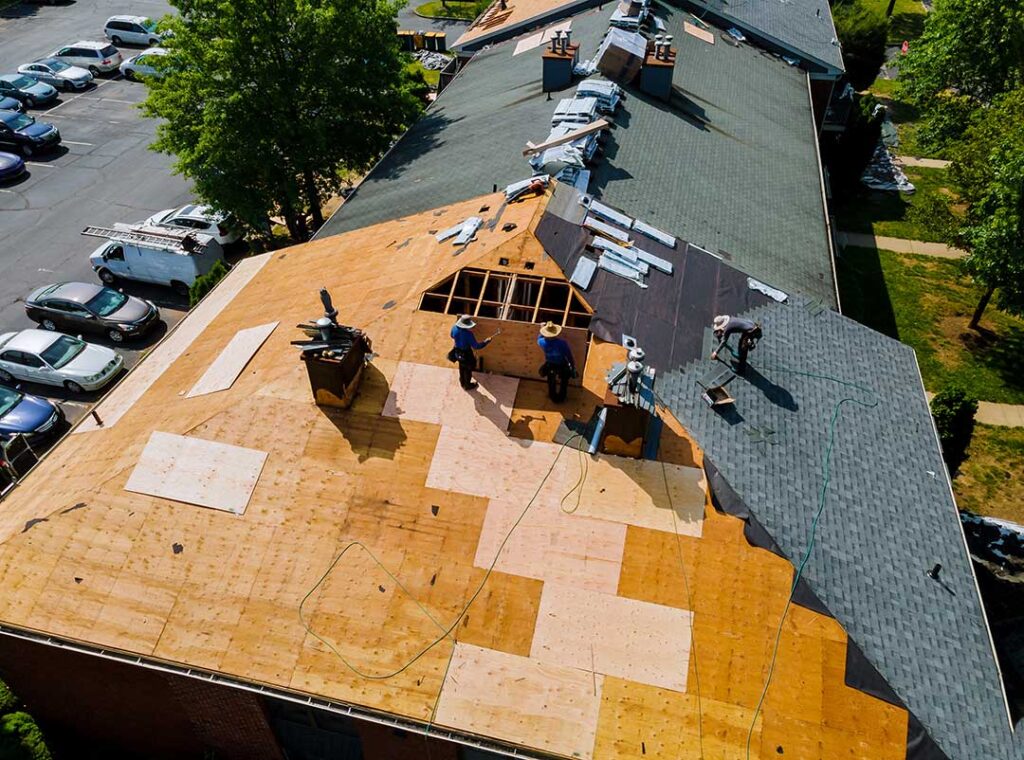
Roof coatings are liquid-applied materials designed to create a continuous protective layer over an existing roof surface. They can reduce water intrusion, reflect sunlight, seal minor surface imperfections, and extend the useful life of some low-slope roofing systems.
They are not a universal replacement for a new roof. A coating cannot correct widespread rot, unstable decking, major leaks, poor drainage, or a roof covering that has already failed. For households in Greene, NY, the most suitable application depends on the roof type, moisture conditions, slope, age, and the way the roof handles snow, ice, and seasonal temperature changes.
What exactly is a roof coating?
A roof coating is spread, rolled, or sprayed over a prepared roof surface. After curing, it forms a membrane or protective film. Common coating categories include acrylic, silicone, asphalt-based, polyurethane, and elastomeric products.
The right product depends on the existing roof material and the problem being addressed. Some coatings are designed mainly for reflectivity, while others are intended to improve water resistance or protect a roof from ultraviolet exposure.
Roof coatings are most commonly associated with:
- Low-slope or nearly flat roofs
- Metal roof panels
- Modified bitumen and built-up roofing
- Single-ply membrane systems
- Some commercial or accessory-building roofs
- Certain sound asphalt roof surfaces, when specifically approved
A coating is different from roof cement or a patching compound. It is applied across a broader area to create a protective surface, rather than being used only around a single seam, fastener, or flashing.
What are the main advantages?
The biggest advantage is that a coating may extend the service life of a roof that is aging but still fundamentally sound. Instead of removing the existing roof covering immediately, a compatible coating can protect the surface from weather exposure and slow further deterioration.
Other potential benefits include:
Better water resistance
A continuous coating can cover small surface cracks, seams, and pinholes. This may reduce minor leakage on roofs where the underlying structure and drainage system remain in good condition.
The coating must be applied over a properly prepared surface. Dirt, loose material, trapped moisture, rust, and open gaps around penetrations can prevent the coating from bonding or sealing effectively.
Reduced heat absorption
Light-colored and reflective coatings can reduce the amount of solar heat absorbed by a roof. This can make the roof surface cooler during sunny weather and may reduce heat transfer into upper rooms or unconditioned attic areas.
The energy benefit is usually more noticeable on low-slope roofs with large exposed areas. It may be limited on steep, shaded, heavily insulated, or mostly snow-covered roofs.
Less disruption than a tear-off
A coating project generally produces less debris than removing the entire roof. It may also avoid some of the noise, hauling, and exposure of the roof deck that occur during a full replacement.
That does not mean preparation is unnecessary. Surface cleaning, repairs, seam treatment, and drying time are often essential parts of the work.
Protection from weathering
Coatings can protect roofing materials from ultraviolet radiation, repeated wetting and drying, and some forms of surface oxidation. On metal roofing, the coating may help protect against corrosion when rust is limited and the surface is properly prepared.
For local roofs exposed to winter moisture, freeze-thaw cycling, wind-driven rain, and snow accumulation, keeping water out of vulnerable seams and penetrations can be useful. However, a coating does not eliminate the stresses caused by ice movement or snow loads.
What are the disadvantages?
The most common mistake is treating a roof coating as a cure for structural or widespread roofing failure. A coating is only as reliable as the roof beneath it.
It cannot repair serious roof damage
Coating is usually a poor solution when the roof has:
- Soft or rotted decking
- Sagging areas
- Extensive blistering or bubbling
- Large open seams
- Repeated leaks in many locations
- Saturated insulation
- Severe corrosion
- Missing or badly damaged roof coverings
- Persistent standing water
Applying a waterproof layer over wet materials can trap moisture. Over time, that hidden moisture may contribute to deterioration, odors, mold growth, or premature failure.
It may hide developing problems
A smooth new surface can make a roof appear substantially newer without addressing problems below the coating. Leaks may continue at flashing, roof edges, skylights, chimneys, vents, or wall connections.
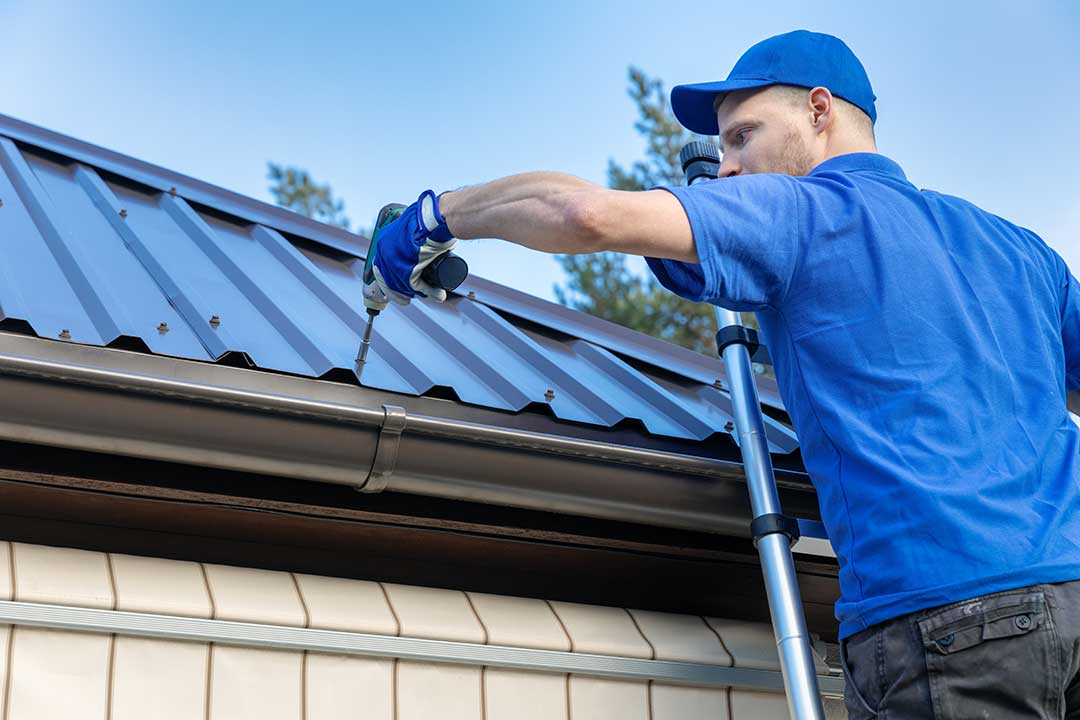
Future inspections can also become more difficult if the coating covers evidence of earlier repairs or conceals the condition of the original roofing materials.
Compatibility is a serious issue
Not every coating works with every roof. Some products may not adhere properly to aged membranes, oily surfaces, loose granules, or certain metal finishes. Coating asphalt shingles without approval for that specific roof system can create moisture-related problems and may affect manufacturer coverage.
The product label should identify acceptable substrates, preparation requirements, temperature limits, curing conditions, and whether multiple coats are required.
Weather limits can affect application
Roof coatings need suitable conditions to cure properly. Cold temperatures, high humidity, rain, dew, wind, and damp roof surfaces can interfere with adhesion and drying.
That matters in Greene, where spring and fall weather can change quickly and winter conditions make many coating products unsuitable. A coating applied too late in the season may not cure fully before prolonged cold or moisture arrives.
Maintenance does not end after application
A coated roof still requires inspection. Seams, drains, flashing, fasteners, edges, and areas around penetrations can fail even when the broad roof surface remains intact.
Ponding water is especially concerning. A coating may improve water resistance, but it will not correct a roof that lacks adequate drainage or has blocked drains and gutters.
Are roof coatings appropriate for asphalt shingles?
Sometimes, but caution is needed. Most asphalt shingle roofs are designed to shed water through overlapping courses and exposed granules. A coating can change how the shingles release moisture, absorb heat, and move during temperature changes.
Coating shingles may also cover granules, affect appearance, interfere with ventilation details, and trap moisture within the roof assembly. Unless the shingle manufacturer specifically permits the product and the roof is suitable, coating is generally not the first option for an aging shingle roof.
A roof with widespread granule loss, curling, cracking, exposed underlayment, or repeated leakage usually needs a more thorough evaluation rather than a surface treatment.
Is a coated roof allowed under New York requirements?
New York’s residential code includes provisions for roof coatings and requires approved materials to be installed according to applicable standards and manufacturer instructions. Local permit requirements can vary depending on the building type, scope of work, and whether structural repairs or changes to the roof assembly are involved.
A coating does not automatically make an unsafe or failed roof compliant. Drainage, fire performance, structural capacity, roof edges, flashing, and other requirements may still apply.
How can a homeowner judge whether coating is worth considering?
Start with the condition of the existing roof, not the advertised life extension of a coating. Useful questions include:
- Is the roof covering generally intact?
- Is water draining rather than collecting in low areas?
- Are leaks isolated and traceable?
- Is the roof dry beneath the surface?
- Are flashing and penetrations serviceable?
- Is the roof material compatible with the proposed coating?
- Can the coating cure during a suitable weather window?
- Will the treatment preserve access for future repairs?
If the answer to several of these questions is no, coating may only postpone a larger repair while increasing the difficulty of finding the underlying problem.
For homes and outbuildings in the community, roof coatings make the most sense as a maintenance or life-extension measure on a sound, compatible roof. They make less sense as a way to cover structural damage, eliminate major drainage problems, or avoid necessary replacement indefinitely.
