
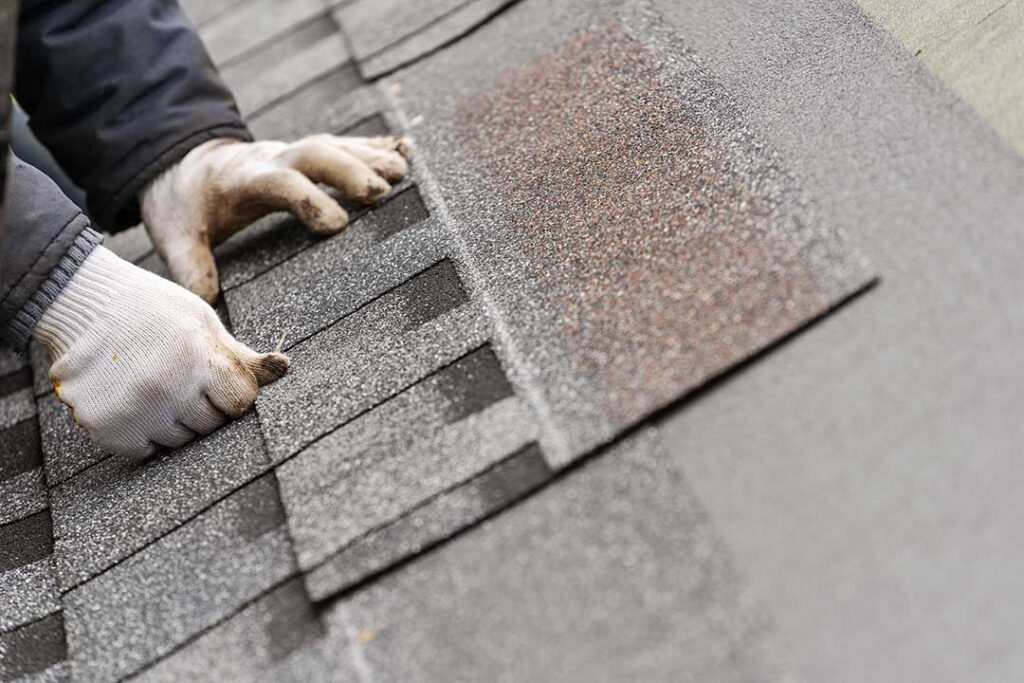
Does a roof need to be replaced just because it is old?
Not necessarily. Age is useful context, but it does not determine a roof’s condition by itself. A roof that is 15 years old may still be performing well, while a newer roof may have problems caused by poor ventilation, storm damage, installation defects, or repeated moisture exposure.
Inspection should focus on observable conditions such as:
- Missing, cracked, curling, or loose shingles
- Water stains on ceilings or upper walls
- Damp insulation or musty attic odors
- Sagging roof lines or roof decking
- Excessive granule loss in gutters
- Damaged flashing around chimneys, vents, skylights, and wall intersections
- Daylight visible through the roof deck
In Greene, NY, seasonal changes can be hard on roofing materials. Snow, ice, wind, freeze-thaw cycles, and summer heat can gradually weaken vulnerable areas. A roof’s age matters, but its maintenance history and current condition matter just as much.
Are all roof leaks easy to find?
No. The visible stain inside a house may be several feet away from the actual entry point. Water can travel along rafters, roof decking, insulation, or framing before it appears on a ceiling.
A leak near a bathroom fan, chimney, dormer, or roof-to-wall connection may originate from damaged flashing rather than from the shingles directly above the stain. Ice-related water backup can also enter at the lower edge of a roof and travel inward.
A small stain should not be dismissed simply because it dries out. Intermittent leaks may occur only during wind-driven rain, heavy snow, or rapid melting. Moisture that remains hidden can contribute to mold, wood deterioration, and insulation damage.
Is a small roof leak harmless?
A small leak can still cause significant damage over time. Water may soak insulation, weaken roof decking, stain finished surfaces, or damage electrical components before the problem becomes obvious indoors.
The size of the ceiling stain is not a reliable measure of the seriousness of the leak. A narrow opening around flashing can allow repeated moisture entry during many storms. If water is actively entering, place a container beneath the drip, move vulnerable belongings, and avoid touching wet electrical fixtures or wiring.
Roof surfaces can become slippery and unstable, especially after rain, frost, or snow. Climbing onto a roof to investigate a leak creates a separate fall hazard.
Does a new layer of shingles always solve roofing problems?
No. Adding another layer may cover worn materials temporarily, but it does not correct damaged decking, inadequate ventilation, deteriorated flashing, or concealed moisture.
A new surface installed over an uneven or weakened base may have a shorter service life. Multiple layers can also add weight and make future repairs more difficult. Whether another layer is allowed depends on local requirements, roof design, existing materials, and the condition of the underlying roof.
A roof covering should not be treated as a substitute for evaluating the complete roof assembly. Shingles, underlayment, flashing, ventilation, decking, and supporting structure all affect performance.
Does more attic insulation prevent every winter roofing problem?
No. Insulation reduces heat transfer, but it does not replace proper attic ventilation or air sealing. Warm air escaping from living areas can raise attic temperatures and contribute to uneven snow melt. Water may then refreeze near colder roof edges, creating ice buildup and possible backup beneath roofing materials.
A sound attic system usually depends on several connected details:
- Adequate insulation at the ceiling level
- Air sealing around openings for lights, plumbing, wiring, and attic access
- Proper intake ventilation near the roof edge
- Exhaust ventilation designed for the roof and attic layout
- No blocked ventilation channels
Ventilation must be balanced. Adding an exhaust vent without enough intake air may not improve performance and can sometimes disrupt the intended airflow.
Can gutters prevent ice dams?
Gutters are necessary for directing runoff away from walls and foundations, but they do not prevent ice dams by themselves. Ice dams form when melting snow refreezes near colder roof edges. Clogged gutters can worsen drainage, but a clean gutter system cannot correct heat loss or uneven roof temperatures.
Helpful maintenance includes removing leaves and sediment, checking downspouts, securing loose sections, and confirming that water drains away from the building. During winter, avoid chopping ice aggressively with tools because shingles, flashing, and gutters can be damaged.
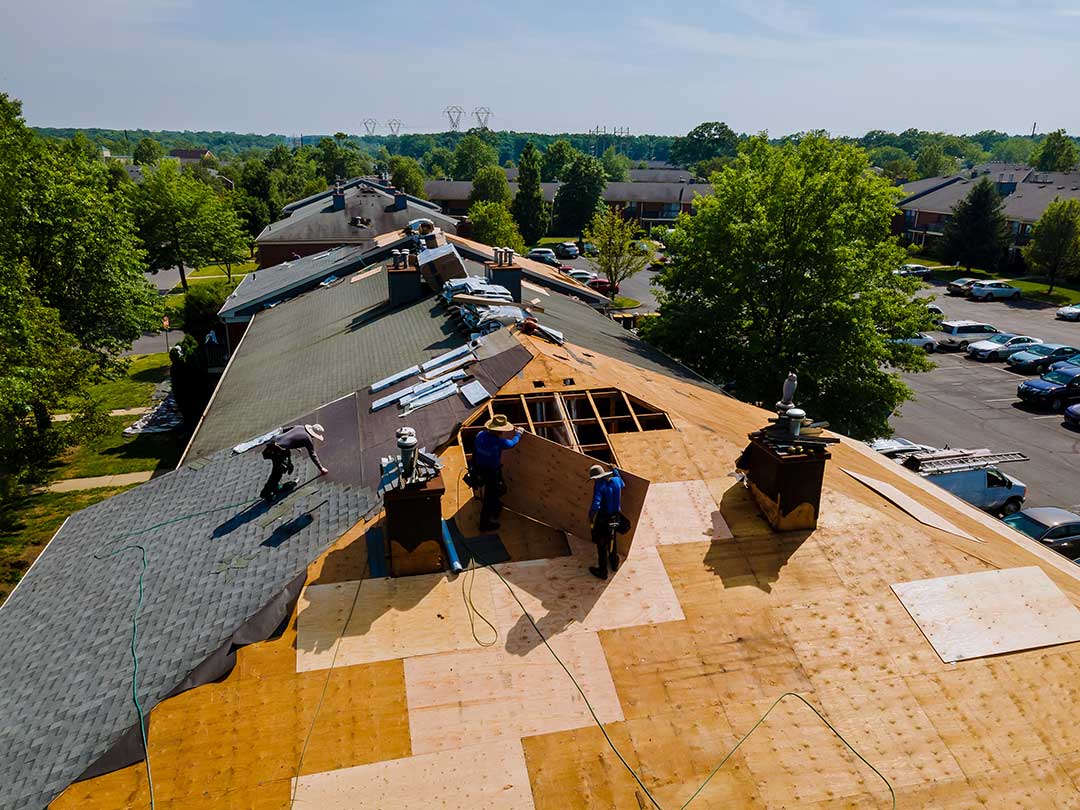
Snow removal from a roof may also be hazardous. Heavy snow, drifting, and ice can place substantial loads on the structure, particularly on older buildings, additions, porches, and low-slope sections.
Does every roof need to be completely replaced after a storm?
No. Storm damage can be limited to specific shingles, flashing, vents, gutters, or edge details. A full replacement is not automatically required after high winds, hail, or falling branches.
Damage may be difficult to see from the ground. Warning signs include:
- Shingles that are lifted, creased, or missing
- Exposed underlayment
- Dented metal flashing or vents
- Broken skylight components
- Fresh granules or shingle pieces in gutters
- Tree limbs rubbing against the roof
- New leaks after a storm
After severe weather, photographs taken from the ground can document visible changes without creating a climbing risk. Temporary coverings may reduce water entry, but they are not a permanent repair.
Are roofing materials maintenance-free once installed?
No roofing material is maintenance-free. Even durable systems require periodic observation and basic upkeep.
Maintenance does not mean walking on the roof frequently. A safer approach is to inspect from the ground, attic, and accessible roof edges when conditions are dry and stable. Look for blocked gutters, damaged vent caps, fallen branches, moss or algae growth, exposed metal, and deteriorated sealant.
Branches that scrape roofing materials can remove protective granules. Leaves trapped in valleys can hold moisture against shingles. Debris around chimneys and roof-to-wall areas can hide defects. Routine attention can identify developing problems before water reaches the interior.
Is moss only a cosmetic issue?
Moss is not always an emergency, but heavy growth should not be ignored. Moss can retain moisture and gradually lift or displace shingles, especially on shaded roof slopes. It may also conceal cracked materials or damaged flashing.
Removing moss with a pressure washer can strip protective granules and shorten shingle life. Aggressive scraping can produce similar damage. The underlying cause—often shade, persistent moisture, or poor drainage—also needs consideration if growth repeatedly returns.
Can any roofer or homeowner repair a roof safely?
Roof work has real fall, electrical, structural, and weather-related hazards. Some ground-level maintenance is reasonable for a careful homeowner, such as observing roof conditions, cleaning accessible gutters from a stable setup, or trimming branches away from the building. Walking on steep, wet, icy, or damaged roofing is not a low-risk task.
Repairs involving structural damage, active interior leaks, suspected electrical contact, unstable surfaces, or extensive storm damage require particular caution. Local building requirements may also apply when roofing work changes materials, structure, ventilation, or the number of roof layers.
Understanding these misconceptions helps residents evaluate roofing problems more accurately. A roof should be judged by its condition, drainage, ventilation, flashing, structure, and exposure to local weather—not by age, appearance, or a single visible symptom.
