
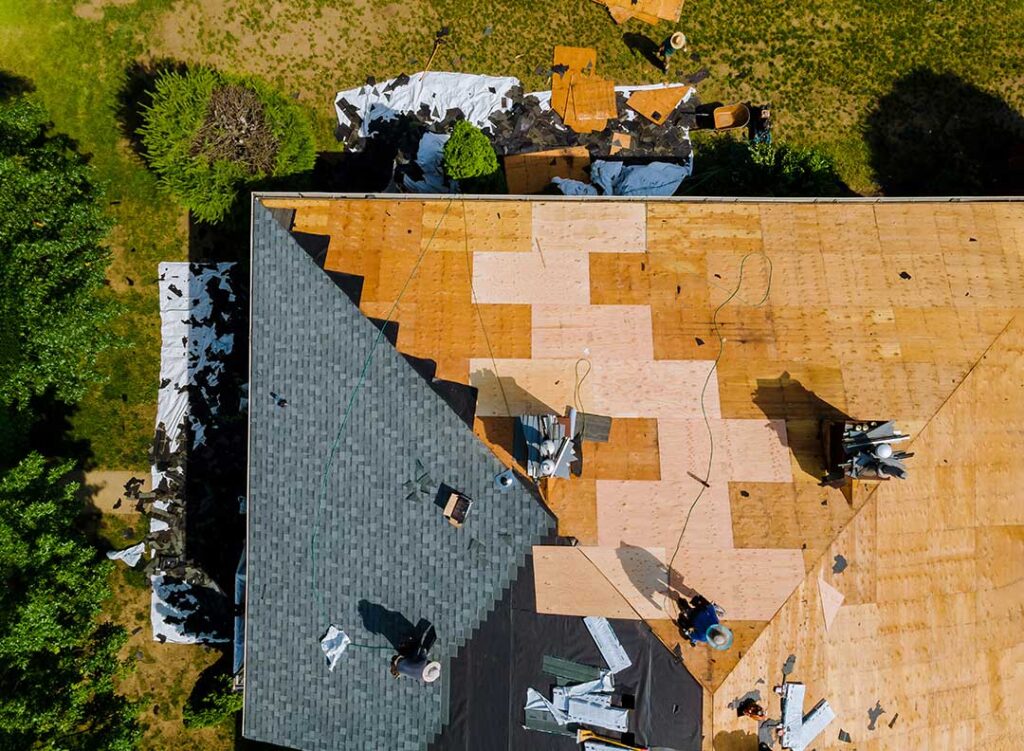
How does sunlight affect a roof?
Sunlight gradually changes roofing materials through heat, ultraviolet radiation, and repeated daily temperature swings. In Greene, NY, a roof may face strong summer sun, humid conditions, winter cold, and snow cover within the same year, so deterioration is usually the result of many seasons rather than one unusually hot day.
The effects are often subtle at first. A roof may still appear serviceable while its surface becomes more brittle, less flexible, or more vulnerable to wind and moisture. Understanding these changes helps residents recognize ordinary aging before it develops into leaking or structural damage.
What does ultraviolet radiation do to roofing materials?
Ultraviolet, or UV, radiation breaks down the chemical compounds that help roofing materials remain flexible and weather-resistant. Asphalt shingles are especially affected because the asphalt coating and protective surface materials gradually lose some of their original resilience.
Common signs of UV-related aging include:
- Faded or uneven color
- Dry, rough-looking shingle surfaces
- Cracking along the shingle tabs
- Curling or lifting edges
- Granules collecting in gutters or near downspouts
- Exposed fiberglass or darker asphalt beneath worn areas
Color change alone does not prove that a roof has failed. Some fading is cosmetic, while other changes indicate that the protective surface is being lost. The more meaningful question is whether the shingles remain intact, flat, and securely attached.
Why does the roof get damaged by heat if it is designed to sit in the sun?
Roofing systems are built to tolerate outdoor heat, but repeated heating and cooling still create movement. A roof surface expands as it warms and contracts as it cools. Over many years, this movement can place stress on shingles, underlayment, flashing, sealants, and roof penetrations.
Dark-colored roofing materials generally become hotter in direct sunlight than lighter-colored materials. However, color is only one factor. Roof pitch, ventilation, shade, insulation, attic airflow, and the material itself also affect surface and attic temperatures.
A roof with limited shade may heat up every day during summer. A roof shaded by trees may remain cooler but can dry more slowly after rain or collect organic debris. Neither condition is automatically better; each creates different maintenance concerns.
Can sun exposure cause shingles to curl or crack?
Yes. Prolonged exposure can contribute to curling, cracking, and loss of flexibility, especially when combined with age, poor ventilation, manufacturing defects, wind, or repeated freeze-thaw cycles.
Curling may begin at the corners or lower edges of individual shingles. Cracks may appear as short splits, long lines, or small surface fractures. Some cracks are primarily cosmetic, while others allow water to move beneath the shingle layer.
Sun damage is often more severe on roof sections that face the strongest daily exposure. In the Northern Hemisphere, southern and western slopes commonly receive substantial afternoon sunlight, though nearby buildings, trees, roof angles, and seasonal sun position can change the pattern.
A roof that looks uneven from the ground may have several causes, including heat-related aging, wind damage, installation problems, or moisture beneath the shingles. Visual appearance is useful for identifying areas that deserve closer attention, but it does not always reveal the source of the problem.
Does sun exposure damage roof flashing and sealants?
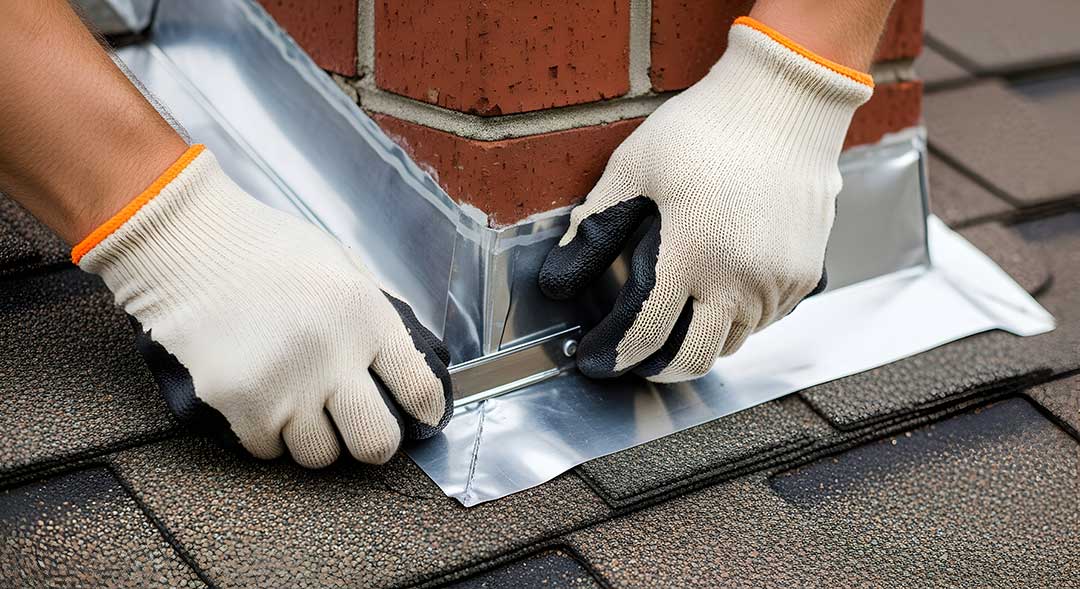
It can. Flashing around chimneys, vents, skylights, walls, and roof edges depends on durable connections and weather-resistant sealants. Sunlight can dry and shrink some sealants over time, leaving gaps or brittle edges.
Metal flashing may also expand and contract as temperatures change. This movement is normal, but aging joints and fasteners may eventually loosen or separate. Water entry often begins at these details rather than in the middle of an otherwise intact shingle field.
Areas that deserve attention include:
- Flashing around roof penetrations
- Seams where a roof meets a wall
- Valleys where two roof sections meet
- Pipe boots and vent collars
- Drip edges and exposed fasteners
- Sealant lines that are cracked, separated, or missing
Because these locations can be difficult to see safely, inspections should not involve walking on a steep, wet, icy, or visibly damaged roof.
How does attic ventilation affect sun-related roof wear?
Adequate attic ventilation helps release heat and moisture from the space beneath the roof deck. It does not prevent sun exposure, but it can reduce the amount of heat retained in the roofing system and help limit moisture-related problems.
Poor ventilation may contribute to:
- Excessively hot attic conditions
- Premature aging of shingles
- Condensation during cold weather
- Damp insulation
- Mold or wood decay
- Ice dams under certain winter conditions
Ventilation works best when intake and exhaust paths are balanced and not blocked by insulation or debris. Adding a vent without addressing blocked airflow may not solve the underlying issue. Attic temperature alone is also not a complete measure of roof health; the condition of the roof deck, insulation, and moisture control matters as well.
Does shade protect a roof?
Shade can reduce direct UV exposure and lower surface temperatures, which may slow certain types of material aging. A roof beneath partial shade may therefore experience less heat stress than a fully exposed roof.
However, shade can introduce other problems. Overhanging branches may scrape shingles during wind, drop leaves and twigs, or allow moss and algae to remain damp. Dense vegetation can also make it harder to notice small defects from the ground.
The useful goal is not to keep every roof completely shaded. It is to maintain enough clearance to reduce physical abrasion and debris while allowing the roof and nearby surfaces to dry normally.
Are some roof colors or materials more resistant to sunlight?
Roofing materials differ in how they respond to UV radiation and heat. Reflective surfaces generally absorb less solar energy than very dark surfaces, while some products are manufactured with coatings or additives intended to improve weather resistance.
Still, no roof covering is immune to sunlight. Installation quality, attic conditions, drainage, roof slope, and exposure to wind and moisture often have as much influence on service life as color.
Residents comparing roofing options should look beyond appearance and ask whether the material is suited to local weather patterns, how it performs in cold conditions, and what maintenance the entire roof system requires. The shingles are only one part of that system.
What can residents look for from the ground?
A ground-level check can identify changes without creating fall risks. Look for missing or displaced shingles, uneven roof lines, dark patches, excessive granules in gutters, and sections that appear noticeably different from the rest of the roof.
Inside the home, watch for signs that may be connected to roof deterioration:
- Water stains on ceilings or upper walls
- Peeling paint near roof edges
- Damp insulation in the attic
- Musty odors after rainfall
- Daylight visible through the roof deck
- Unexplained increases in attic moisture
These signs do not always identify the exact cause. Plumbing leaks, condensation, ice dams, and roof leaks can produce similar symptoms. Prompt attention is especially appropriate when water is entering living spaces, electrical fixtures, or insulation.
How can sun-related roof wear be reduced?
Basic maintenance cannot stop aging, but it can help prevent sun-related deterioration from becoming a larger problem. Keep gutters and drainage paths clear, remove debris that stays wet against the roofing surface, and monitor branches that could rub against the roof.
It is also useful to keep records of visible changes over time. Comparing photographs taken from the same safe location can reveal gradual curling, discoloration, or surface loss that may otherwise be overlooked.
For Greene, NY households, roof care should account for the full seasonal cycle: intense summer exposure, autumn debris, winter snow and ice, and spring moisture. Sunlight is only one part of roof aging, but it often accelerates weaknesses created by ventilation problems, moisture, wind, or deferred maintenance.
If a roof has severe cracking, widespread curling, active leakage, or damage near a chimney or electrical equipment, avoiding roof access is the safest choice. A qualified inspection may be necessary to determine whether repair, improved ventilation, or broader replacement is appropriate.
