
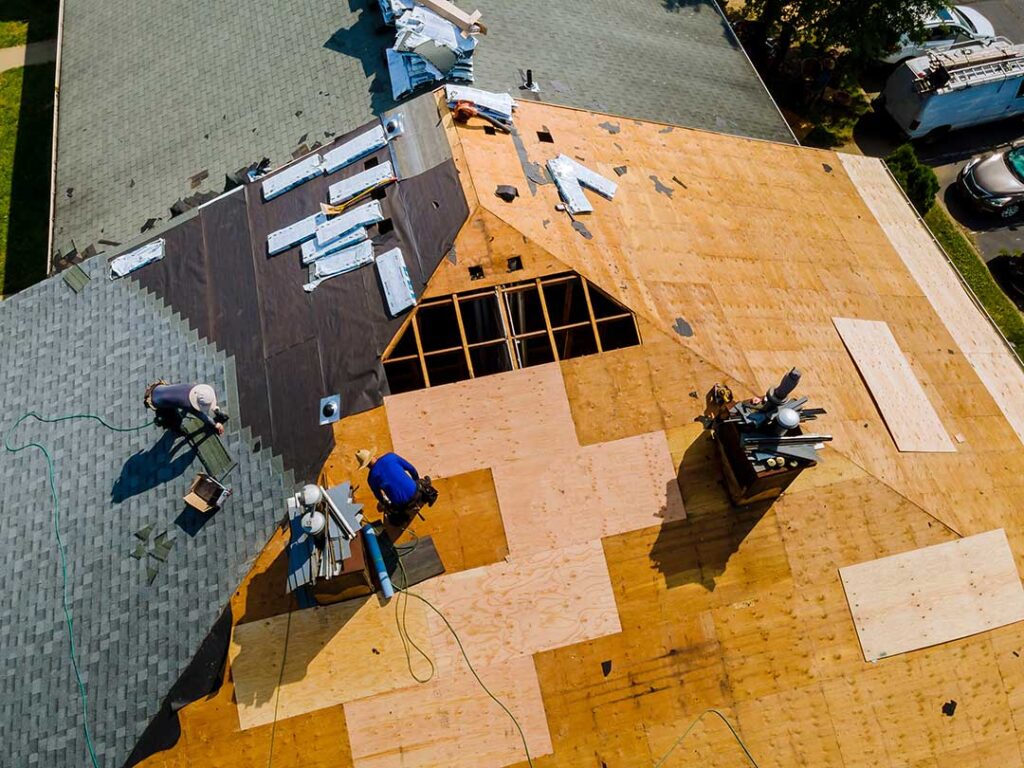
Walking on a roof is riskier than it may appear. Roof surfaces can be steep, brittle, slippery, or weakened by moisture and age. For most homeowners, the safest approach is to inspect the roof from the ground or use a ladder only to reach a low, stable edge without stepping onto the roof surface.
Is it safe for a homeowner to walk on a roof?
It can be safe only under limited conditions, but many residential roofs are not suitable for casual foot traffic. A low-slope roof with a dry, sound surface presents less risk than a steep roof covered with asphalt shingles, metal panels, moss, frost, or snow. Even a roof that looks level can have hidden weak areas around vents, skylights, valleys, chimneys, and roof edges.
Before considering access, ask:
- Is the roof completely dry and free of frost, snow, ice, and loose debris?
- Is the slope shallow enough to maintain balance without climbing?
- Is there a stable, unobstructed path?
- Are there no signs of sagging, soft spots, damaged decking, or loose roofing materials?
- Can the task be completed from the ground or from a properly positioned ladder?
If any answer is uncertain, staying off the roof is the safer choice. Falls from residential roofs can cause severe injury even when the height appears modest.
Which roof surfaces are safest to walk on?
The surface type affects both traction and the possibility of damage. Asphalt shingles are designed primarily to shed water, not to serve as a walking surface. Foot traffic can loosen granules, bend shingle edges, break seals, or damage older shingles that have become brittle from age and weather.
Metal roofing can be especially hazardous because it becomes slippery with dew, frost, rain, or light snow. It may also have concealed seams, fasteners, or areas that flex under weight. Slate, clay tile, concrete tile, and older wood roofing can crack or break under a person’s weight.
A flat or low-slope roof may seem easier to walk on, but it still may contain fragile coverings, membrane seams, drainage areas, or concealed openings. Never assume a flat roof is structurally suitable for foot traffic.
If access is unavoidable, step only on areas known to be supported by framing or designated walk pads. Avoid skylights and translucent panels entirely. They can look solid while failing under very little weight.
How should someone prepare before stepping onto a roof?
Preparation reduces preventable mistakes. Choose a clear, calm day with good visibility. In Greene, seasonal changes can produce wet leaves, freezing temperatures, frost, snow, and rapid thawing. A roof that was dry in the afternoon may become slick after sunset.
Wear footwear with clean, slip-resistant soles. Avoid worn shoes, smooth-soled sneakers, sandals, and loose footwear. Keep both hands available for balance, and do not carry bulky tools while climbing.
Inspect the roof and surrounding area from the ground first. Look for:
- Sagging sections or uneven roof lines
- Missing, curled, cracked, or loose shingles
- Ice buildup or snowdrifts
- Wet leaves, moss, algae, or other slippery growth
- Exposed nails, wires, branches, or debris
- Nearby electrical lines
- Damaged gutters or unstable roof edges
Do not walk on a roof during rain, freezing drizzle, high wind, active snowfall, or thawing conditions. Moisture can make roofing materials slick, while wind can affect balance and move ladders or loose materials.
What is the safest way to use a ladder for roof access?
A ladder should stand on firm, level ground and should not rest on gutters, loose soil, ice, or an unstable surface. It must be positioned so that the climbing angle is secure and the top cannot slide sideways. The ladder should extend sufficiently above the landing area to provide a stable handhold when stepping off or returning.
Keep three points of contact while climbing: two hands and one foot, or two feet and one hand. Face the ladder, climb slowly, and avoid leaning far to either side. A helper can stabilize the ladder, but a person should not stand beneath it as a substitute for proper setup.
Never place a ladder on top of a roof, scaffold, box, vehicle, or other elevated surface to gain additional height. Do not move or extend a ladder while standing on it.
Reaching the roof edge does not mean the roof itself is safe to enter. The transition from ladder to roof is one of the more hazardous moments because balance can be lost while turning, stepping around the gutter, or moving over an uneven edge.
How can someone move across a roof more safely?
If a qualified person must access a dry, stable roof, movement should be slow and deliberate. Face the slope when climbing or descending rather than walking sideways or turning quickly. Keep the center of the body low, take short steps, and avoid sudden shifts in weight.
Place each foot carefully before transferring full weight. Avoid stepping on shingle edges, ridge caps, valleys, flashing, gutters, or areas that appear discolored or depressed. Do not jump across gaps or step over roof openings.
Keep tools organized so they cannot roll or slide. Loose equipment can create tripping hazards and may fall from the roof, endangering people below. Establish a clear area on the ground and keep children, pets, and bystanders away from the drop zone.
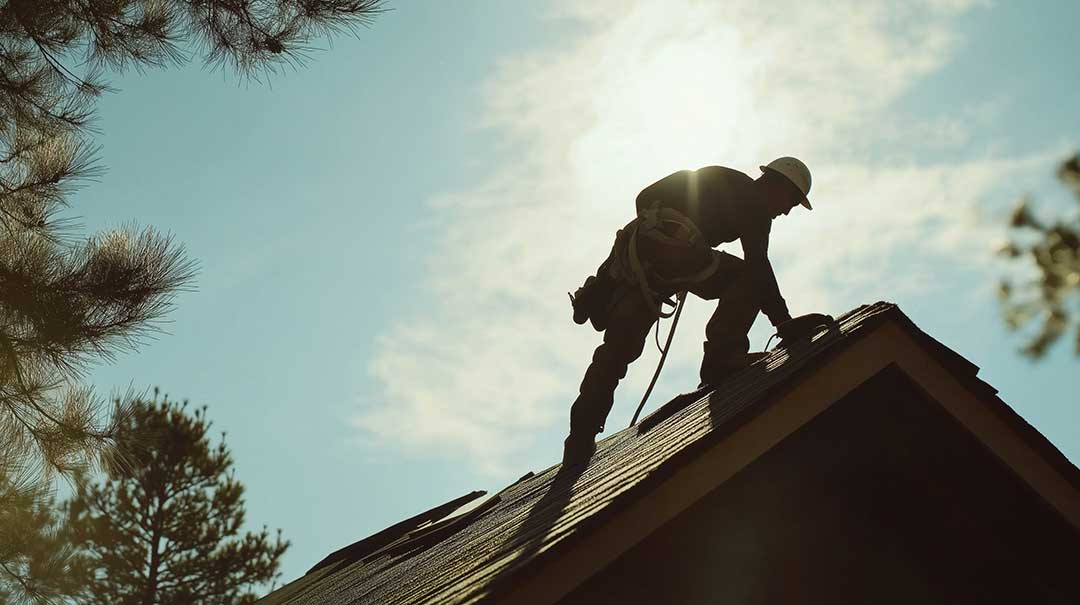
A roof harness and rope system can reduce fall risk, but only when the anchor, equipment, connection points, and rescue plan are appropriate for the roof. Tying a rope to a chimney, vent pipe, gutter, or improvised object is not a dependable fall-protection system. Fall-protection equipment also requires correct fitting and training.
When should no one walk on the roof?
Do not walk on a roof if it is wet, icy, snow-covered, heavily frosted, steep, damaged, or visibly sagging. Snow can conceal weak spots and roof openings. Ice buildup may also signal drainage or ice-dam conditions that make the roof and eaves hazardous.
After a major snow or ice event, avoid climbing onto the roof to remove accumulated material. Snow loads can affect structural members, and roof removal work introduces additional risks from slips, falling snow, hidden ice, and overloaded ladders. Keep clear of areas where snow or ice could fall unexpectedly.
Stay off roofs with visible structural damage, fire damage, water intrusion, extensive moss, or loose roofing materials. A ceiling stain, sagging interior ceiling, or newly developed roof dip may indicate a problem that should not be investigated by walking above it.
What are safer alternatives to walking on the roof?
Many routine observations can be made from the ground with binoculars or a camera zoom. Attic inspection can sometimes reveal roof leaks, daylight through the sheathing, wet insulation, or damaged framing without requiring roof access.
For gutter or edge observations, use a properly positioned ladder only when the ground is stable and the task can be completed without stepping onto the roof. Do not stretch beyond the ladder’s safe reach.
Roof access becomes a serious safety matter when the roof is high, steep, fragile, snow-covered, or damaged. In those conditions, avoiding the surface is not excessive caution; it is the appropriate safety decision.
