
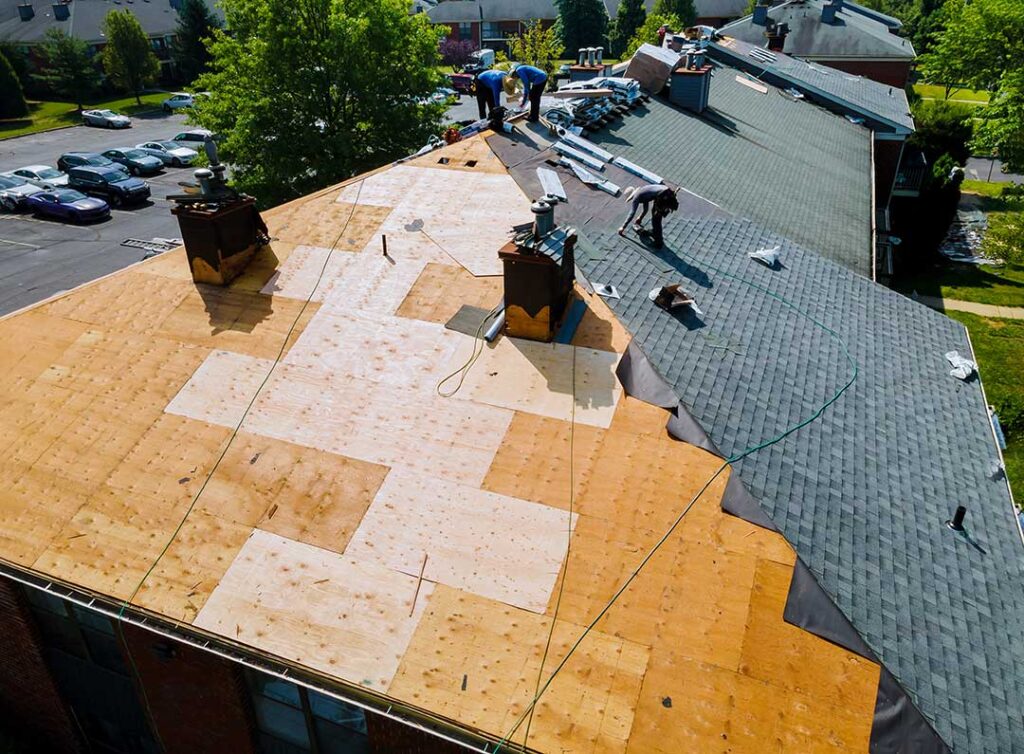
Roof penetrations are any places where an object passes through the roof plane, such as plumbing vents, exhaust fans, chimneys, skylights, antenna mounts, satellite supports, and flue pipes. These locations deserve special attention because they interrupt the roof’s continuous drainage surface.
A proper seal does more than cover a gap with caulk. It combines flashing, compatible underlayment, mechanical fastening, and carefully layered materials so rain, melting snow, and ice are directed away from the opening rather than behind it.
Why are roof penetrations so vulnerable to leaks?
Roof penetrations are vulnerable because water naturally collects around changes in slope, raised edges, fasteners, and joints. Wind can also push rain uphill against flashing or beneath roofing materials.
In Greene, NY, freeze-thaw cycles add another concern. Water that enters a small opening can freeze, expand, and gradually loosen flashing or roofing materials. Snow accumulation may also keep moisture against a penetration longer than a brief rainstorm would.
A leak may not appear directly below the penetration. Water can travel along roof decking, rafters, insulation, or framing before staining a ceiling or wall. That is why the visible location of interior damage does not always identify the source.
What materials are used to seal a roof penetration?
The correct materials depend on the roof covering and the type of penetration, but most properly sealed assemblies include:
- A flashing component designed for the penetration
- Roofing underlayment or a self-adhering waterproof membrane
- Roofing material installed in overlapping layers
- Compatible fasteners
- A sealant used only where the design calls for it
- Counterflashing or a flange when required by the penetration type
Flashing is the primary water-management component. Sealant is usually a secondary defense, not a substitute for flashing. A thick bead of caulk around a pipe may hide a problem temporarily, but it cannot reliably redirect water moving downhill or resist movement caused by temperature changes.
Materials should be compatible with one another. Some sealants can soften roofing membranes, corrode metal, or fail when exposed to ultraviolet light. The roofing and flashing manufacturers’ installation instructions should be followed, particularly for low-slope roofs, metal roofing, synthetic membranes, and specialty penetrations.
How should a plumbing vent or exhaust vent be sealed?
A plumbing vent or exhaust vent is normally sealed with a manufactured flashing boot or flange that fits around the pipe and beneath the surrounding roofing layers.
The general installation sequence is:
1. Remove enough roofing material to expose the area around the penetration.
2. Inspect the roof deck for rot, delamination, or damaged fasteners.
3. Install the lower portion of the flashing so water flows onto it from above.
4. Slide the upper roofing courses over the flashing according to the roofing system’s required overlap.
5. Place the flashing boot or flange around the pipe and secure it as specified.
6. Install the upper roofing material so it sheds water over the flashing rather than behind it.
7. Apply a compatible sealant only at designated joints, fasteners, or exposed edges.
On shingle roofs, the lower part of the flashing is generally placed over the shingles below the penetration, while the upper portion is integrated beneath shingles above it. This shingle-style layering allows water to continue moving downhill.
A vent boot that has cracked from age, become brittle, or pulled away from the pipe usually needs replacement rather than additional caulk.
How does self-adhering membrane help?
A self-adhering waterproof membrane can reinforce the area around a penetration and help seal the roof deck and underlayment. It is commonly installed beneath the flashing and surrounding roofing materials.
The membrane should be cut and layered so that the lower, downslope section is installed first. Side pieces overlap the lower section, and the upper piece overlaps the side and lower sections. This arrangement follows the same basic principle as roof shingles: upper layers shed water over lower layers.
The membrane should lie flat without wrinkles, fishmouths, or open corners. The roof deck must be clean and dry enough for the adhesive to bond. Dust, frost, sawdust, and damp surfaces can weaken adhesion.
A membrane patch placed only on top of old roofing may not solve the problem if water is already entering beneath the surrounding materials. For an existing leak, the underlying flashing and roof layers may need to be inspected rather than covered.
How are chimneys and wide penetrations handled?
Chimneys and wide roof penetrations require more than a simple collar. They typically need base flashing, step flashing along the sides, and counterflashing that directs water over the lower flashing.
If a chimney or other penetration is wide enough to obstruct water moving down the roof, a cricket or saddle may be needed on the upslope side. This small raised structure divides the water and directs it around the obstruction instead of allowing snow, leaves, and ice to collect behind it.
Mortar joints, masonry cracks, and deteriorated counterflashing can also allow water to enter. Sealing the roof-to-masonry joint without correcting damaged flashing may leave the actual drainage problem unresolved.
What is different about skylights?
Skylights rely on a complete flashing system, not simply sealant around the frame. The flashing must be integrated with the roof underlayment and roofing material on all four sides.
The lower edge is especially important because it receives water from the slope above. The upper edge must be detailed so water cannot run behind the skylight curb or frame. Some skylight systems require a separate underlayment collar or membrane.
A skylight that leaks only during wind-driven rain may have a flashing or membrane problem rather than a failed glass seal. Condensation on the interior frame can look similar to a roof leak, so the surrounding attic and interior humidity should also be considered.
Can roof sealant fix a leaking penetration?

Sealant can address a small, clearly identified joint, but it is not a reliable repair for missing, damaged, or incorrectly layered flashing.
Common short-lived repairs include:
- Smearing caulk over the top of a deteriorated vent boot
- Coating exposed fastener heads without checking the flashing
- Filling the gap between shingles and a pipe with roofing cement
- Covering a chimney joint without repairing counterflashing
- Applying a roof coating over wet or unstable materials
These methods may slow water entry briefly, but they often trap moisture or fail as the roof expands and contracts. A proper repair should restore the drainage path first and use sealant only where the assembly requires it.
How can homeowners inspect roof penetrations safely?
A ground-level inspection can identify obvious warning signs without walking on the roof. Look for:
- Missing, lifted, or cracked roofing near vents and skylights
- Rusted or bent metal flashing
- Split rubber or plastic vent boots
- Sealant that is cracked, loose, or pulling away
- Water stains near ceilings, walls, or attic framing
- Damp insulation or musty odors in the attic
- Granules or roofing fragments collecting around downspouts
Roof access becomes hazardous during wet weather, snow, ice, high winds, or steep-slope conditions. Chimneys, flue pipes, electrical equipment, and areas with structural damage require particular caution. Repairs involving combustion vents, fire-rated assemblies, structural deterioration, or extensive hidden moisture should be handled by someone qualified for that work.
New work and significant roof alterations may also be subject to New York State building requirements and local enforcement procedures. The applicable code can depend on the roof type, building use, penetration, and scope of the work.
How often should penetrations be checked?
Roof penetrations should be reviewed at least once a year and after major wind, ice, or snow events. They are especially worth checking before winter, when brittle boots, loose flashing, and open joints can become more difficult to repair.
Regular inspection does not prevent every leak, but it can reveal deterioration before water reaches insulation, ceilings, wall cavities, or structural framing. The most dependable roof penetration is not the one with the most sealant; it is the one with a continuous, properly layered drainage system.
