

A new roof can improve a home’s marketability, protect its condition, and reduce concerns for buyers, but it does not automatically increase the sale price by the full cost of the project. Its effect on value depends on the roof’s prior condition, the quality of the replacement, the home’s overall condition, and local buyer expectations.
Does a new roof increase home value?
Usually, a new roof supports home value by removing a major maintenance concern. Buyers often view roofing as a high-cost, essential system rather than a decorative feature. A roof that is nearing the end of its service life may lead buyers to request a price reduction, ask for repairs, or walk away from a purchase.
A newer roof can help in several ways:
- It improves the home’s overall condition during showings and inspections.
- It reduces the likelihood of leaks, water damage, and emergency repairs.
- It may make the home easier to finance or insure, depending on the roof’s age and condition.
- It gives buyers more confidence that major expenses will not arrive immediately after closing.
- It can help a home compare favorably with similar properties that still have aging roofing.
The financial return is rarely dollar-for-dollar. A roof replacement is often partly a value-preservation project: it protects the value of the structure rather than creating the same kind of premium as a new kitchen, additional living space, or a major architectural improvement.
Why does roof condition matter so much to buyers?
Roof problems can affect more than the shingles visible from the ground. A failing roof may allow moisture into the attic, insulation, ceilings, wall cavities, and framing. Even when interior damage is not obvious, buyers and inspectors may identify warning signs such as staining, soft decking, poor ventilation, deteriorated flashing, or repeated patching.
An older roof can also create uncertainty. Buyers may not know whether it has two years of useful life remaining or whether a significant leak is approaching. That uncertainty often affects negotiations.
A roof in good condition creates a clearer picture. Buyers can focus on the home’s layout, location, energy performance, and other features instead of calculating the cost and timing of a major replacement.
Is a new roof more valuable than a roof repair?
Not always. A full replacement may add more practical value when the existing roof is near the end of its service life, has widespread damage, or has already required repeated repairs. If the roof has many sound years remaining and the problem is limited to flashing, ventilation, a small leak, or isolated storm damage, a well-documented repair may be more financially sensible.
The key question is not simply whether the roof is new. It is whether the roof is dependable and whether its remaining life is reasonable for the home’s age and price.
For example, a recently repaired roof with sound decking and several years of expected service may be viewed more favorably than a low-cost replacement that leaves underlying moisture or ventilation problems unresolved.
How does a roof replacement affect an appraisal?
An appraisal considers the home’s overall condition and how it compares with similar properties. A new roof may support the appraiser’s assessment, especially if nearby comparable homes have older or visibly worn roofing. However, appraisers do not generally add the exact replacement cost to the home’s value.
The effect is often indirect. A new roof may:
- Prevent a condition-related adjustment.
- Help the home compare well with recently updated properties.
- Reduce the chance that deferred maintenance will lower the opinion of value.
- Support a smoother transaction if the roof is documented and permitted properly.
A roof alone cannot overcome issues such as poor drainage, outdated electrical systems, structural concerns, or extensive interior deterioration. Value is based on the property as a whole.
What matters more: appearance or performance?
Performance matters more, although appearance still influences first impressions. A roof with clean installation lines, consistent materials, properly finished edges, and sound flashing can make the home appear well maintained. But cosmetic improvement has limited value if the roof lacks proper drainage or ventilation.
Important performance factors include:
- The condition of roof decking beneath the covering.
- Adequate attic ventilation and insulation.
- Proper flashing around chimneys, wall intersections, skylights, and roof penetrations.
- Secure drainage through gutters and downspouts.
- Correct installation for the roof’s slope and materials.
- Protection against wind, heavy rain, freeze-thaw cycles, and winter snow.
In Greene, seasonal weather makes water management especially important. Ice, snow, spring rain, and repeated temperature changes can expose weaknesses in flashing, drainage, and attic ventilation. A roof replacement that addresses those supporting systems may protect value more effectively than one that simply covers visible shingles.
Does roofing material affect resale value?
Material can influence buyer perception, durability, maintenance expectations, and cost. Asphalt shingles are common and familiar to many buyers. Metal roofing may appeal to homeowners looking for long service life and certain weather-related advantages, but the installation must be appropriate for the home’s design and local conditions.
More expensive materials do not automatically produce a higher resale price. Buyers generally respond best to roofing that is:
- Appropriate for the structure.
- Properly installed.
- Visually compatible with the home.
- Supported by clear records.
- Reasonable for the surrounding housing market.
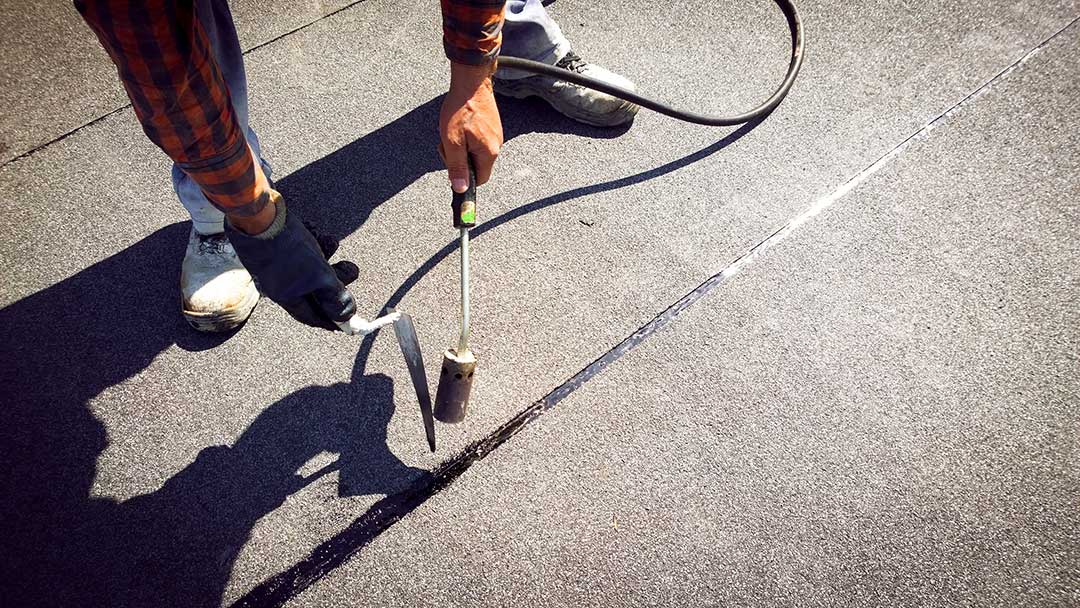
An unusual or highly customized roof may appeal to some buyers while limiting the audience for others. A practical, durable replacement that fits the neighborhood often provides more dependable value than an expensive upgrade chosen mainly for appearance.
Should a homeowner replace the roof before selling?
Replacing a roof shortly before selling can make sense when the existing roof is visibly failing, has active leaks, or is likely to become an obstacle during inspection. It may also help avoid price concessions that exceed the cost of completing the work before listing.
However, replacing a roof solely to chase a guaranteed return is less predictable. The decision should consider:
- The roof’s remaining useful life.
- Evidence of active or past leaks.
- The home’s expected listing price.
- Comparable properties with similar roof conditions.
- The time available before marketing the home.
- Whether other repairs would have a greater effect on buyer confidence.
In some cases, a seller may be better served by correcting known defects, documenting the roof’s condition, and being transparent about its age rather than installing a replacement that does not align with the rest of the property.
What records help demonstrate a roof’s value?
Documentation can make a new roof easier for buyers, inspectors, appraisers, and insurers to evaluate. Useful records may include:
- The installation date.
- Material and underlayment information.
- Permit records where required.
- Photos showing the roof before, during, and after installation.
- Documentation of repaired decking or structural areas.
- Ventilation details.
- Transferable manufacturer or workmanship documents, when applicable.
- Maintenance and inspection records.
For properties in Greene, roofing work may require local permit approval. Keeping the permit and final inspection information with the home’s records can help prevent questions later in the sale process.
How long does a new roof add value?
A new roof contributes the most value when it is still relatively early in its service life and remains well maintained. Its benefit gradually shifts from “new feature” to “reliable existing component.” That does not mean an older roof has no value; it means buyers will evaluate it based on remaining life, condition, and evidence of proper maintenance.
A roof that is ten years old but clean, properly ventilated, and free of known defects may be more valuable than a five-year-old roof with poor drainage or recurring leaks.
The practical measure is not the installation date alone. It is whether the roof protects the home, meets applicable requirements, and gives the next owner a reasonable expectation of dependable service.
