
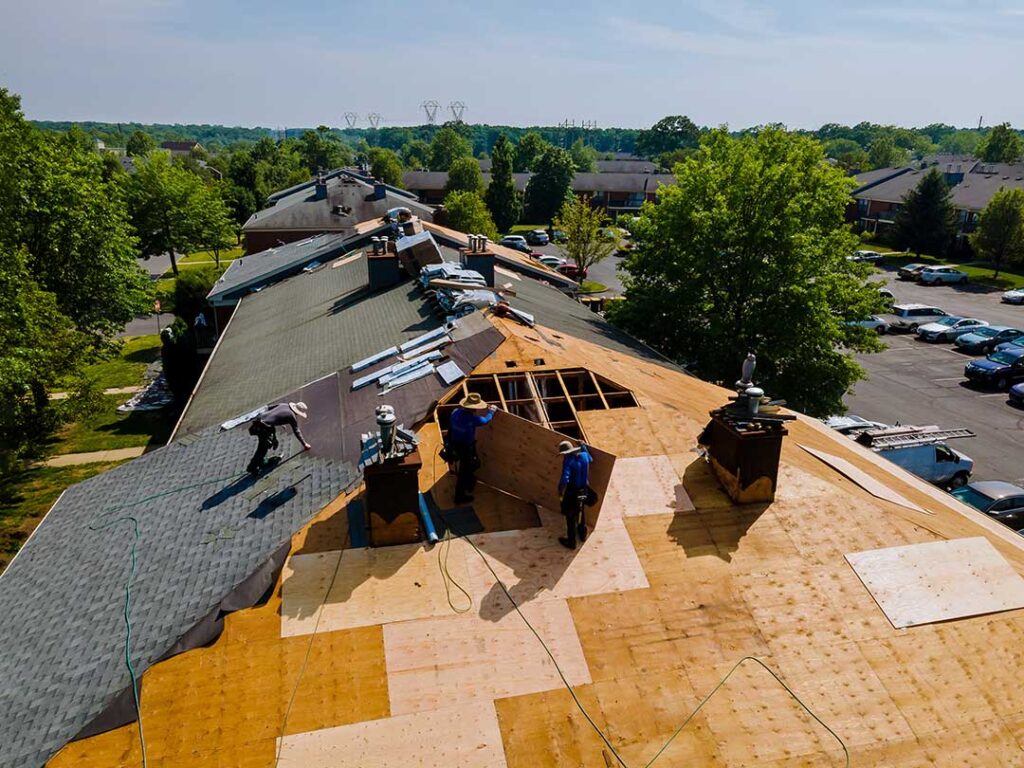
A roof cricket is a small, peaked structure built on the uphill side of a chimney or another wide roof penetration. Its job is to split and redirect rainwater, melting snow, and debris so they flow around the obstruction instead of collecting behind it.
For homes in Greene, NY, this detail can be especially useful because roofs must handle repeated cycles of snow, freezing temperatures, ice, spring rain, and falling leaves. A cricket is not decorative. It is a drainage feature that helps protect one of the most vulnerable areas of a roof.
What exactly is a roof cricket?
A roof cricket, sometimes called a chimney saddle, is a raised triangular or wedge-shaped section of roofing located on the ridge side of a chimney. It creates two sloping drainage paths, allowing water to move around both sides of the chimney.
Without a cricket, a wide chimney interrupts the natural downhill flow of water. Rain and melting snow can gather against the uphill wall, where the roof, chimney masonry, and flashing meet. That area is often called the back of the chimney.
A typical cricket includes:
- Framing that forms a small peaked shape
- Sheathing beneath the roofing material
- Underlayment for secondary water protection
- Flashing where the cricket meets the chimney
- Roofing material that blends with the surrounding roof
The cricket ridge usually runs toward the chimney, while its slopes direct water to the left and right.
Why does a chimney need one?
A chimney creates a dam on the roof. The wider the chimney, the more water and snow it can hold against its uphill side.
This can lead to several problems:
- Water may remain trapped near the chimney
- Snow can accumulate in a deep drift
- Ice can form along the uphill edge
- Leaves and small branches may collect in the same area
- Flashing may be exposed to prolonged moisture
- Roofing materials may deteriorate faster than surrounding areas
A cricket changes the shape of the roof so water does not have to push directly into the chimney. Instead, the raised structure divides the flow and sends it around the obstruction.
The cricket itself does not make a roof waterproof. Its performance depends on properly installed flashing, underlayment, shingles or other roof covering, and sound chimney masonry.
Is a roof cricket required by building code?
In many residential code situations, a cricket or saddle is required on the ridge side of a chimney or similar penetration that is more than 30 inches wide, measured across the roof slope. The requirement generally applies when the chimney does not extend through the roof ridge.
New York residential code provisions include requirements for chimney crickets, including their construction and flashing. Exact requirements can depend on the roof design, the type of penetration, the applicable code edition, and local permit enforcement.
The 30-inch measurement is not the only consideration. A smaller chimney can still create a serious drainage problem if it sits in a difficult location, such as a low-slope roof, a roof valley, or an area where snow tends to drift.
Code minimums should not be confused with a guarantee that a particular roof detail will perform well. The shape, size, slope, materials, and flashing all matter.
How is a cricket different from flashing?
A cricket and flashing serve related but different purposes.
A cricket changes the roof’s shape to move water around a chimney. Flashing seals the joints where different materials meet, such as roofing and masonry.
A chimney may have:
- Base flashing installed where the chimney meets the roof
- Step flashing along the sides
- Counterflashing set into or attached to the masonry
- Head flashing along the uphill side
- Cricket flashing around the raised drainage structure
A roof can have flashing but still lack a cricket. In that situation, the flashing may be asked to protect an area where water and snow continue to collect. If the chimney is wide, damaged flashing may be a symptom of poor drainage rather than the only problem.
Does a cricket help with snow and ice?
Yes, a properly designed cricket can help reduce snow and ice buildup behind a chimney, but it does not eliminate winter-related roof hazards.
In the Greene area, snow may remain on a roof for extended periods and then melt during daytime warming. Water can refreeze when temperatures drop at night. If the uphill side of a chimney holds snow and meltwater, the flashing and nearby roofing may face repeated wetting and freezing.
A cricket helps by:
- Reducing the flat or trapped area behind the chimney
- Dividing snowmelt into two drainage paths
- Limiting the amount of debris held against the chimney
- Helping water reach the lower roof more efficiently
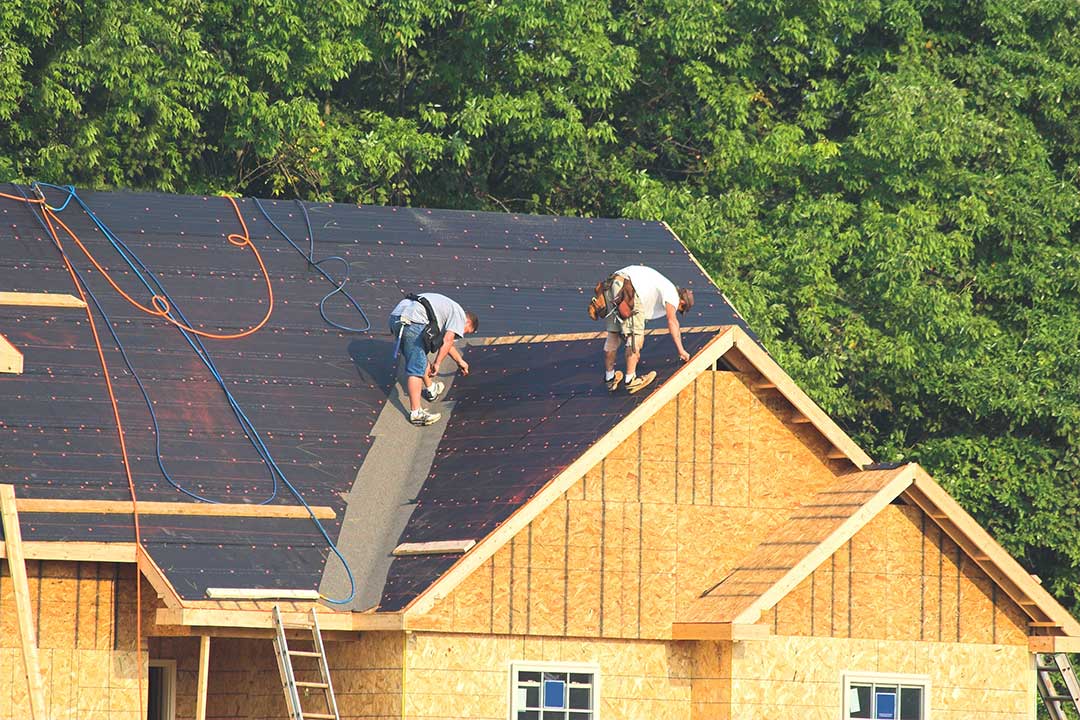
The cricket must still be covered and flashed correctly. Gaps, exposed fasteners, cracked sealant, or poorly fitted metal can allow water into the roof assembly.
What are signs that a chimney may need a cricket?
A homeowner may notice clues from inside or outside the house. Common warning signs include:
- Water stains on the ceiling near the chimney
- Damp attic insulation around the chimney opening
- Peeling paint or damaged plaster on an upper wall
- Rusted or stained chimney flashing
- Shingles that curl, blister, or lose their surface near the chimney
- Moss or organic debris collecting behind the chimney
- Repeated leaks that appear after heavy rain or melting snow
- Ice buildup concentrated on the uphill side of the chimney
Not every chimney leak means a cricket is missing. The problem may involve cracked mortar, deteriorated flashing, a damaged chimney cap, roof aging, or condensation in the attic.
The location and timing of the leak provide useful clues, but water can travel along roof framing before appearing inside. A ceiling stain may not be directly below the actual entry point.
Can a cricket be added to an existing roof?
A cricket can often be added during reroofing or as part of a more extensive chimney and roof repair. The work usually involves removing roofing around the chimney, building the raised structure, tying it into the roof framing, installing underlayment and flashing, and replacing the roof covering.
Adding one to an existing roof is more involved than applying sealant around the chimney. The roof covering must be integrated with the new cricket so water flows continuously from the upper roof, around the structure, and down the lower roof.
The chimney masonry should also be checked. Flashing cannot reliably compensate for loose mortar joints, cracked brick, or a chimney that is leaning or settling.
What should homeowners look for during a roof inspection?
A safe ground-level inspection can reveal whether the area deserves closer attention. Look for:
- A raised, peaked structure behind a broad chimney
- Metal flashing that appears continuous rather than patched
- Roofing material that lies flat around the cricket
- No visible gaps between flashing and masonry
- No large piles of leaves, branches, or roof granules behind the chimney
- No sagging or soft-looking roof areas
Roof surfaces become slippery when wet, icy, or covered with loose granules. Climbing onto a roof to inspect a chimney cricket can create a fall hazard, particularly during winter or after rain.
A cricket is a relatively small roof feature, but it addresses a major drainage weakness. By redirecting water and reducing snow accumulation behind a chimney, it helps protect the flashing, roof deck, insulation, and interior finishes from recurring moisture problems.
