
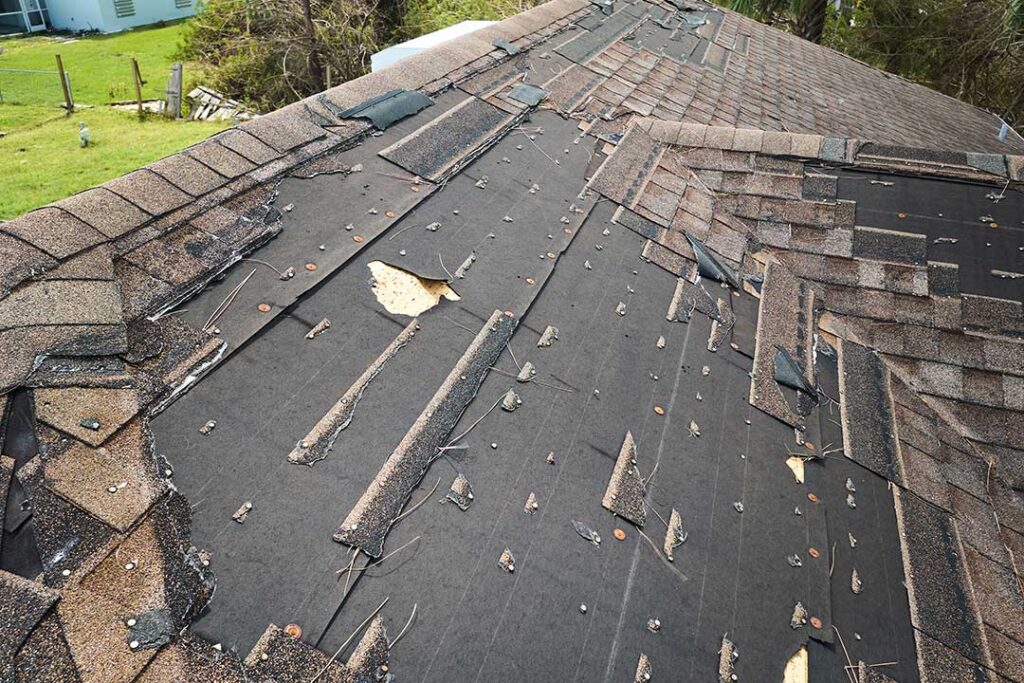
Renovations can expose a roof to damage even when the project does not involve roofing work. Removing siding, adding an addition, replacing windows, installing solar equipment, or opening an attic can create paths for water, loose materials, tools, and foot traffic to affect the roof system.
In Greene, NY, renovation planning should account for changing weather, freeze-thaw cycles, wind, rain, snow, and the age of many existing homes. A roof that appears sound from the ground may still be vulnerable once construction begins nearby.
Which renovation activities can damage a roof?
Any project that changes the exterior or upper parts of a house can create roofing risks. Common examples include:
- Replacing siding or trim near the roofline
- Installing or removing chimneys, vents, skylights, or antennas
- Building an addition, porch, dormer, or second-story space
- Replacing windows below steep roof slopes
- Opening attic walls or ceilings
- Installing electrical wiring, ventilation, or plumbing through roof areas
- Moving ladders, scaffolding, dumpsters, or lifted materials near the eaves
- Using power tools that produce heat, sparks, dust, or flying debris
The danger is not limited to visible punctures. Shingles may be cracked by foot traffic, flashing may be bent, gutters may be pulled loose, and underlayment may be exposed at a seam. Small defects can allow water into roof decking, insulation, wall cavities, or finished ceilings.
How should the roof be inspected before work begins?
A pre-renovation inspection creates a useful record of the roof’s condition. The inspection should document shingles, metal edges, flashing, valleys, vents, chimneys, gutters, downspouts, and areas where the roof meets walls.
Photographs are especially helpful. Take clear pictures from the ground and, when safe, from accessible attic spaces. Record existing:
- Missing, lifted, curled, or cracked shingles
- Rusted or separated flashing
- Sagging gutters or loose downspouts
- Water stains on attic sheathing or ceilings
- Soft or deteriorated roof decking
- Moss, ice-damage evidence, or areas with recurring leaks
This documentation helps distinguish pre-existing problems from damage caused during construction. It also identifies weak areas that may not tolerate ladders, temporary platforms, or stored materials.
A roof inspection should not involve walking on steep, wet, icy, or fragile surfaces. Fall hazards and concealed roof damage can make a seemingly simple inspection unsafe.
How can workers protect shingles and flashing?
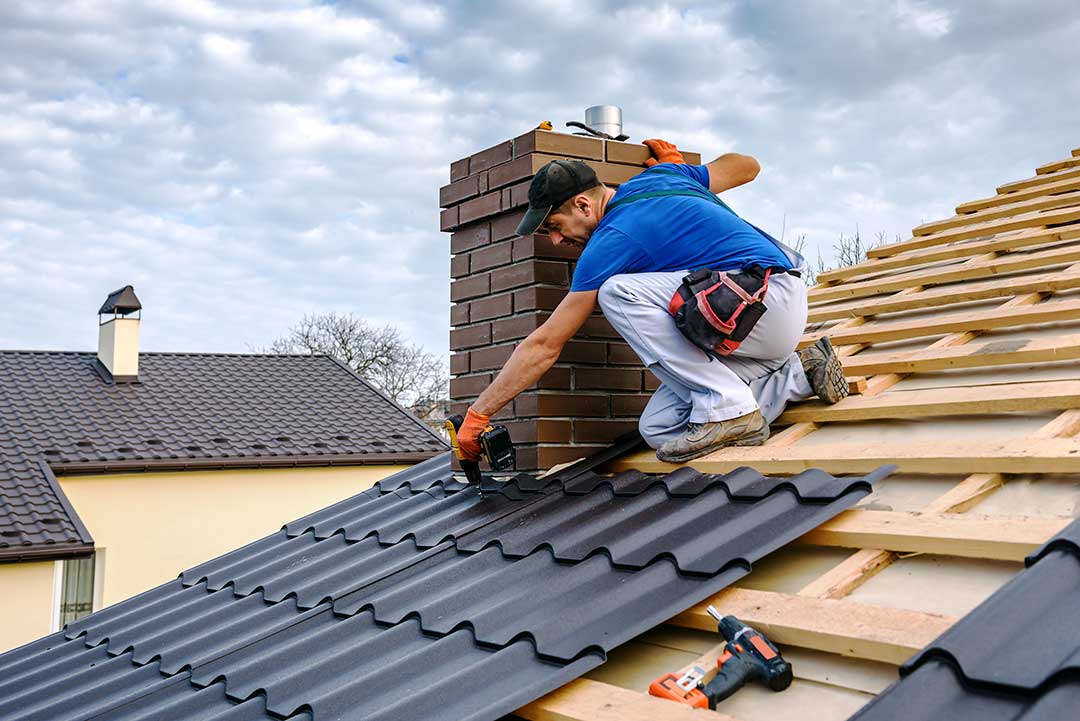
The roof should be treated as a finished weather barrier, not a convenient work platform. Workers should avoid walking on it unless access is necessary and appropriate protection is in place.
Useful precautions include:
- Keep ladders from resting directly against gutters, drip edges, or fragile shingles.
- Use ladder stabilizers or other equipment designed to distribute pressure safely.
- Place temporary walk boards or approved protective coverings where repeated access is unavoidable.
- Do not drag lumber, siding, tools, or metal across the roof.
- Keep fasteners, cutoffs, and broken materials out of valleys and gutters.
- Protect exposed flashing from bending, impact, and sealant damage.
- Remove protective coverings before they trap moisture or interfere with drainage.
Plastic tarps can help during short periods of work, but they are not automatically a safe long-term roof covering. If a tarp is poorly secured, wind can lift it, damage shingles, or send water underneath. Tarps should never block drainage paths or cover active vents.
What should happen if the roof is opened during renovation?
Any opening in the roof should be closed or temporarily weatherproofed before the work area is left unattended. This includes openings for skylights, vents, chimneys, plumbing, wiring, and additions.
Temporary protection should:
- Extend beyond the opening far enough to direct water onto the existing roof surface
- Be secured against wind without creating new punctures
- Preserve drainage into valleys, gutters, and downspouts
- Prevent snow, rain, and wind-driven debris from entering the building
- Be checked after heavy rain, strong wind, and freeze-thaw conditions
A roof opening that seems protected during mild weather may fail during a storm. In the colder months, water that enters an opening can freeze, expand, and worsen gaps around flashing or sheathing.
Construction should be planned so exposed areas are not left open overnight unless temporary weather protection is reliable and regularly monitored.
How can homeowners prevent water damage inside the house?
Roof protection should continue inside the building. Renovation crews and homeowners should monitor attic spaces, ceilings, upper walls, and rooms below the work area.
Before construction, identify the location of:
- Attic access panels
- Electrical wiring
- Plumbing lines
- Heating and ventilation equipment
- Ceiling fixtures
- Existing water stains
After rain or snow, look for new dampness, discoloration, dripping, musty odors, or changes in insulation. Water may travel along rafters or roof decking and appear several feet away from the original entry point.
If a leak develops, protect furniture and flooring, but avoid placing weight on sagging ceilings. A bulging ceiling can indicate trapped water and may fail without warning. Electrical fixtures that become wet should not be used until the affected area is made safe.
How should materials and debris be managed?
Construction materials should not be stacked on the roof unless the roof structure and the loading plan have been specifically evaluated. Concentrated piles of shingles, lumber, tile, or equipment can overload roof framing or damage the surface beneath them.
Materials stored near the house should be kept away from:
- Gutters and downspouts
- Roof edges
- Drainage paths
- Exterior vents
- Areas where wind can lift lightweight debris onto the roof
Nails and metal fragments are a common source of punctures and tire damage. Magnetic sweepers can help collect ferrous fasteners around the work area, although they do not replace a careful visual cleanup.
Dumpsters, lifts, and scaffolding should also be positioned so they do not strike eaves, gutters, siding, or lower roof slopes. Snow, ice, and muddy ground can make equipment placement and access more hazardous than expected.
What seasonal conditions matter in Greene?
Renovation timing affects roof protection. Spring and fall often bring changing temperatures, wind, and periods of heavy rain. Summer heat can soften some roofing materials and make attic spaces dangerously hot. Winter work carries additional risks from snow, ice, frozen sealants, short daylight, and sudden weather changes.
Before beginning exterior work, check whether:
- Rain or snow is expected during the period when the roof may be exposed
- Temporary coverings can withstand wind
- Sealants and membranes can be installed at the current temperature
- Snow and ice have been safely cleared from access areas
- Gutters and downspouts can handle runoff from temporary coverings
Freeze-thaw conditions deserve special attention. Water that enters a small gap and freezes overnight can widen the opening, loosen flashing, or lift roofing materials.
When does roof damage require immediate attention?
Prompt action is warranted when renovation work causes a puncture, displaced flashing, exposed underlayment, missing shingles, a blocked drainage path, or water entering the building. Temporary protection may limit further damage, but it should not conceal an unresolved structural or weatherproofing problem.
Extra caution is necessary if the roof has sagging areas, widespread deterioration, storm damage, or signs of structural weakness. Work that involves steep slopes, fragile roofing, electrical hazards, unstable scaffolding, or significant roof openings may require qualified assistance because the risk involves more than surface damage.
A careful renovation plan protects the roof by controlling access, managing materials, closing openings quickly, monitoring interior spaces, and adapting to local weather. These steps reduce the chance that an improvement project will create an avoidable leak or shorten the life of an otherwise serviceable roof.
