
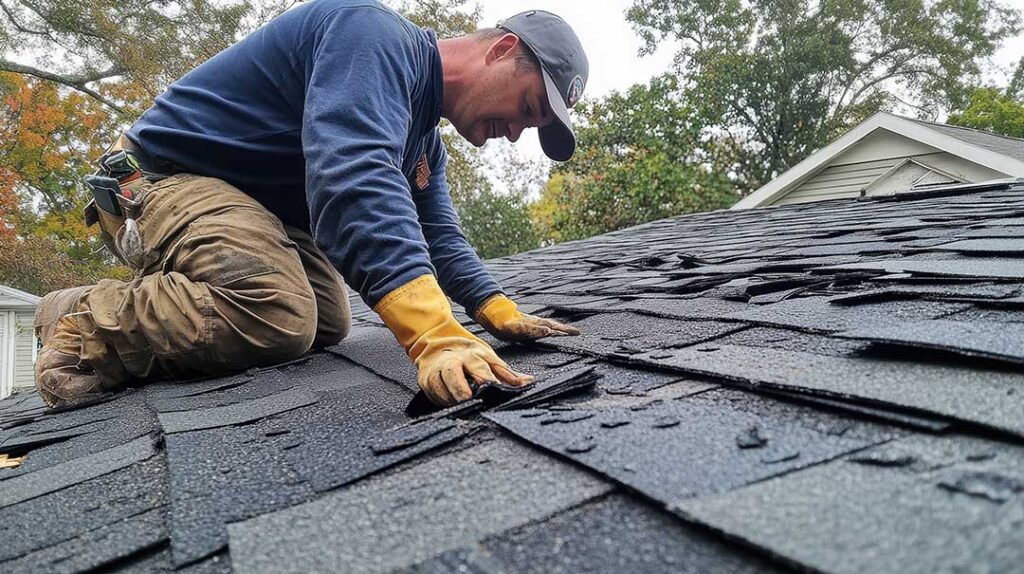
How does sun exposure affect a roof?
Sun exposure gradually breaks down roofing materials through heat, ultraviolet radiation, and repeated expansion and contraction. In Greene, NY, this process can be especially noticeable on roof sections that receive strong afternoon sun while other sections remain shaded by trees or nearby structures.
Sunlight does not usually damage a roof all at once. Instead, it contributes to changes that develop over many seasons. Shingles may lose flexibility, protective granules may loosen, and sealants around roof features can become brittle. The result is a roof that may look acceptable from the ground but has less resistance to wind, rain, ice, and temperature changes.
Why does ultraviolet light damage roofing materials?
Ultraviolet, or UV, radiation affects the chemical structure of many roofing materials. On asphalt shingles, prolonged UV exposure can dry out the asphalt coating and weaken the surface that protects the fiberglass mat beneath.
Common signs of UV-related aging include:
- Faded or uneven shingle color
- Bare or thin-looking areas where granules have worn away
- Cracked, curled, or brittle shingle edges
- Small areas of exposed underlayment or matting
- Shingles that no longer lie flat
A change in color alone does not prove that a roof is failing. Some color variation is normal as materials age. However, fading combined with granule loss, cracking, or curling deserves closer attention.
Does a south-facing roof wear out faster?
Often, yes. Roof slopes that face south or southwest generally receive more direct sunlight over the course of a year. West-facing slopes can also experience significant afternoon heat, especially during summer.
That does not mean every south-facing roof needs earlier replacement. Roof pitch, attic ventilation, tree cover, roofing material, installation quality, and weather exposure all affect service life. A steep roof may shed water and snow more effectively, while a low-slope area may remain damp longer after rain even if it receives substantial sunlight.
A roof can also age unevenly. The sunny side may show fading and granule loss while the shaded side develops moss or algae. This is one reason a roof should be evaluated by slope rather than judged only by its overall appearance.
How does heat from the sun affect shingles?
Solar heating causes roofing materials to expand. At night or during cooler weather, they contract again. This repeated movement places stress on shingles, flashing, sealants, and connections between roofing components.
The effect becomes more significant when a roof has poor ventilation or dark surfaces that absorb more heat. Excessive heat in the roof assembly can contribute to:
- Faster drying and brittleness in asphalt materials
- Deterioration of rubber or plastic components
- Separation or cracking around flashing
- Warping of roof sheathing in severe cases
- Higher attic temperatures and greater cooling demand
Temperature movement is not limited to summer. Spring and fall can bring large differences between daytime sun and nighttime cold. In winter, snow may melt on a sunny roof and refreeze near colder eaves, contributing to ice buildup and water backup.
Can shade protect a roof?
Shade can reduce direct UV exposure and surface temperatures, but permanent shade is not always beneficial. Tree-covered or north-facing roof areas may stay cooler, yet they can remain damp for longer periods after rain, snow, or humid weather.
Persistent shade may encourage:
- Moss growth
- Algae staining
- Lichen development
- Slower drying after precipitation
- Debris accumulation from overhanging branches
Moss can lift or displace shingles, allowing water to move underneath them. Algae staining is usually more cosmetic, but it signals that the roof surface remains moist for extended periods. A balanced roof environment allows adequate sunlight and airflow without exposing the structure to unnecessary heat or falling branches.
What role do trees play near a sunny roof?
Trees can reduce roof temperatures, but branches and leaves create separate maintenance concerns. Overhanging limbs may scrape shingle surfaces in windy weather, while falling branches can cause punctures or impact damage. Leaves and small twigs may collect in valleys, near chimneys, or behind roof features.
For area households, seasonal changes are a practical concern. Spring growth, summer storms, autumn leaf drop, and winter ice can each affect how much sunlight and moisture reach different roof sections.
Vegetation near the roof should be monitored for:
- Branches that rub against shingles
- Limbs that hang over roof valleys
- Debris collecting in drainage areas
- Dark, damp patches that do not dry promptly
- Trees that appear damaged or unstable
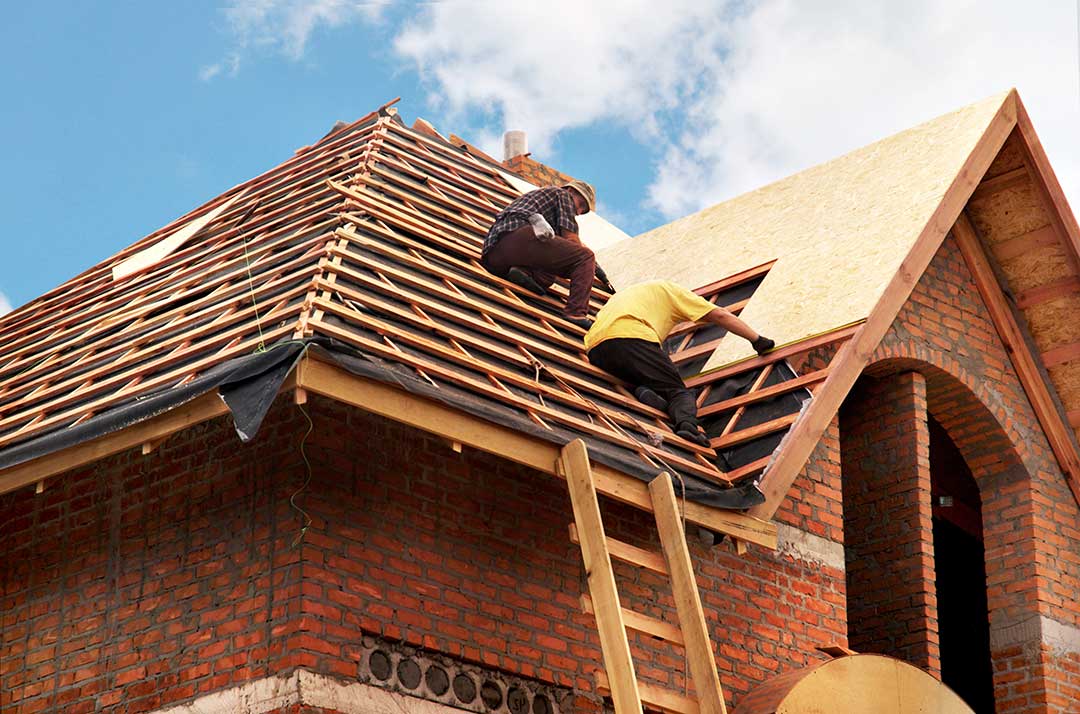
Tree maintenance may involve safety hazards, particularly near steep roofs, utility lines, or large limbs. Those conditions are not suitable for do-it-yourself work.
Can solar panels or rooftop equipment change sun-related wear?
Solar panels can shield the roofing surface beneath them from direct sunlight, but the roof must still be in sound condition before panels are installed. Panels, mounting hardware, and wiring create additional penetrations or attachment points that require proper waterproofing.
The shaded area under a panel may age differently from the exposed area around it. When equipment is removed or repositioned later, the uncovered shingles may show a noticeable difference in color or wear. The condition and expected remaining life of the roof should therefore be considered before adding permanent rooftop equipment.
How can homeowners identify sun damage safely?
A ground-level inspection can reveal early warning signs without requiring anyone to walk on the roof. Use binoculars if needed and compare sunny and shaded slopes from several viewing angles.
Look for:
- Uneven color changes between roof sections
- Shingles with raised or curled corners
- Excessive granules in gutters or downspout outlets
- Cracks around vents, skylights, or chimney flashing
- Exposed nail heads or roofing underlayment
- Sagging areas or visible openings
Granules in gutters do not always mean immediate failure. A small amount can occur as shingles age, while heavy or increasing granule loss may indicate that the protective surface is deteriorating.
Do not walk on a roof that is wet, icy, steep, damaged, or visibly unstable. Falls can occur even on roofs that appear to be in reasonable condition from the ground.
Does roof color affect heat exposure?
Roof color can influence how much solar heat a surface absorbs. Darker materials generally become hotter in direct sun, while lighter surfaces reflect more sunlight. The actual effect depends on the roofing material, ventilation, insulation, roof pitch, and local weather conditions.
Changing roof color is not a substitute for proper attic ventilation or insulation. If upper rooms become unusually hot, the cause may involve air leakage, insufficient insulation, blocked intake vents, or inadequate exhaust ventilation rather than the shingle color alone.
When does sun damage require attention?
Sun-related aging becomes more urgent when it is accompanied by active leaks, missing shingles, widespread curling, exposed roof layers, or deteriorated flashing. Water stains in ceilings or attic spaces should also be investigated promptly because the visible stain may appear far from the actual entry point.
A roof does not need to be replaced merely because one slope has faded. The more useful question is whether the material still protects the building from water and wind. Age, surface condition, ventilation, flashing, drainage, and evidence of leaks should all be considered together.
For Greene, NY homes exposed to strong seasonal swings, routine observation after winter and after major summer storms can reveal changes before minor surface wear becomes a larger roof problem.
