

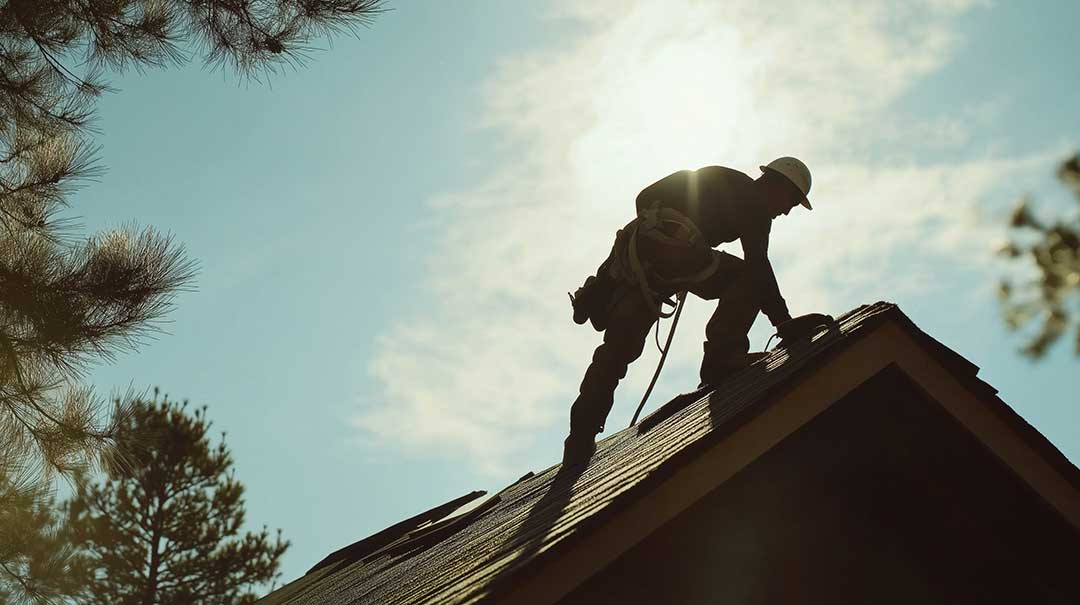
A roof tear-off is the removal of existing roofing materials before a new roof system is installed. For homeowners in Greene, NY, the work usually involves more than taking off shingles: crews must protect the property, inspect the roof deck, manage debris, and account for weather conditions that can change quickly during the roofing season.
Understanding the process makes it easier to plan for noise, temporary access changes, cleanup, and possible repairs discovered after the old roof is removed.
What happens before the tear-off begins?
Before removal starts, the work area is prepared and the roofing system is reviewed. The roof may be checked for visible signs of water entry, sagging, damaged flashing, inadequate ventilation, or previous layers of roofing material.
Preparation commonly includes:
- Protecting siding, windows, doors, landscaping, and paved areas
- Placing tarps or protective coverings around the house
- Setting up a safe path for workers and debris removal
- Identifying outdoor furniture, decorations, satellite equipment, or other items that may need to be moved
- Reviewing the weather forecast and deciding whether conditions are suitable for exposed-roof work
Residents should expect a tear-off to be noisy. The sound of shingle removal, walking on the roof, moving materials, and debris falling into collection areas can continue for much of the working day.
How are the old roofing materials removed?
A tear-off generally begins at the roof edges and works upward or across the roof surface. Shingles are loosened with roofing tools and removed in sections. Underlayment, old flashing, ridge materials, and other components may also be taken off if they are worn or no longer suitable for the new roof system.
Some homes have only one layer of shingles, while older properties may have multiple layers. Additional layers can increase the amount of debris and extend the removal process.
The work may look rough while it is underway, but controlled removal is necessary. The goal is to expose the roof deck so its condition can be evaluated rather than covering existing problems with new materials.
What is the roof deck, and why does it matter?
The roof deck is the structural surface beneath the underlayment and shingles. It is commonly made from wood panels, though older construction may include different materials. The deck supports the roofing system and must be sound enough to hold fasteners securely.
Once the old roofing is removed, the deck is inspected for conditions such as:
- Water-stained or softened wood
- Rot near roof edges, valleys, chimneys, or plumbing penetrations
- Cracked, broken, or loose panels
- Areas that have sagged between framing members
- Improper openings or gaps
- Evidence of long-term moisture exposure
Deck damage cannot always be identified from the ground. A roof may look acceptable from outside while concealed damage exists beneath the shingles. Replacement of deteriorated sections may therefore be discovered during the tear-off rather than during an earlier visual inspection.
Will the entire roof always be exposed?
Not necessarily. Roofing work is usually planned so that only a manageable section is opened at one time, especially when weather conditions are uncertain. Temporary underlayment or other protective coverings may be used to reduce the risk of water entering the home before the permanent roofing materials are installed.
Weather is a significant factor in Greene, NY. Rain, wet snow, wind, freezing temperatures, and rapid changes in conditions can affect how much roof can safely be exposed. Roofing materials may also need suitable temperatures to seal and perform properly.
If bad weather develops, work may pause until the roof can be protected and conditions improve. A delay does not automatically indicate a problem; preventing moisture from entering the building is usually more important than continuing through unsafe or unsuitable weather.
How long does a roof tear-off take?
A straightforward tear-off may be completed in part of a day, while the full roofing project can take longer depending on the size and shape of the house. Factors that affect timing include:
- The number of existing roofing layers
- Roof steepness and design complexity
- The size of the roof
- The amount of damaged decking
- Chimneys, skylights, dormers, valleys, and other roof details
- Weather and temperature
- Access for moving materials and debris
- Local disposal requirements
Removal is only one phase of the project. Inspection, deck repairs, underlayment installation, flashing work, ventilation details, and installation of the new roofing materials also require time.
What should residents expect around the property?
During a tear-off, small pieces of roofing material, nails, dust, and wood fragments may reach areas beyond the immediate roof edge. Protective measures help limit this, but they cannot always prevent every piece of debris from traveling.
Households may want to:
- Keep children and pets away from the work area
- Move vehicles away from the house when possible
- Close windows near the roof work
- Remove fragile wall decorations or ceiling-hung items if vibrations are a concern
- Cover or relocate outdoor furniture
- Avoid walking barefoot near the building until cleanup is complete
- Check driveways, walkways, and lawn areas for stray nails after the workday
Vibrations can occasionally cause minor movement of dust or existing cracks in older interior finishes. This is not common in every project, but it is one reason to secure loose household items before work begins.
How is debris handled?
Roofing debris is usually collected as materials are removed rather than left scattered around the property. A temporary container, trailer, or ground-based collection area may be used, depending on the project setup.
Cleanup should include removal of loose shingles, underlayment, wood scraps, packaging, and visible fasteners from accessible areas. Because nails can bounce or become hidden in grass, soil, mulch, or gravel, a careful magnetic sweep is useful. Homeowners should still use caution around the perimeter for a short time after the work is completed.
Leaves, landscaping features, fences, and uneven ground can make cleanup more difficult. In wooded or rural parts of the community, debris may also be harder to see once it blends into the surroundings.
What if damage is found under the shingles?
Unexpected deck repairs are one of the most common reasons a roofing project changes after tear-off begins. The extent of damage cannot always be confirmed before the old materials are removed.
Possible causes include years of roof leaks, ice buildup along roof edges, damaged flashing, poor ventilation, or moisture entering around roof penetrations. Limited repairs may involve replacing individual sections of decking. More extensive problems may require additional structural evaluation.
The affected areas should be identified clearly before repairs proceed. Useful information includes the location of the damage, the approximate amount of material involved, and whether the issue affects the roof deck, framing, flashing, or ventilation.
Can homeowners stay inside during a tear-off?
Many residents remain in the house during roof work, but the interior will not be quiet. Noise and vibration may be noticeable throughout the building, particularly beneath steep roof sections or near roof framing.
People who work from home, care for infants, keep sensitive pets, or need a quiet environment may prefer to arrange temporary time away from the house. Pets should be kept indoors or in a secure area away from falling debris, unfamiliar activity, and open gates.
If dust, water stains, or signs of moisture appear inside during the project, they should be reported promptly so the exposed area can be checked and protected.
What should be checked after the tear-off?
Before the new roofing system is considered complete, the property should be reviewed for both roof-related work and site cleanup. Look for:
- Properly secured temporary coverings if the roof is not yet finished
- Visible areas of damaged decking that were repaired
- Secure flashing around roof penetrations and edges
- Clear access to gutters and drainage paths
- Removed debris and loose fasteners
- Protected or undamaged siding, windows, doors, and landscaping
- No obvious openings left exposed overnight
A roof tear-off is disruptive, but it is also the stage that reveals what has been hidden beneath the old roofing. Knowing what to expect helps residents distinguish normal construction activity—such as noise, exposed decking, and temporary delays—from conditions that deserve immediate attention, including unsecured coverings, standing water, or debris left in unsafe areas.
