

What is roof underlayment?
Roof underlayment is a protective layer installed between the roof deck and the outer roofing material. It is usually made from asphalt-saturated felt, synthetic material, or a self-adhering membrane.
In Greene, NY, underlayment provides an extra line of defense beneath shingles or other roofing materials. The roof covering sheds most rain and snow, but wind-driven precipitation, melting snow, ice dams, and small gaps around roof features can allow moisture to reach the layers underneath. Underlayment helps keep that moisture from entering the roof structure or the living space below.
It also creates a temporary weather barrier while roofing work is underway. However, it is not intended to serve as a permanent substitute for shingles, metal panels, or another finished roof covering.
Why does underlayment matter?
Underlayment helps protect the roof deck from water that gets beneath the outer roofing material. Without it, moisture can soak directly into the wood deck, where it may contribute to swelling, decay, staining, mold growth, or weakened framing.
Its main functions include:
- Providing secondary water resistance
- Covering small gaps between roofing components
- Reducing exposure of the roof deck during installation
- Helping protect against wind-driven rain and melting snow
- Supporting proper installation around valleys, vents, chimneys, and wall intersections
- Offering limited protection if a small area of roof covering is damaged
Underlayment is particularly useful in climates with repeated freeze-thaw cycles. In the local area, snow can melt during daytime warming and refreeze at colder roof edges or in shaded areas. That water may move beneath shingles more easily than ordinary rainfall.
What are the main types of underlayment?
The three common categories are asphalt felt, synthetic underlayment, and self-adhering membranes. Each has different characteristics, and the appropriate choice depends on the roof design, covering material, weather exposure, and applicable building requirements.
Asphalt-saturated felt
Traditional felt underlayment is made from a paper-like base saturated with asphalt. It has been used for many years and is available in different weights.
Felt is generally economical and familiar to many roofing installers. Its limitations include greater sensitivity to tearing, wrinkling, and prolonged exposure to weather. If it becomes wet before the roof covering is installed, it may weaken or develop waves that can affect the finished roof surface.
Synthetic underlayment
Synthetic products are made from woven or nonwoven plastic materials. They are typically lighter than felt, easier to handle, and more resistant to tearing during installation.
Many synthetic materials can remain exposed longer than standard felt, although the permitted exposure period varies by product. They are not automatically waterproof simply because they are synthetic. Seams, fasteners, overlaps, and penetrations still need to be handled correctly.
Self-adhering membranes
Self-adhering underlayment has an adhesive backing that bonds to the roof deck. Some versions are designed for areas that receive greater moisture exposure, such as eaves, valleys, roof-to-wall transitions, and locations around penetrations.
These membranes can help limit water movement around vulnerable areas because they seal more closely around certain fasteners. They also require careful installation. Dust, damp wood, cold temperatures, and improper surface preparation can prevent the adhesive from bonding as intended.
Where is underlayment most important?
Underlayment covers much of the roof deck, but certain locations deserve special attention because they are more likely to collect or redirect water.
Eaves and roof edges
Water can back up at the lower edge of a roof when ice forms along the eaves. An appropriately installed membrane in this area may help reduce the risk of water reaching the roof deck.
Valleys
A valley channels runoff from two roof sections into one drainage path. Because substantial water flows through this area, the underlayment and finished roofing must be installed carefully.
Roof penetrations
Plumbing vents, chimneys, skylights, exhaust fans, and similar features interrupt the roofing surface. Underlayment must be integrated with flashing so water is directed around the penetration rather than behind it.
Roof-to-wall intersections
Where a sloped roof meets a vertical wall, water can collect or be driven sideways by wind. Layering and flashing in this area are often more important than the type of underlayment used across the open roof field.
Does underlayment stop roof leaks?
Underlayment can reduce the chance of leakage, but it does not make a roof leak-proof by itself. A roof is a system that includes the deck, underlayment, flashing, ventilation, fasteners, drainage features, and outer covering.
Leaks may still occur if:
- Shingles or panels are damaged or missing
- Flashing is poorly designed or deteriorated
- Valleys are incorrectly installed
- Fasteners are misplaced or exposed
- The underlayment is torn or installed with inadequate overlaps
- Ice or snow forces water beneath the roof covering
- Condensation forms because of ventilation or insulation problems
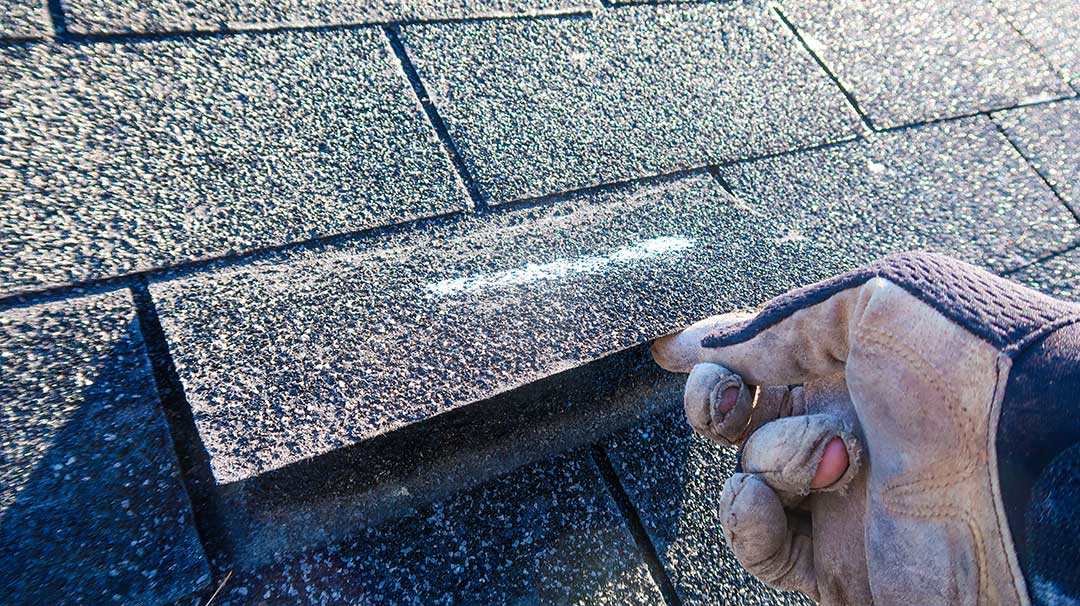
A roof that has underlayment can still leak if another part of the system fails. Conversely, a properly installed underlayment may limit damage from a minor roofing defect, but it cannot correct a major drainage or flashing problem.
Can underlayment be left exposed?
Underlayment should generally be covered within the exposure period specified for the material. Sunlight, wind, rain, foot traffic, and temperature changes can degrade it.
Even materials advertised as having extended exposure limits should not be treated as a finished roof surface. Prolonged exposure may affect seams, surface coatings, fastening points, and water resistance. Local weather can be unpredictable, so a short delay during roof work is different from leaving the roof uncovered for an extended period.
If a roof covering is removed and the deck remains exposed, temporary protection may be needed, especially before rain or snow. A loose tarp is not a complete roofing system and can create its own hazards if wind catches it or water collects beneath it.
Does an older roof always have underlayment?
Not necessarily. Older roofs may have underlayment that has deteriorated, been replaced in sections, or been installed differently from current practices. Some older construction may also have limited protection in valleys, around roof penetrations, or at the eaves.
During reroofing, the condition of the roof deck and existing underlayment may not be visible until the outer material is removed. Wet, soft, stained, or deteriorated decking may require correction before new layers are installed. Covering damaged wood without addressing the underlying problem can leave a weakness hidden beneath a new roof.
What should residents look for after a storm?
After heavy rain, snow, or strong wind, check accessible areas for signs that water may have bypassed the roof covering. Useful warning signs include:
- Brown or yellow ceiling stains
- Damp attic insulation
- Musty odors
- Water around vents or chimneys
- Curling, lifted, or missing shingles
- Granules collecting in gutters
- Daylight visible through the roof deck
- Drips that appear during thawing rather than during rainfall
Avoid walking on a steep, wet, icy, or damaged roof. Roof surfaces can be slippery even when they appear stable from the ground. If water is entering near electrical equipment, keep clear of the area and address the immediate safety risk first.
How long does roof underlayment last?
Its service life depends on the material, installation quality, exposure, roof temperature, moisture conditions, and whether the finished roof remains intact. Underlayment is designed to work beneath the roof covering, not to withstand years of direct sun and weather.
If the outer roofing material reaches the end of its service life, the underlayment should not automatically be assumed to remain suitable. During replacement, its condition, attachment, laps, and compatibility with the new roofing material should be evaluated.
The most useful way to think about underlayment is as a quiet but essential part of the roof system. It is rarely visible after construction, yet its placement beneath the finished surface can influence how well a home handles rain, snow, wind, and seasonal moisture for many years.
