
Roof warranties can look straightforward until a leak, missing shingle, or storm-related problem raises questions about what is actually covered. The key is to identify which warranty applies, what caused the problem, how long coverage lasts, and whether the warranty pays for materials, labor, or both.
What types of roof warranties may apply?
Most roofing warranty questions involve more than one document. A home may be covered by a manufacturer’s product warranty, a roofing contractor’s workmanship warranty, a builder warranty, homeowners insurance, or some combination of these.
A manufacturer’s warranty generally covers defects in the roofing materials themselves. Depending on its terms, it may apply to shingles, underlayment, metal components, ventilation products, or other installed materials. Material warranties often provide different levels of protection during different periods.
A workmanship warranty comes from the contractor or construction company that performed the installation. It may address installation errors such as improperly fastened materials, incorrect flashing, exposed fasteners, or other problems caused by the installation process.
A builder warranty may apply when the roof was installed as part of a newly constructed home. Its terms can differ from both the roofing product warranty and the installer’s workmanship coverage.
Homeowners insurance is separate from a warranty. Insurance commonly addresses sudden damage caused by covered events, such as wind, hail, fire, or a fallen tree. It generally does not function as a maintenance plan or pay to replace a roof simply because it has reached the end of its useful life.
Where should a homeowner start?
Begin by gathering every document connected with the roof. Useful records may include:
- The roofing contract
- The final invoice or closing documents
- Product warranty paperwork
- A workmanship warranty or installation certificate
- Roof inspection reports
- Maintenance and repair records
- Photos taken before and after installation
- Insurance policy documents and prior claim records
If the home changed ownership, check whether the warranty transfers to a later owner. Some warranties transfer automatically, some require registration, and others become limited after the first sale. A warranty may also have a deadline for transferring coverage.
The installation date matters as well. The date shown on a receipt, permit record, registration form, or closing file may determine whether the warranty is still active.
What does the warranty actually cover?
A warranty may cover a material defect without covering every consequence of that defect. Read the sections titled “coverage,” “limitations,” “exclusions,” “remedies,” and “claim procedure.”
Look for answers to these questions:
- Is the problem covered only if the roofing material is defective?
- Does the warranty include labor to remove and replace failed material?
- Are disposal, underlayment, flashing, ventilation, or related repairs included?
- Does coverage decrease after a certain number of years?
- Is there a deductible or a limit on reimbursement?
- Does the warranty provide repair, replacement materials, payment, or another remedy?
- Are claims limited to the original purchaser?
- Is written notice required within a specific period?
A long warranty term does not necessarily mean the entire roof is fully covered for that length of time. Some material warranties provide full coverage for an initial period and then offer reduced or prorated protection. A “lifetime” product warranty may refer to the expected life of the product under the warranty’s definition, not to unlimited coverage for as long as the homeowner owns the house.
How can the cause of the problem be identified?
The cause of the damage often determines which form of protection may apply.
A manufacturing defect might involve premature granule loss, splitting, blistering, cracking, or another material failure that occurs despite proper installation and ordinary use.
An installation problem may involve loose materials, improper overlap, inadequate flashing, poor valley construction, or exposed fasteners. These issues are usually considered workmanship concerns rather than product defects.
Storm damage may fall under homeowners insurance if the event is covered by the policy. Wind, ice, falling branches, and hail can affect roofs in different ways. The policy may also contain exclusions, deductibles, depreciation rules, or special conditions for older roofing materials.
Age-related deterioration and deferred maintenance are commonly excluded from both warranties and insurance policies. Examples include brittle materials, moss-related deterioration, long-term ponding, clogged drainage, and damage that worsened because a known leak was not addressed.
In Greene, NY, seasonal temperature changes, snow, ice, wind, and repeated freeze-thaw cycles can place stress on roofing materials and flashing. Those conditions do not automatically create warranty coverage, but they make maintenance records and timely documentation especially useful.
What exclusions deserve close attention?
Warranty exclusions can be more significant than the headline coverage period. Common exclusions may involve:
- Improper installation
- Inadequate attic ventilation
- Structural movement
- Storm, hail, or wind damage
- Walking on the roof or impact damage
- Alterations made after installation
- Repairs using incompatible materials
- Failure to perform required maintenance
- Mold, algae, moss, or biological growth
- Condensation or interior moisture
- Damage caused by another building component
- Unusual weather, disasters, or acts beyond the manufacturer’s control
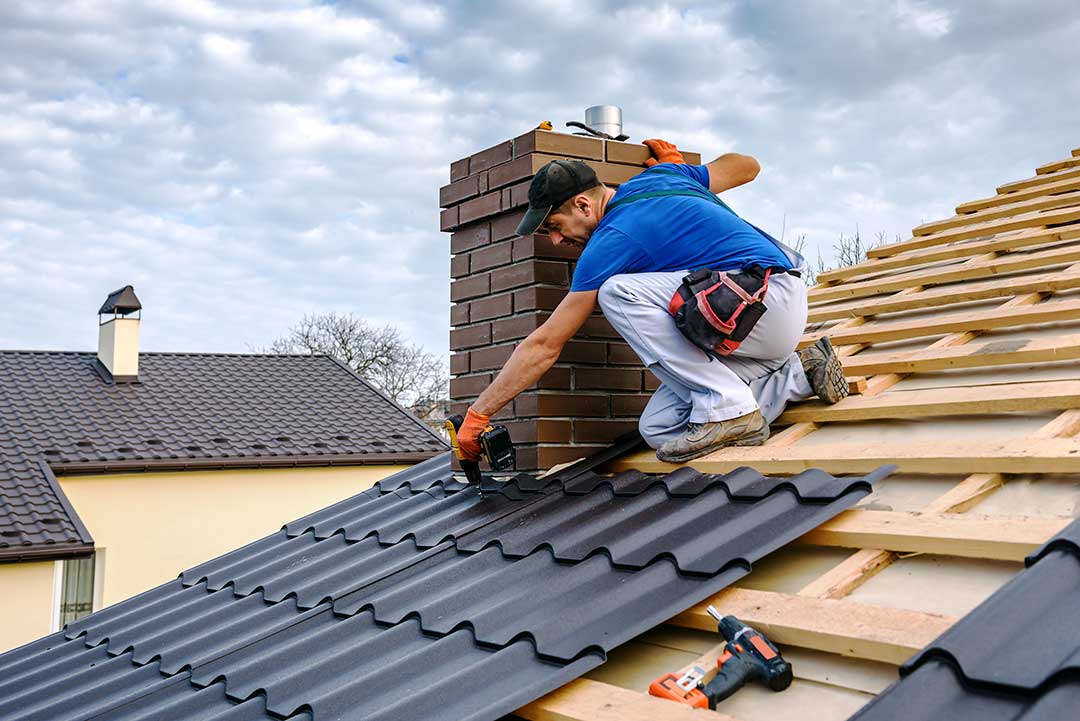
Some warranties also require the roof to meet specific installation standards. If the roof was installed over an unsuitable surface, lacked required ventilation, or was modified later, the warranty administrator may argue that an exclusion applies.
An exclusion does not automatically settle a dispute. The wording, facts, photographs, inspection findings, and applicable law all matter. Avoid relying solely on a verbal explanation of an exclusion; request the reason in writing.
Does using another repair provider void the warranty?
A warranty may contain procedures for approved repairs, inspection, or claim handling, but a broad statement that all coverage disappears merely because another provider performed maintenance should be examined carefully.
Federal warranty rules generally restrict certain attempts to condition warranty coverage on the use of a particular service or branded replacement part, although the details depend on the type of warranty and the circumstances. A manufacturer may still deny a claim if it can show that an alteration or repair caused the covered failure.
Before allowing substantial repairs, document the condition with dated photographs and obtain a written description of the proposed work. If a warranty claim may be involved, ask how emergency repairs should be handled so that the property is protected without destroying evidence of the original problem.
How should a roof warranty claim be documented?
Good documentation can make the coverage question easier to evaluate. Record:
- The date the problem was discovered
- The location and size of the affected area
- Interior stains, dampness, or ceiling damage
- Missing, cracked, lifted, or discolored roofing materials
- Weather conditions around the time of the suspected damage
- Temporary steps taken to prevent further water entry
- Copies of all communications and invoices
Do not make permanent repairs before the responsible party has a reasonable opportunity to inspect the issue, unless immediate action is needed to prevent unsafe conditions or additional property damage. Temporary protection may be appropriate, but it should be photographed and described clearly.
A written claim should identify the property, installation date if known, suspected problem, requested inspection, and documents being provided. Keep the original records and send copies.
What if the warranty claim is denied?
Ask for the denial and the specific warranty language supporting it. A useful response should explain whether the denial is based on an exclusion, an expired coverage period, lack of documentation, a dispute about the cause, or a failure to follow claim procedures.
Compare the denial with the contract, product warranty, inspection findings, and insurance policy. A roof can have more than one possible source of protection, so a denial under a manufacturer’s warranty does not necessarily answer whether workmanship coverage or insurance may apply.
For significant disputes, legal advice or guidance from a consumer protection agency may be appropriate. New York home improvement contracts generally should be in writing, and the written agreement can be important evidence about promised workmanship, materials, payment terms, and warranty obligations.
The most reliable assessment is rarely based on the warranty length printed in a brochure. It comes from matching the specific roof problem to the correct document, confirming the dates, reviewing exclusions, and preserving evidence before repairs change the condition.
