
How Should Greene, NY Residents Approach Roof Repairs During a Public Health Crisis?
During public health emergencies, such as COVID-19, managing roof repairs can feel complicated due to health guidelines, supply issues, and concerns about safety. Residents in Greene, NY often have questions about whether it is safe to repair their roofs, if certain projects can be delayed, and how to protect themselves and others during necessary repair visits. The following guidance addresses these concerns for the community.
Are Roof Repairs Considered Essential During Crises?
Roof repairs are often regarded as essential, particularly when leaks, structural damage, or safety hazards are involved. In Greene, NY, local officials and state guidelines have typically allowed critical home repairs to proceed, even during periods of restricted movement. This is because delaying repairs can lead to water damage, increased costs, and unsafe living conditions, especially in the region’s variable climate, where snow and heavy rain are common.
Is It Safe to Allow Workers at My Home for Repairs?
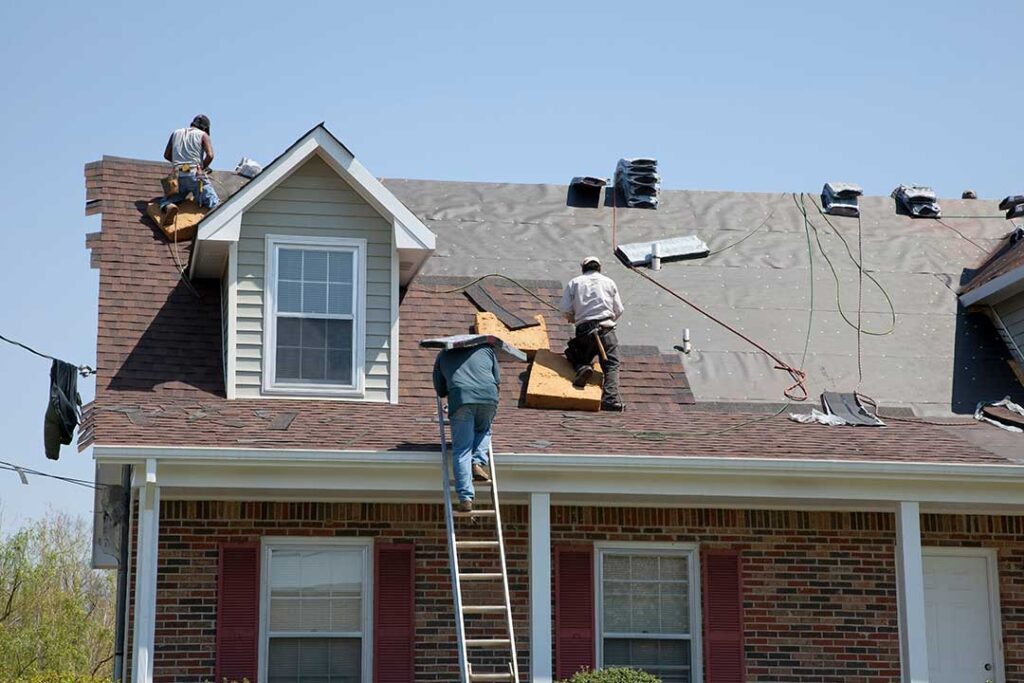
Roof work can be completed with minimal indoor interaction, which helps reduce risk. Here’s how repairs have typically been managed as safely as possible in the community:
- Crews do most or all the work outdoors.
- Communication is often arranged through phone, text, or email to limit in-person contact.
- If any access to the interior attic or ceiling is essential (such as for inspecting leaks), residents are often asked to open spaces in advance and maintain distance.
- Many repair teams use masks and gloves when interacting with homeowners or entering interior spaces.
Residents can discuss comfort levels and expectations in advance and request safety measures that fit their household’s needs.
What Should Residents Do if Repairs Can’t Be Completed Right Away?
Sometimes, health orders, bad weather, or supply shortages delay repairs in Greene. In circumstances where work cannot proceed immediately, temporary solutions can help protect the home:
- Cover leaks with heavy-duty tarps secured with boards or weights, making sure not to cause additional damage.
- Place buckets or containers indoors directly under any active leaks to limit water intrusion.
- Inspect the attic for signs of new leaks after storms or heavy snow.
- Regularly check exterior gutters and downspouts to make sure they are clear and guiding water away from the house.
Temporary fixes are not permanent solutions but can prevent more serious problems, especially in homes with older roofs or in areas prone to heavy precipitation.
What Should I Know About Getting Materials or Scheduling During a Crisis?
The COVID-19 pandemic and other emergencies can disrupt supply chains, leading to longer wait times or unexpected shortages in roofing materials. Residents may notice:
- Extended lead times for certain shingles or specialty products.
- Delays due to workforce shortages or staggered scheduling.
- Reduced availability of some fasteners, sealants, or underlayment, which can affect timelines.
Community members often find it helpful to be flexible with scheduling and material selections during periods of disruption. Communication with repair crews or local suppliers—by phone or online—is an efficient way to clarify what is available and set realistic expectations.
How Can Residents Minimize Health Risks When Roof Repairs Are Needed?
Taking simple precautions can make essential roof repairs safer:
- Stay indoors or away from exterior work areas during the repair.
- If conversation is required, maintain at least six feet of distance and consider wearing masks, especially if vulnerable household members are present.
- Avoid sharing tools or touching equipment handled by others.
- Ventilate any interior spaces, such as attics, before and after work.
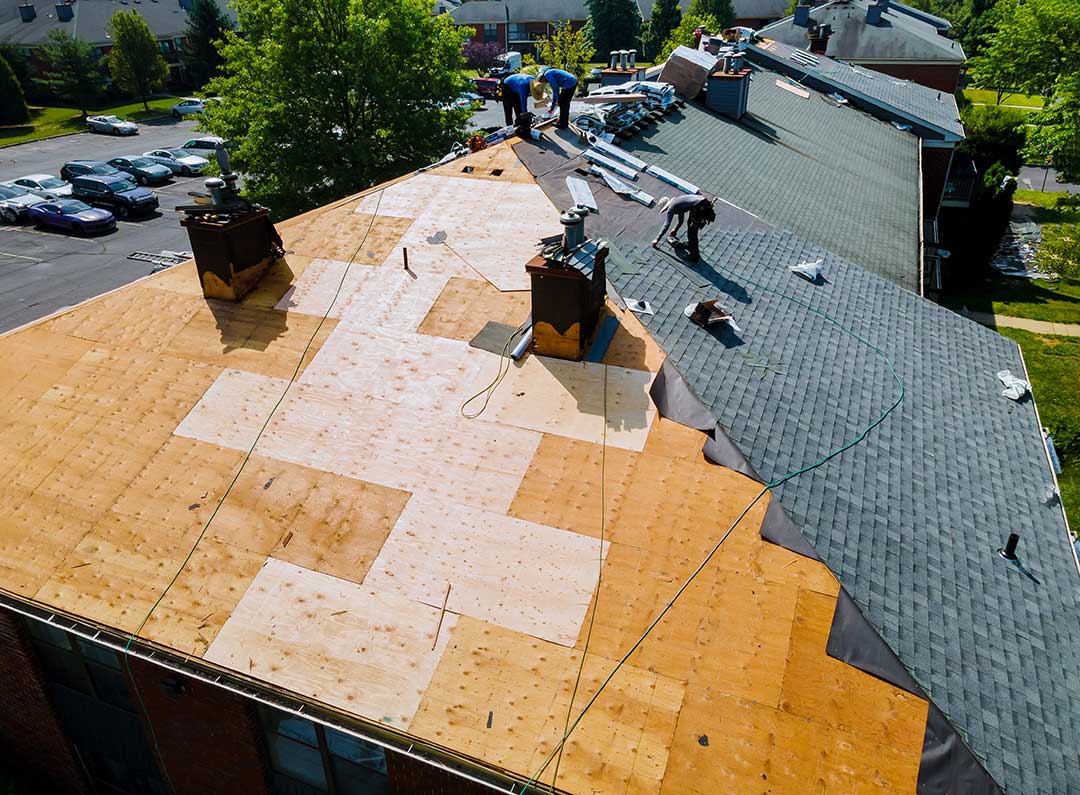
Most risks are reduced since the majority of work is outdoors, but extra caution helps protect everyone involved, particularly during widespread illness.
Are There Local Regulations or Notifications to Consider?
During the COVID-19 emergency, guidance from municipal and state officials in Greene, NY adjusted frequently. Some common requirements for local residents have included:
- Adhering to temporary construction or repair restrictions announced by the city or county.
- Ensuring exterior work does not violate noise or time-of-day ordinances, especially as neighbors may be working or learning from home.
- Keeping up with changing health protocols as announced by public health offices.
Residents can consult official municipal resources or local government websites if unsure whether roof repairs are permitted or if certain safety practices are mandated.
What Are Common Myths or Misunderstandings About Roof Repairs During Health Crises?
It’s easy for myths to spread during uncertain times. A few misconceptions local homeowners may encounter include:
- “All roof repairs must be put on hold during a crisis.” Essential repairs are almost always permitted.
- “Outdoor work poses the same health risks as interior work.” Most risk is minimized when projects are limited to outside areas.
- “Repairs should never be done unless absolutely critical.” Preventive or moderate repairs, like fixing small leaks before they worsen, can actually save residents from emergencies that lead to much greater home damage.
Clear information and direct discussion with reputable sources help residents make the safest choice for their home and family.
How Should I Prioritize Roof Issues if I Can’t Address Everything?
Public health emergencies or regional crises can strain finances and disrupt project plans. If residents must postpone larger repairs, assessing which issues are most urgent is key:
- Leaks or visible water intrusion should always take priority.
- Missing shingles or minor cosmetic issues can often wait but should be monitored, especially as weather changes.
- Signs of mold or major structural sagging require immediate attention and could create bigger hazards.
Area households have found that careful prioritization helps balance safety, peace of mind, and practical limitations during uncertain times.
