
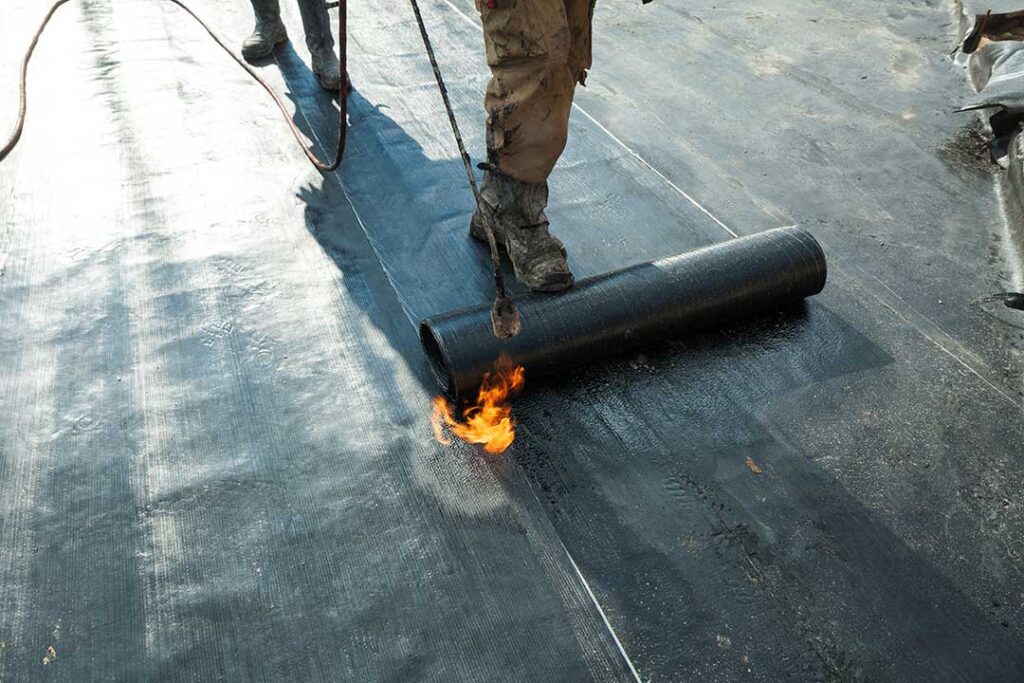
Replacing a roof creates more than a pile of shingles. Roofing work can leave behind asphalt shingles, underlayment, metal flashing, gutters, wood, insulation, plastic packaging, and sometimes materials that require special handling. Sorting these materials before disposal can reduce landfill waste, prevent contamination, and lower the risk of unsafe handling.
For households in Greene, NY, the practical first step is to identify what the roofing material is, separate recyclable items from general debris, and confirm acceptance rules before transporting anything.
Can asphalt shingles be recycled?
Yes, some asphalt shingles can be recycled through construction and demolition debris facilities. Recovered shingles may be processed for use in asphalt pavement or other applications, but acceptance is not universal and recycling availability can vary by facility and material condition.
Asphalt shingles are more likely to be accepted when they are:
- Separated from household garbage
- Free of excessive wood, insulation, soil, and general debris
- Kept reasonably dry
- Not mixed with asbestos-containing materials
- Delivered according to the facility’s load and packaging requirements
Recycling facilities may accept both shingles and roofing felt, while others may accept only asphalt shingles. A facility may also charge by weight or require advance information about the load.
Do not place roofing shingles in a curbside recycling bin. They are too heavy, bulky, and contaminated for ordinary household recycling systems.
What roofing materials can usually be separated for recycling?
Roofing debris should be sorted by material rather than placed in one mixed pile. The exact rules depend on the receiving facility, but the following categories are useful.
Asphalt shingles and roofing felt
These materials may be accepted at a construction and demolition debris recovery facility. Remove as much loose wood, plastic, metal, and household trash as practical.
Small amounts of roofing nails are commonly associated with shingles, but large quantities of loose metal may need to be separated. Avoid sweeping sharp nails into bags that could tear during handling.
Metal flashing, gutters, and vents
Aluminum, copper, and steel roofing components have recycling value as scrap metal. Keep them separate from shingles and remove attached wood, plastic, insulation, or excessive roofing cement where possible.
Metal roofing panels may be recyclable as scrap metal if they are clean enough for the receiving facility. Rust does not automatically make metal unrecyclable, but panels covered in tar, insulation, or other materials may be handled differently.
Wood
Roof decking, trimmings, and clean untreated lumber may be accepted separately from other construction debris. Painted, pressure-treated, rotted, or glued wood may have different disposal rules.
Do not burn old roofing wood, shingles, or roofing paper. Asphalt products can release unpleasant and potentially harmful smoke, while treated or painted wood can release additional contaminants.
Plastic, cardboard, and packaging
Unused packaging, clean cardboard, and certain plastic materials may fit ordinary recycling requirements if they are free of roofing cement, oil, and heavy dirt. Plastic wrap and damaged packaging may instead belong in the trash.
Roofing material bags are not automatically recyclable just because they are made of paper or plastic. If a bag is coated with asphalt residue or contains sharp debris, it may need to be discarded with construction waste.
How should roofing debris be prepared before transport?
Preparation makes recycling safer and helps prevent a rejected load.
Keep materials separated in sturdy containers or distinct sections of a trailer. Shingles can be heavy, so avoid overloading boxes, pickup beds, attic floors, porches, or temporary storage areas. In Greene, seasonal rain, snow, and freeze-thaw conditions can quickly make loose roofing debris heavier and harder to handle.
A practical sorting method is:
- Shingles and roofing felt in one section
- Clean metal in another section
- Untreated wood kept separate
- Cardboard and reusable packaging kept dry
- General trash removed from recyclable loads
- Suspect or hazardous materials isolated and left undisturbed
Use gloves, sturdy footwear, eye protection, and careful lifting practices. Roofing nails can remain hidden in felt, shingles, and roof-edge materials. Do not compact roofing debris by hand or place loose nails in household recycling containers.
Before loading, check whether the receiving location requires shingles to be bundled, covered, loose, or placed in a specific container. Rules can differ even among facilities that accept similar materials.
Can old roofing materials contain asbestos?
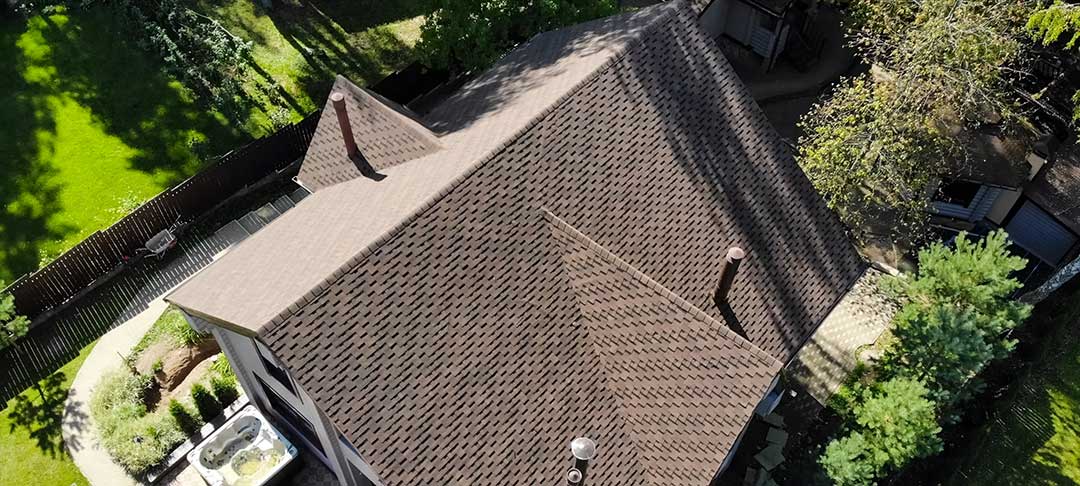
Yes. Some older roofing shingles, roofing paper, cement products, coatings, and related materials may contain asbestos. Age alone does not confirm whether a material contains asbestos, and visual inspection cannot reliably identify it.
If an older roofing material appears unusual, crumbles easily, or is suspected to contain asbestos, avoid breaking, cutting, drilling, sanding, grinding, or sweeping it. Keep people and pets away from the area and do not mix the material with ordinary recyclable shingles.
New York requirements distinguish between asbestos materials that remain intact and materials that can release fibers easily. Testing and removal requirements may apply, particularly when a roof is being demolished or the material is damaged. A New York State Department of Labor licensed asbestos professional may be required when asbestos is suspected or confirmed.
Asbestos-containing roofing debris should never be placed in curbside recycling, mixed with clean shingles, or taken to a facility without confirming its acceptance procedures.
What about roofing tar, cement, solvents, and coatings?
Roofing cement, tar, sealants, adhesives, and solvent-based products should be treated separately from ordinary roofing debris. Even when a container is nearly empty, residue may affect how it can be disposed of.
Keep these products in their original containers when possible. Do not pour them onto soil, into storm drains, or into household plumbing. Do not place liquid or semi-liquid roofing products in a recycling load.
Partially full containers, unknown chemicals, and leaking containers may require household hazardous waste guidance. The correct option depends on the product and local collection rules. Never transport a leaking container in the passenger area of a vehicle.
Where can residents take old roofing materials?
The appropriate destination depends on the material. Asphalt shingles may go to a registered construction and demolition debris processing or recovery facility, while clean metal may go through a scrap-metal recycling channel. Suspected asbestos, roofing chemicals, and contaminated materials require separate instructions.
Before making a trip, confirm:
- Whether the facility accepts residential loads
- Which roofing materials are accepted
- Whether shingles must be source-separated
- Whether asbestos-free material is required
- Whether there are quantity, vehicle, or covering rules
- How fees are calculated
- Whether appointments or documentation are needed
NYSDEC maintains information about regulated construction and demolition debris facilities, but local acceptance policies can change. Confirm current requirements directly before loading a vehicle, especially after a large storm or during seasonal cleanup periods.
Can old shingles be reused at home?
Limited reuse may be possible, but damaged shingles are rarely suitable for another roof. A few intact pieces may serve as temporary ground protection beneath a small outdoor project, but shingles should not be used where runoff could carry asphalt residue into a drainage area.
Do not use old shingles as mulch, garden edging, fire-starting material, or fill around a foundation. They can contain granules, nails, asphalt residue, and other components that are inappropriate for soil or burning.
The most responsible approach is to keep usable materials clean and dry for a clearly defined project, while sending damaged or contaminated material through an approved disposal or recovery route.
What is the biggest recycling mistake to avoid?
The most common mistake is treating all roofing debris as one recyclable material. A load that combines clean metal, asphalt shingles, tar containers, insulation, household trash, and suspected asbestos may be rejected or require special handling.
Sorting at the property is safer and usually simpler than trying to separate materials after loading. For homes in the community, careful preparation also helps keep nails, sharp metal, and windblown debris out of yards, streets, drainage areas, and winter snow piles.
