
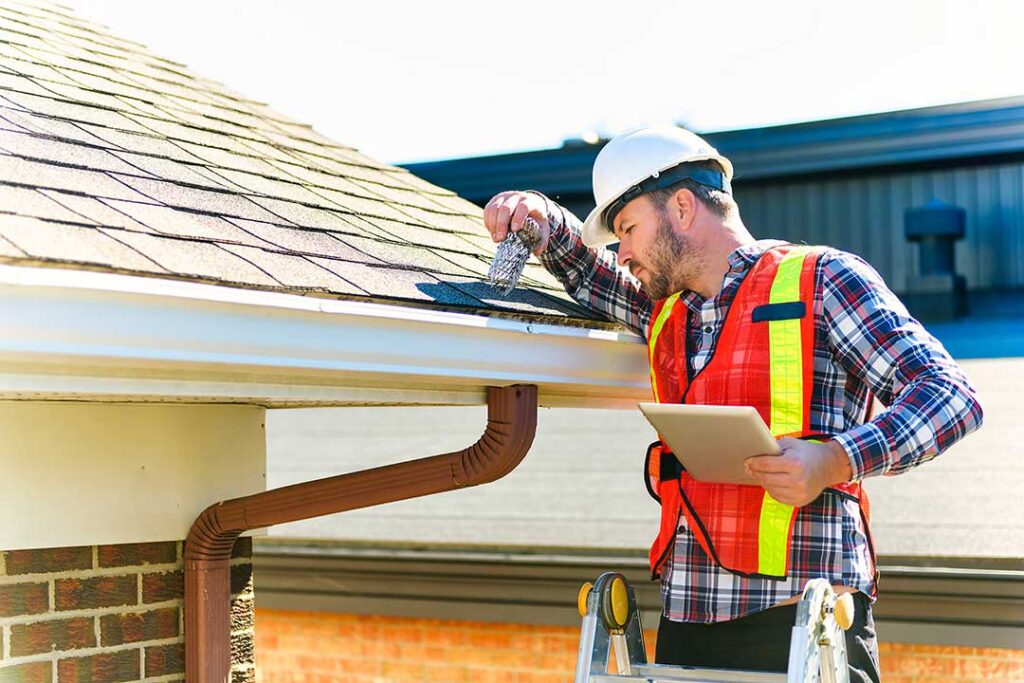
Roof problems do not pause during a crisis. A leak, missing shingles, fallen branch, or storm-related opening can continue damaging a home even when travel, work, medical care, or household routines are disrupted.
For residents of Greene, NY, the safest approach is to separate urgent damage control from nonessential improvements. Protect people first, limit interior damage, document conditions, and arrange outside assistance only when the situation requires it.
How should a roof emergency be handled during a crisis?
A roof emergency should be stabilized as soon as it is reasonably safe, but nobody should climb onto a roof during dangerous weather, illness-related isolation, or unsafe working conditions. The first step is to determine whether the problem threatens the people inside the home or is likely to cause continuing structural damage.
Urgent warning signs include:
- Water entering near electrical fixtures, outlets, or wiring
- A section of roof or ceiling that is sagging
- A large opening exposed to rain, snow, or wind
- A tree or heavy limb resting on the roof
- Missing roofing materials after a storm
- Strong signs of movement, collapse, or shifting structural members
- Water spreading rapidly through ceilings or walls
If electrical hazards, structural instability, fire, or severe flooding is present, occupants should move away from the affected area and use emergency services when necessary. Do not touch wet electrical equipment or enter a room with a visibly collapsing ceiling.
What can homeowners do immediately without climbing onto the roof?
Many temporary steps can be taken from inside the home or from ground level. These actions are intended to reduce damage until a permanent repair is possible.
Place containers under active drips, but do not stand beneath a bulging ceiling. If a ceiling is holding water and appears swollen, keep people and furnishings away from the area. A ceiling may fail suddenly when saturated.
Move furniture, electronics, clothing, and other belongings away from leaks. Use plastic sheeting or waterproof covers only where it can be done safely without climbing or reaching near electrical hazards.
From the ground, look for obvious changes such as missing shingles, a displaced ridge cap, hanging gutters, or a tree limb resting on the roof. Avoid pulling down loose materials. A seemingly small piece may be supporting another unstable section.
If safe access is available, take photographs from the ground and from inside the attic or upper floors. These records can help explain what happened, support an insurance claim, and distinguish new damage from older wear.
Should a roof be covered during a public health emergency?
A temporary cover may be appropriate when an opening is allowing water into the home, but roof coverings can be dangerous to install. Wet shingles, steep slopes, wind, ice, and hidden structural damage create fall risks that do not disappear because the repair is urgent.
A covering should not be installed by someone who lacks safe roof access, suitable equipment, or the ability to secure it against wind. A loose sheet can tear away, damage nearby property, or create additional hazards.
If a temporary covering is already in place, inspect it from the ground after strong wind. Do not climb up to adjust it during rain, snow, high winds, or freezing conditions. Water may also travel beneath a covering, so the absence of visible dripping does not always mean the problem is resolved.
How can roof repairs be managed while reducing health risks?
During a health crisis, repair planning should account for household exposure, worker safety, and communication. Many discussions can take place by phone or video, and photographs can help describe the visible damage before anyone arrives.
Before an in-person visit, residents should explain relevant conditions such as:
- A household member who is sick or recovering
- Recent exposure to a contagious illness
- Respiratory sensitivity or immune-system concerns
- Limited indoor access
- The need for outdoor-only communication
- Children, older adults, or pets who need to remain separated from work areas
Repairs may be possible with limited contact if the work can be performed from outside and the affected area is clearly identified. Doors, gates, and access paths should be kept clear. Indoor visits should be limited to situations where inspection or repair cannot be completed safely from outside.
Normal precautions still apply: maintain reasonable distance, avoid unnecessary conversation in enclosed areas, and keep shared surfaces clean. Health guidance can change during an outbreak, so current public-health instructions should take priority over informal household practices.
What if the roof problem is not immediately dangerous?
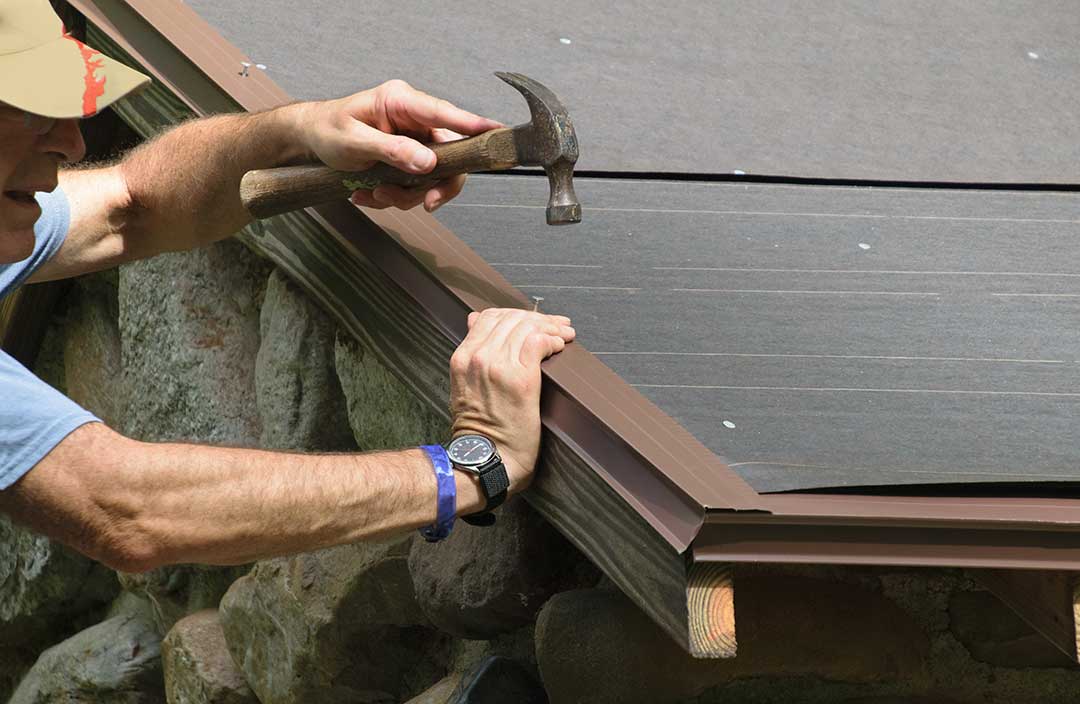
Not every roof defect requires emergency work. A few old or cracked shingles, minor granule loss, worn flashing, or a small stain that is completely dry may be documented and addressed later, provided the damage is not expanding.
Temporary monitoring is more reasonable when:
- There is no active leak
- No large opening is exposed
- The roof is not sagging
- Weather conditions are stable
- The interior remains dry
- No tree or loose material threatens the structure
Place a dated mark near an interior water stain, without covering or disturbing the damaged surface. Check the area after rainfall, snowmelt, and strong wind. New staining, bubbling paint, musty odors, or damp insulation may indicate that water is still entering.
A delay becomes less reasonable if the defect is near a chimney, roof valley, skylight, vent, or wall intersection. These areas can allow water to travel away from the original entry point, making the visible stain misleading.
How do seasonal conditions affect roof damage in Greene, NY?
Cold weather can make roof repairs more difficult because snow, ice, frozen materials, and shorter daylight hours increase the chance of falls and incomplete work. Freeze-and-thaw cycles may enlarge small openings, loosen flashing, and place additional stress on gutters and roof edges.
Heavy snow should not be removed by walking on the roof unless the work is designed for those conditions and performed with appropriate safety measures. Snow raking from the ground may reduce some weight, but tools can damage shingles, gutters, siding, and overhead wiring if used carelessly.
Spring often reveals problems that were hidden during winter. Look for damp attic insulation, dark roof sheathing, lifted shingles, sagging gutters, and stains that become visible after repeated rain. Summer heat can soften some roofing materials, while fall leaves can collect in valleys and block drainage.
What records should be kept?
Clear records make later decisions easier. Photograph the damaged area from several angles, including a wider view showing its location on the building. Note the date, weather conditions, when the problem was first observed, and whether water entered the home.
Keep receipts for reasonable emergency supplies and record temporary actions such as moving belongings, placing containers, or covering contents. Avoid removing damaged materials before they are documented unless leaving them in place creates an immediate safety hazard.
Insurance policies differ. Some cover sudden storm damage but exclude deterioration, neglect, or maintenance-related problems. A policy may also require prompt notice of a loss and reasonable steps to prevent additional damage. Reading the applicable policy and documenting communication can prevent confusion later.
When is outside assistance necessary?
Outside assistance is warranted when the roof is unsafe to access, the damage involves structural movement, water is near electrical systems, a tree has struck the building, or temporary measures cannot control continued water entry.
Repairs should also follow applicable building and safety requirements, particularly when structural components, roof sheathing, ventilation, or flashing are being replaced. A crisis may change how work is coordinated, but it does not remove the need for safe methods or required approvals.
The practical goal is not to restore every roof immediately. It is to prevent injury, limit water damage, preserve useful information, and postpone nonurgent work until conditions allow it to be completed safely.
