
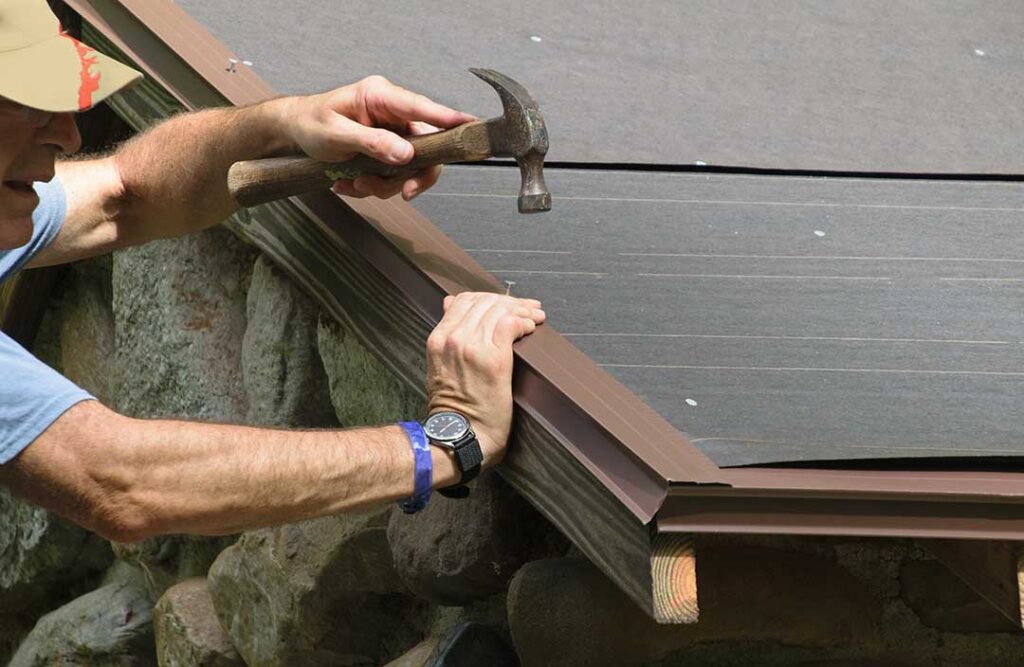
Why do building codes matter for a roof?
Building codes set minimum requirements for roofing materials, installation methods, structural safety, drainage, fire resistance, and weather protection. In Greene, NY, these requirements are especially relevant because roofs must withstand snow, ice, wind, repeated freeze-thaw cycles, and moisture throughout the year.
A roof can look acceptable from the ground and still have problems that affect code compliance. The condition of the roof deck, the number of existing roofing layers, the installation of flashing, and the use of ice-barrier protection may all matter during a replacement or recovery project.
Codes are not intended to dictate every design choice. They establish a baseline intended to protect occupants, neighboring properties, workers, and the building itself.
Does replacing a roof require a permit in Greene?
Yes. The local code enforcement office states that roofing permits are required for roof replacement and roof recover work in Greene. A permit should be obtained before the project begins, rather than after materials have been delivered or work is already underway.
A roof replacement generally involves removing existing roof coverings down to the roof deck. A roof recover places a new roof covering over an existing one when the existing assembly meets specific conditions.
The distinction matters because the code treats these projects differently. A new layer cannot simply be installed over any roof surface. Recovering may not be allowed if:
- The existing roof is water-soaked or too deteriorated to support another layer
- The roof already has two or more layers of covering
- The existing covering is slate, clay tile, cement tile, or asbestos-cement tile
- The proposed installation does not follow approved material instructions
Small repairs may be treated differently from full replacement or recovery. Because the exact boundary depends on the work being performed, property owners should verify permit requirements with the applicable Greene code enforcement office before starting.
Which building code applies to roofing work?
New York’s Uniform Fire Prevention and Building Code establishes the statewide minimum requirements. Local code enforcement offices administer and enforce those requirements within their jurisdictions.
As of December 31, 2025, New York’s updated 2025 Uniform Code became effective for new permit applications, subject to the state’s rules and transition provisions. This means that older advice about roofing permits, underlayment, ventilation, or roof coverings may no longer provide a complete answer for a current project.
Local requirements can also vary depending on whether a property falls within the Town of Greene or the Village of Greene. The applicable jurisdiction may affect the permit process, forms, inspections, zoning review, and administrative requirements.
The safest approach is to identify the property’s governing jurisdiction first. A mailing address alone may not always explain which office has authority over the work.
How do local weather conditions affect roof-code requirements?
Roofing codes account for structural and weather-related risks, not just appearance. In this area, seasonal conditions can place repeated stress on a roof assembly.
Snow adds weight to rafters, trusses, and roof decking. Ice can form at eaves and around roof penetrations. Wind can lift poorly fastened shingles or metal panels. Freeze-thaw cycles can enlarge small cracks and allow water to move beneath flashing or underlayment.
Code-compliant work may address these risks through requirements involving:
- Fastener type, spacing, and placement
- Roof sheathing and structural capacity
- Ice-barrier protection near eaves and other vulnerable areas
- Flashing around chimneys, walls, valleys, skylights, and plumbing penetrations
- Proper drainage and roof slope
- Approved installation methods for the selected roof covering
- Ventilation and moisture control where required by the roof design
The exact requirements depend on the building, roof shape, materials, and scope of work. A steep gable roof, a low-slope addition, and a detached accessory structure may not be evaluated in the same way.
Why does the roof deck matter during replacement?
The roof covering is only one part of the roofing system. Beneath it, the roof deck provides the surface to which many roof materials are attached. If the deck is rotten, water-damaged, weakened, or improperly fastened, installing new shingles over it may conceal a structural problem rather than solve it.
Roofing codes require the supporting roof components to handle both the finished roof system and the loads created during installation. Workers, bundles of materials, tools, and temporary equipment can place significant weight on the structure.
During a permitted replacement, deteriorated decking may need to be repaired or replaced before the final roof covering is installed. This can change the project scope after the old roof is removed, but it helps ensure that the new system is attached to a sound base.
What are ice barriers, flashing, and drainage requirements?
Ice barriers are protective membranes installed in areas vulnerable to ice-dam-related water intrusion. They are commonly associated with roof edges, eaves, valleys, and other locations identified by the applicable code and roof design.
Flashing directs water away from joints and penetrations. Typical flashing locations include:
- Chimneys and masonry intersections
- Roof-to-wall transitions
- Valleys
- Sidewalls and headwalls
- Skylights
- Plumbing vent penetrations
- Roof edges and areas around mechanical equipment
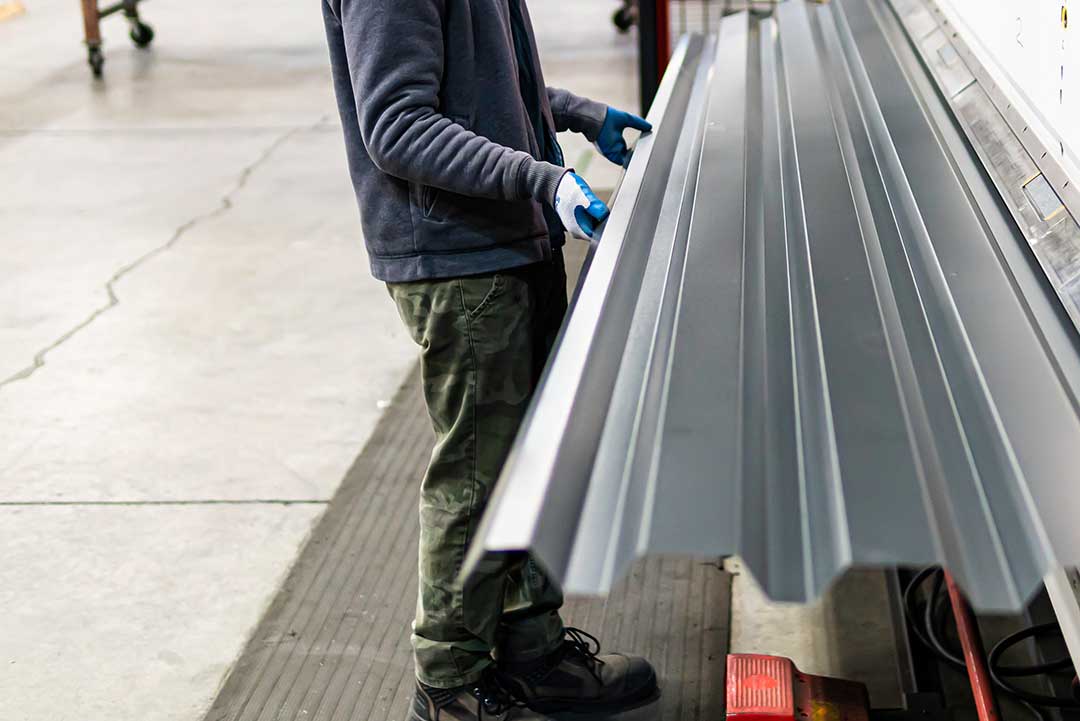
A roof may have high-quality shingles but still leak if flashing is missing, damaged, or installed incorrectly.
Drainage is another code concern. Roofs must be arranged so water moves away from the building rather than collecting at low points or flowing behind exterior coverings. Low-slope sections, additions, porch roofs, and areas near walls deserve particular attention because they may drain differently from the main roof.
Can a property owner be penalized for skipping a roofing permit?
Yes. Roofing work completed or underway without a required permit may result in enforcement action, fines, or a stop-work order in Greene. The property owner and the person performing the work may both have responsibilities under the local permitting process.
Unpermitted work can also create practical complications later. A future buyer, lender, insurer, or appraiser may ask whether major improvements were properly approved. Missing permit records can make it more difficult to demonstrate that the work followed applicable requirements.
A permit does not guarantee that a roof will never leak or fail. It does create a formal process for reviewing the proposed work and documenting inspections or approvals.
What should residents check before roofing work begins?
Before materials are ordered or work starts, property owners should confirm:
- Which local jurisdiction oversees the property
- Whether the project is a repair, roof replacement, or roof recover
- Whether a building permit is required
- Which edition of the New York State code applies to the application
- Whether the roof has multiple existing layers
- Whether the roof deck may need repair
- How ice barriers and flashing will be handled
- Whether inspections are required during or after the work
- What documents must be submitted with the permit application
Roofing code questions are not limited to large construction projects. A modest reroofing project can still involve structural, drainage, weatherproofing, and legal requirements. Checking the rules before work begins is usually simpler than correcting a violation after the roof has been installed.
