
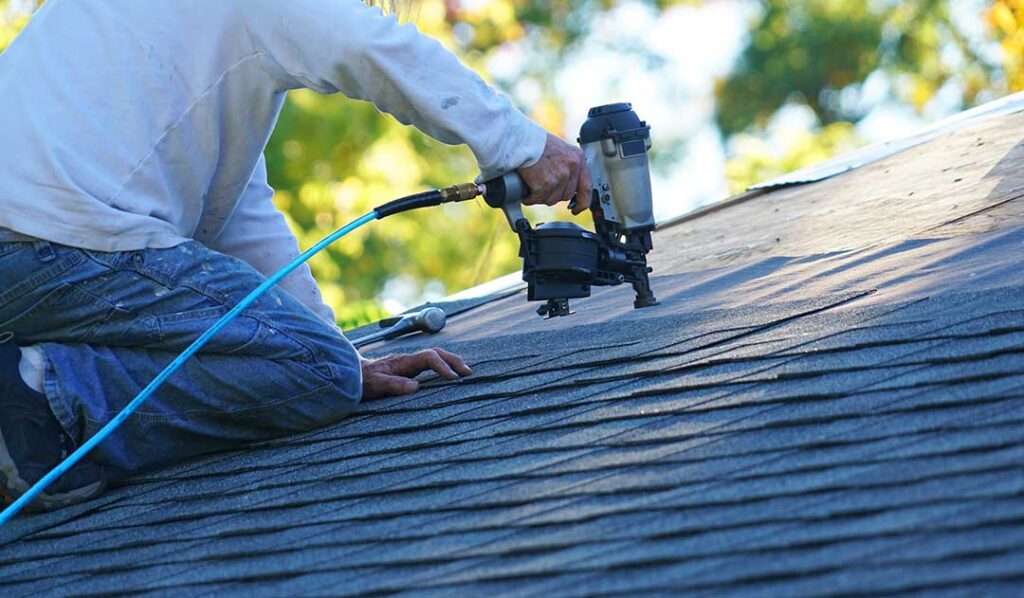
Roof shingles attract most of the attention, but the layer beneath them plays a major role in protecting a home. Roof underlayment is a water-resistant material installed over the roof deck and below the finished roofing material. It provides backup protection when rain, melting snow, ice, or wind-driven moisture gets past the shingles.
For homes in Greene, NY, underlayment is especially relevant because roofs must handle changing conditions through the year, including freezing temperatures, snow, spring rain, summer heat, and occasional strong winds.
What is roof underlayment?
Roof underlayment is a protective sheet or membrane placed between the roof deck and the outer roofing material. The roof deck is usually made from plywood or oriented strand board, while the exterior covering may be asphalt shingles, metal panels, or another roofing material.
Underlayment serves several purposes:
- It helps keep moisture from reaching the roof deck.
- It provides temporary protection if roofing work is interrupted.
- It creates a smoother surface beneath shingles.
- It can reduce the risk of damage from wind-driven rain and melting snow.
- It helps protect the roof structure while the outer covering ages.
Underlayment is not intended to replace properly installed shingles or other roofing materials. Instead, it acts as a second line of defense.
Why does a roof need underlayment if it already has shingles?
Shingles are designed to shed most water, but no shingle system is completely sealed against every weather condition. Wind can lift the edges of shingles, rain can move sideways beneath exposed areas, and ice can create temporary dams along the eaves.
Underlayment helps limit the damage when water gets beneath the visible roof covering. It is particularly useful around areas that require numerous cuts and seams, such as chimneys, plumbing vents, skylights, valleys, and roof-to-wall transitions.
A roof without suitable underlayment may allow small leaks to reach the roof deck more quickly. Over time, repeated moisture exposure can contribute to wood deterioration, mold growth, staining, and weakened fastener connections.
What are the main types of roof underlayment?
The three broad categories are asphalt-saturated felt, synthetic underlayment, and rubberized asphalt or other self-adhering membranes.
Asphalt-saturated felt
Traditional felt underlayment has been used for many decades. It is made from a fibrous base saturated with asphalt and is commonly available in different weights.
Felt is generally less expensive and can provide dependable basic protection when installed correctly. However, it can tear more easily during installation, absorb some moisture, and wrinkle if exposed to weather for too long before the roof covering is installed.
Synthetic underlayment
Synthetic products are made from plastic-based materials. They are usually lighter than felt, resist tearing, and can remain stable during short periods of exposure before the finished roofing is installed.
Synthetic underlayment often covers more roof area per roll and may be easier to handle. Its performance still depends on correct fastening, lap spacing, and compatibility with the roofing system.
Self-adhering membrane
Self-adhering underlayment, sometimes called peel-and-stick membrane, has an adhesive backing that bonds to the roof deck. It is often used in areas that face higher leakage risk, including eaves, valleys, wall intersections, and around penetrations.
This material can provide strong protection against wind-driven rain and ice-related moisture. It must be installed on a suitable, clean surface, and placement can be difficult if the material folds or bonds in the wrong location.
Where is underlayment most important?
Underlayment matters across the entire roof, but certain locations deserve extra attention because they collect water or contain transitions.
Eaves
The lower edges of a roof can be vulnerable to ice buildup. If melting snow refreezes near the eaves, water may work beneath the shingles. An appropriate water-resistant membrane in this area can provide added protection.
Valleys
Roof valleys direct water from two roof slopes into a shared drainage path. Because they handle a large volume of runoff, poor installation or damaged materials in a valley can result in leaks inside the home.
Roof penetrations
Plumbing vents, chimneys, skylights, and other openings require layered flashing and underlayment details. The underlayment should work with the flashing rather than being cut in a way that directs water behind it.
Roof-to-wall intersections
Where a sloped roof meets a vertical wall, water can collect or move sideways during storms. Properly layered underlayment and flashing help direct moisture back onto the roof surface.
Can underlayment stop roof leaks by itself?
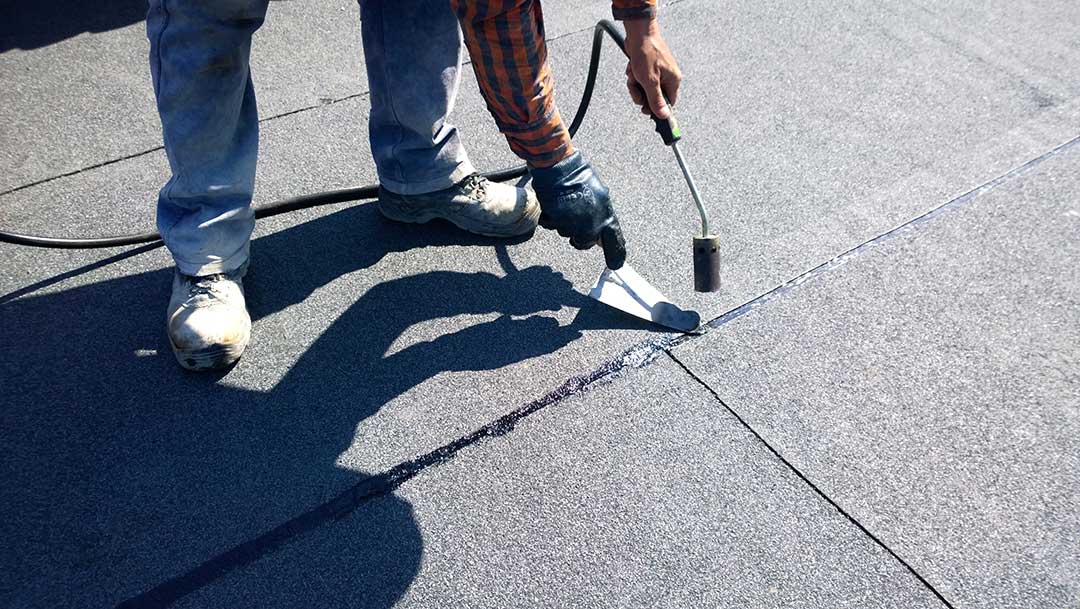
No. Underlayment can reduce water intrusion, but it cannot correct every roofing problem. Leaks may result from broken shingles, exposed fasteners, failed flashing, clogged drainage paths, damaged vent boots, or deteriorated roof decking.
Underlayment is also not a permanent substitute for the outer roof covering. If shingles are missing or the roof has sustained storm damage, moisture may continue entering through openings and seams.
A ceiling stain should not automatically be blamed on one visible roof defect. Water can travel along rafters, decking, insulation, or framing before appearing indoors. The location of an interior stain may be several feet away from the actual entry point.
How long can underlayment remain exposed?
The answer depends on the material and the manufacturer’s installation requirements. Some products are intended for brief exposure, while others can tolerate longer periods. Exposure limits may be reduced by strong sunlight, heavy rain, wind, foot traffic, or repeated freezing and thawing.
Underlayment should not be treated as a finished roof. If roofing work is delayed, the exposed material needs to remain properly secured and inspected for tears, loose edges, open seams, and moisture intrusion.
What should homeowners look for during a roof replacement?
Residents can ask practical questions without needing specialized roofing knowledge:
- What type of underlayment is being used?
- Will high-risk areas receive additional water-resistant membrane?
- How will valleys, eaves, vents, chimneys, and wall intersections be treated?
- How long can the material safely remain exposed?
- Are existing roof-deck problems being checked before new materials are installed?
- Are the installation details consistent with the roofing material and local requirements?
The roof deck should be reasonably clean, dry, and structurally sound before underlayment is installed. Soft spots, swollen wood, widespread staining, or areas with visible decay may require attention before the new roof covering goes on.
Does local weather affect underlayment choices?
Yes. Seasonal weather influences both material selection and installation practices. In Greene, NY, freezing conditions and snow make protection near eaves and other drainage areas particularly relevant. Wind-driven rain can test seams and roof transitions, while summer heat can affect how adhesive materials bond and how temporary coverings perform.
Roof ventilation also matters. Underlayment helps manage water exposure, but it does not replace balanced intake and exhaust ventilation. Excess moisture in the attic can come from air leakage, poor ventilation, or indoor humidity rather than a roof leak alone.
What are common misconceptions about roof underlayment?
One misconception is that thicker underlayment always means a better roof. Thickness can matter, but installation quality, material compatibility, fastening, flashing, and weather exposure limits are just as important.
Another misconception is that a roof with no visible interior leak has no underlayment problem. Underlayment defects may remain hidden until a major storm or winter weather exposes a weakness.
It is also inaccurate to assume that every roof requires exactly the same underlayment arrangement. Roof slope, roofing material, roof shape, climate exposure, and local building requirements all influence the appropriate assembly.
Understanding the layer beneath the shingles makes roof maintenance easier to evaluate. Underlayment is usually out of sight, but its condition and installation details can determine how well a roof handles the moisture challenges that come with life in Greene, NY.
