
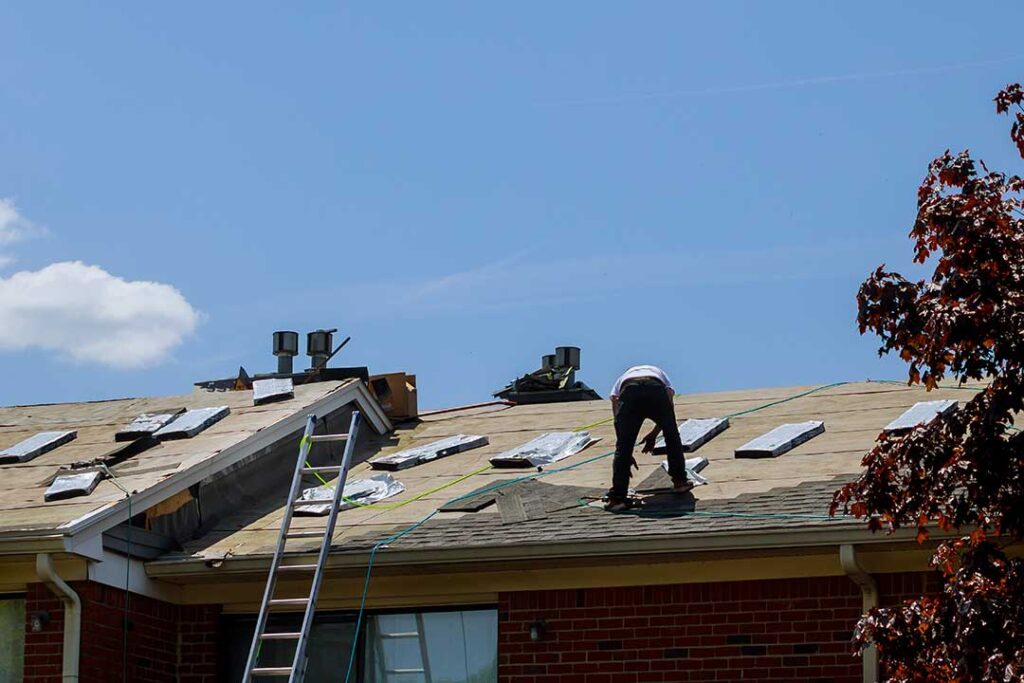
Roof age is not determined by the calendar alone. Material, installation quality, ventilation, roof slope, storm exposure, and maintenance all influence how quickly a roofing system deteriorates.
For households in Greene, NY, repeated freeze-thaw cycles, winter snow, wind, ice, moisture, and summer heat can gradually affect both the visible roof covering and the hidden layers beneath it. Learning the aging patterns of different roof types helps residents recognize problems early without assuming that every older roof needs immediate replacement.
What are the first signs that a roof is aging?
The earliest signs are usually gradual changes rather than a single dramatic failure. A roof may be aging even when there is no active leak inside the house.
Look for:
- Curling, cracking, blistering, or missing roofing units
- Exposed fasteners or loosened flashing
- Granules collecting in gutters or near downspouts
- Dark streaks, moss, or persistent damp areas
- Sagging roof lines or uneven sections
- Daylight visible through the roof deck from the attic
- Damp insulation, water stains, or musty odors indoors
A few damaged shingles after a storm do not always mean the entire roof has reached the end of its service life. However, widespread damage, repeated repairs, or deterioration across several roof slopes usually indicates broader aging.
How does asphalt shingle roofing show its age?
Asphalt shingles often reveal aging through surface wear and loss of flexibility. Common signs include curled corners, cracked tabs, bald patches where mineral granules have worn away, and shingles that appear unusually flat or brittle.
Granule loss is especially useful to watch. A small amount in the gutter can occur after installation or a severe storm, but continuing accumulation suggests that the protective surface is wearing down. Once the granule layer becomes thin, the asphalt beneath is more exposed to sunlight, water, and temperature changes.
Other warning signs include:
- Shingles lifting or flapping in the wind
- Straight-line cracks across several shingles
- Missing tabs or exposed nail heads
- Sagging between rafters
- Repeated leaks around chimneys, valleys, or roof penetrations
Asphalt roofing may age unevenly. A south-facing slope can deteriorate faster because it receives more direct sunlight, while a shaded slope may hold moisture and develop moss. In a cold-weather community, snow and ice can add stress to already-brittle shingles.
What does aging look like on metal roofs?
Metal roofing often remains functional after its finish begins to look worn. Surface fading alone is not necessarily a structural problem, but rust, corrosion, loose seams, and failed fasteners deserve attention.
Check for:
- Rust around exposed fasteners, seams, or cut edges
- Peeling or blistering paint
- Small holes or pitted areas
- Panels that have shifted or lifted
- Open seams or loose ridge and eave details
- Water stains below fasteners or roof penetrations
Metal expands and contracts as temperatures change. Over many years, this movement can enlarge fastener holes, loosen connections, and stress sealants around vents and flashing. A metal roof may look sound from the ground while its joints or penetrations are allowing moisture into the roof assembly.
Snow sliding from a metal roof can also damage lower roof sections, gutters, landscaping, or exterior features. Snow guards and related components should be checked for corrosion and secure attachment.
How can aging be identified on slate, clay, and concrete tile roofs?
Slate, clay tile, and concrete tile can last much longer than many other roofing materials, but their supporting components may age sooner. A roof made from durable units can still leak because of failing flashing, corroded fasteners, deteriorated underlayment, or damaged decking.
Signs of aging include:
- Cracked, broken, or missing tiles
- Slates that have split into thin layers
- Loose units that slide out of position
- Rust-colored streaks from corroding fasteners
- Deteriorated flashing around chimneys and valleys
- Sagging areas beneath the tile or slate
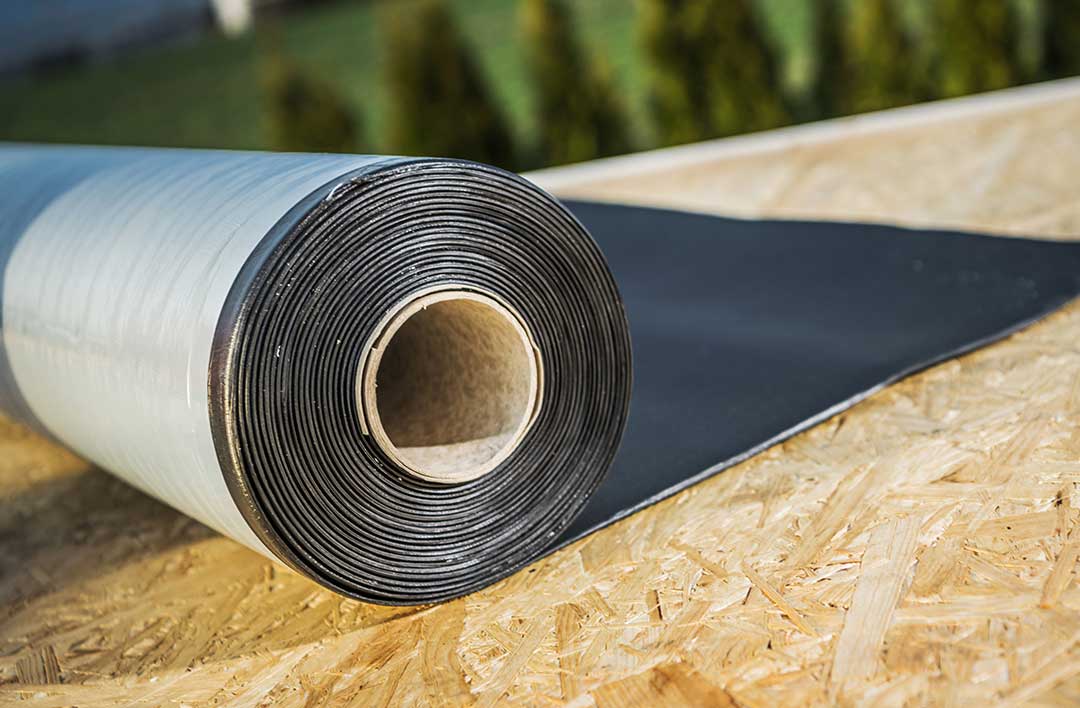
Slate can break if walked on improperly, and clay or concrete tiles can crack under impact or excessive pressure. These materials should not be judged only by their appearance from the ground. A roof may retain attractive, intact-looking surfaces while its flashing or underlayment has become the weak point.
A common misconception is that a long-lasting material never needs inspection. In reality, the covering and the water-shedding details age at different rates.
What are the aging signs on wood shingles and shakes?
Wood roofing usually shows age through moisture damage, biological growth, splitting, and loss of thickness. Shingles and shakes need the ability to dry after rain or snow. Persistent shade, clogged drainage paths, leaves, and nearby vegetation can keep the material damp for too long.
Watch for:
- Soft or crumbly wood
- Deep cracks and splits
- Rot near lower edges or in shaded areas
- Moss or lichen covering large sections
- Shingles that have slipped or detached
- Insect damage or small holes
- Uneven discoloration associated with prolonged moisture
A few weathered pieces are not necessarily evidence of total failure. Widespread softness, recurring leaks, or extensive detachment indicates that the roof covering and possibly the sheathing beneath it have been weakened.
How do low-slope and flat roofs age?
Low-slope roofs often show different problems from steeply pitched roofs. Because water drains more slowly, ponding, membrane deterioration, seam failure, and clogged drains are important warning signs.
Aging may appear as:
- Cracks or splits in the membrane
- Blisters or bubbles
- Open seams
- Exposed reinforcement
- Loose edge metal
- Standing water that remains after fair weather
- Shrinking or separating flashing
Flat and low-slope roofs are particularly sensitive to drainage. Leaves, ice, and debris can block drains or scuppers, allowing water to remain on the surface. Repeated ponding adds weight and gives leaks more time to develop.
Interior evidence can be significant. Stained ceiling areas, damp insulation, peeling paint, or a musty odor may indicate that moisture has been entering for some time.
Which roof problems require prompt attention?
Active leaks, structural sagging, exposed roof decking, large areas of missing material, and damaged flashing around chimneys or vents deserve prompt evaluation. The same is true when water reaches electrical components, insulation, or living areas.
Residents should avoid walking on wet, icy, steep, brittle, slate, or tile roofs. Binoculars or a camera with a zoom function can provide useful information from the ground. Attic observations are also valuable, but only when the space can be entered safely.
Age alone is not a diagnosis. A well-maintained older roof may perform better than a newer roof with poor ventilation or storm damage. The most reliable assessment considers the visible covering, flashing, drainage, attic conditions, roof deck, and history of repairs together.
