
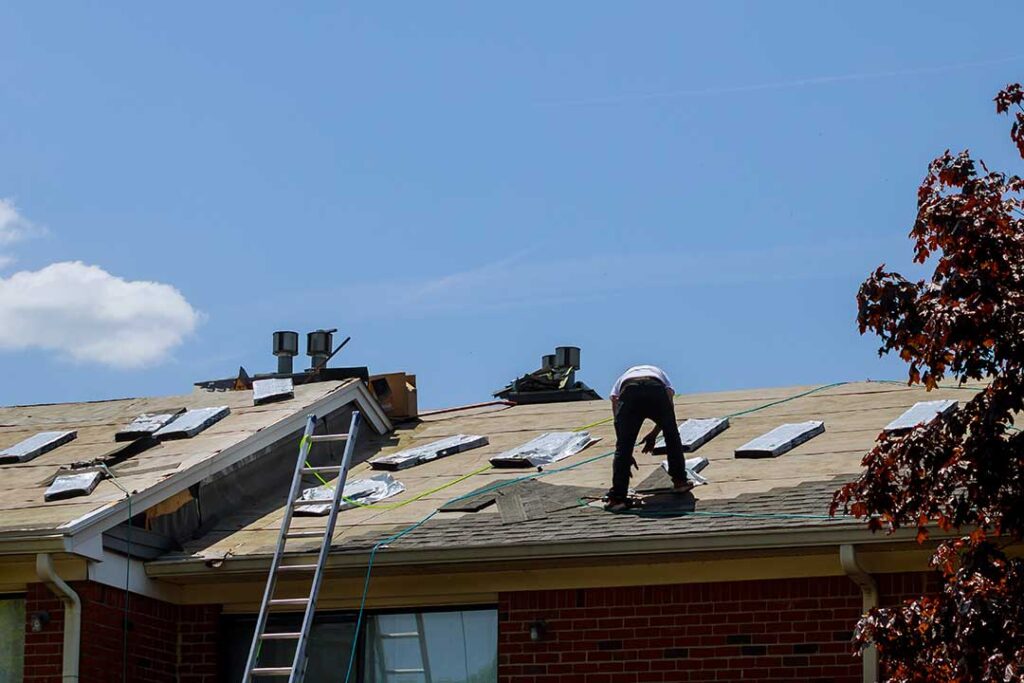
A roof does more than keep rain and snow outside. Its condition can affect indoor moisture, ventilation, insulation, and the amount of dust or biological debris that enters living spaces. For households in Greene, NY, replacing an aging roof may help reduce some indoor allergen sources, especially when the project also corrects leaks, damp insulation, damaged ventilation, or poorly sealed roof openings.
A new roof is not an allergy treatment by itself. However, it can remove conditions that allow mold, mildew, dust, and outdoor particles to accumulate inside the home.
Can a new roof reduce indoor allergens?
Yes, a new roof can reduce certain allergens indirectly by preventing water intrusion and improving the roof system’s ability to manage moisture. Roof replacement may help limit:
- Mold and mildew growth caused by recurring leaks
- Damp insulation that holds dust and biological particles
- Outdoor pollen entering through roof openings
- Insects and pest debris entering through damaged areas
- Dust movement caused by deteriorated roofing materials or attic contamination
The greatest benefit usually comes when the entire roof assembly is evaluated rather than replacing shingles alone. Roofing includes the outer covering, flashing, underlayment, ventilation, drainage, and penetrations around chimneys, vents, and other openings.
How do roof leaks affect indoor air quality?
A leak can create hidden damp areas that are difficult to see from inside the living space. Water may travel along roof framing, settle into insulation, or collect near ceiling materials before a stain appears.
Persistent dampness can support mold growth. Mold releases spores into the air, and these particles may aggravate symptoms in people who are sensitive to them. Common concerns include stuffy noses, sneezing, coughing, irritated eyes, and worsening asthma symptoms.
Roof leaks may also make insulation less effective. Wet insulation can remain damp after the visible leak stops, particularly in poorly ventilated attic spaces. If contaminated insulation is left in place, replacing the roof may not fully resolve the indoor air problem. Moisture-damaged materials may need to be dried, cleaned, or removed according to the extent of the damage.
Why does attic ventilation matter?
Proper attic ventilation helps move heat and moisture out of the roof space. Without adequate airflow, moisture from cooking, bathing, and normal household activities can collect in the attic, especially when air leaks through the ceiling.
In Greene, NY, homes experience changing seasonal conditions, including cold winters, humid summer weather, rain, and wind-driven precipitation. These shifts can expose weaknesses in attic ventilation and air sealing. During cold weather, warm indoor air that reaches the attic may condense on cold roof components. Over time, this can contribute to damp insulation, frost accumulation, wood deterioration, or mold growth.
A roof replacement is an opportunity to check whether:
- Exhaust fans discharge outdoors rather than into the attic
- Soffit and ridge or other approved vents are functioning properly
- Insulation is blocking intended ventilation paths
- Recessed lights, plumbing penetrations, and attic access areas are sealed
- The attic shows signs of condensation or chronic dampness
Ventilation should not be added randomly. Too many or poorly placed vents can reduce performance or allow wind-driven rain to enter.
Can a new roof keep pollen and outdoor dust out?
A sound roof can reduce the number of pathways that allow outdoor particles into the attic and living areas. Damaged roof decking, missing underlayment, deteriorated flashing, and gaps around penetrations may permit wind-driven dust, insects, and plant debris to enter.
Roof replacement may also improve the seal around vents and other roof openings. This matters during spring and summer, when pollen levels can rise and outdoor particles may collect in attic insulation or around air-handling equipment.
Still, most household pollen enters through doors, windows, clothing, pets, and ventilation systems rather than directly through the roof. A new roof may reduce one source without eliminating seasonal allergens throughout the home.
What roofing problems are most likely to contribute to allergens?
Several conditions deserve attention during a roof inspection:
Repeated leaks
A roof that has leaked more than once may have wet sheathing, insulation, framing, or ceiling materials. Repairing only the visible hole may leave moisture behind.
Damaged flashing
Flashing directs water away from roof joints, walls, chimneys, and valleys. Failed flashing can allow slow leaks that remain unnoticed for long periods.
Poorly sealed penetrations
Plumbing vents, exhaust vents, skylights, and other openings can develop gaps. These areas may admit water, dust, insects, or unconditioned air.
Blocked or inadequate ventilation
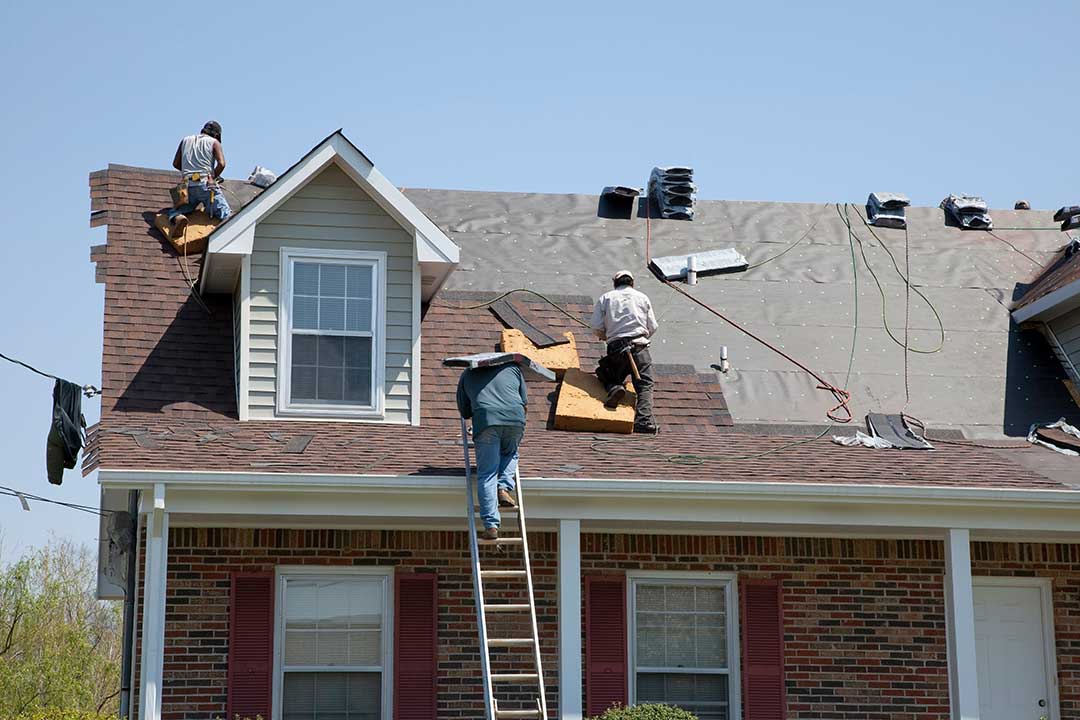
Ventilation problems can cause attic condensation even when the roof covering appears intact.
Deteriorated roof decking
Soft, stained, or weakened decking may indicate long-term moisture exposure. Decking that is affected by mold or rot may require replacement as part of the roofing work.
Does replacing the roof remove mold?
No. Roof replacement can stop a source of moisture, but it does not automatically remove mold that is already present.
If mold is visible or suspected, the affected attic materials and indoor spaces should be evaluated separately. Porous materials such as insulation, drywall, and some wood products may retain contamination. Cleaning methods depend on the material, the amount of growth, and whether the moisture problem has been corrected.
A roof should not be installed over wet, decayed, or contaminated components without addressing the underlying condition. Otherwise, the moisture and air-quality problem may continue beneath the new roofing materials.
What should homeowners check after roof replacement?
Indoor air quality can improve only if the roof work is followed by proper moisture control. After the project, residents can watch for:
- New ceiling stains or bubbling paint
- Musty odors in upper rooms or the attic
- Condensation on roof framing or nails
- Damp or compressed insulation
- Blocked vents or exhaust fans that terminate in the attic
- Water collecting near gutters and roof edges
- Pest activity or droppings in attic spaces
It is also useful to keep indoor humidity at a moderate level, use bathroom and kitchen exhaust fans, and make sure those fans discharge outdoors. These steps help prevent indoor moisture from recreating the conditions that contributed to roof-related problems.
Are there situations where a new roof will not improve allergies?
Yes. A roof replacement may have little effect if the main allergen sources are elsewhere. Common indoor contributors include carpets, upholstered furniture, pets, bedding, dust mites, crawl spaces, duct contamination, and poorly maintained heating or cooling equipment.
A new roof also will not correct an active plumbing leak, basement moisture problem, or inadequate whole-house ventilation. Allergy symptoms may have several causes, so roof condition should be considered one part of the home environment rather than the only explanation.
When is roof replacement more useful than repeated repairs?
Replacement is more likely to help with indoor moisture when leaks are widespread, the roof covering is near the end of its service life, the decking has repeated damage, or ventilation and flashing problems are built into the existing system.
A small, isolated leak may be repairable without replacing the entire roof. However, recurring leaks in different areas can indicate that patching is no longer addressing the larger problem. Safety concerns also matter: damaged roof surfaces, unstable decking, and suspected mold in confined attic spaces should not be handled casually.
For households in Greene, NY, the most meaningful indoor-air benefit comes from a dry, properly ventilated, well-sealed roof system combined with prompt attention to any existing moisture damage. The roof can help protect indoor air, but only when leaks, attic conditions, insulation, and ventilation are addressed together.
