
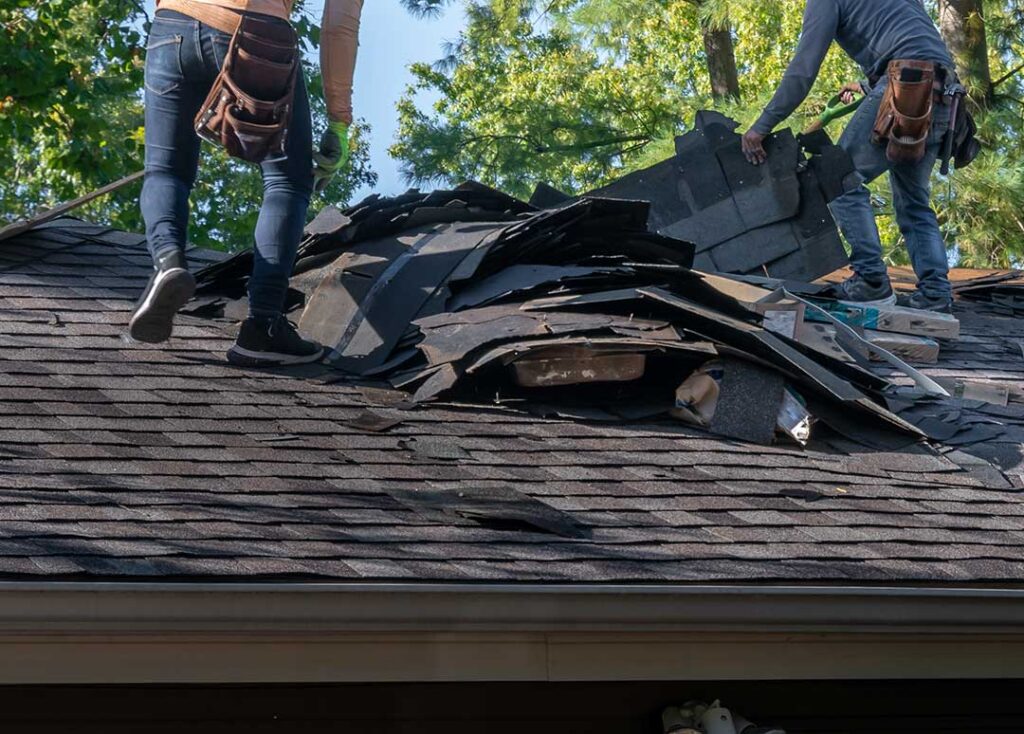
Roofing material affects more than appearance. It influences winter performance, maintenance needs, indoor comfort, replacement cost, and how well a home handles rain, snow, ice, wind, and seasonal temperature changes. For households in Greene, NY, the most suitable choice usually depends on the roof’s slope, the structure’s age, local weather exposure, and how long the owner expects to remain in the home.
Which roofing material is most common for residential homes?
Asphalt shingles are the most common residential roofing material because they offer a practical balance of cost, appearance, installation familiarity, and performance. They are available in basic three-tab styles and heavier architectural styles that create a more dimensional appearance.
Architectural asphalt shingles generally provide better wind resistance and a longer expected service life than entry-level shingles. However, they are still vulnerable to aging caused by repeated heating and cooling, moisture, algae growth, poor attic ventilation, and ice buildup along roof edges.
For many homes, asphalt is a reasonable choice when the existing roof structure is sound and the goal is a familiar, relatively economical system. The main disadvantage is that asphalt shingles typically do not last as long as metal, slate, or tile. Replacement waste is also a consideration because worn shingles are commonly removed and discarded rather than reused.
Are metal roofs a good option in a snowy climate?
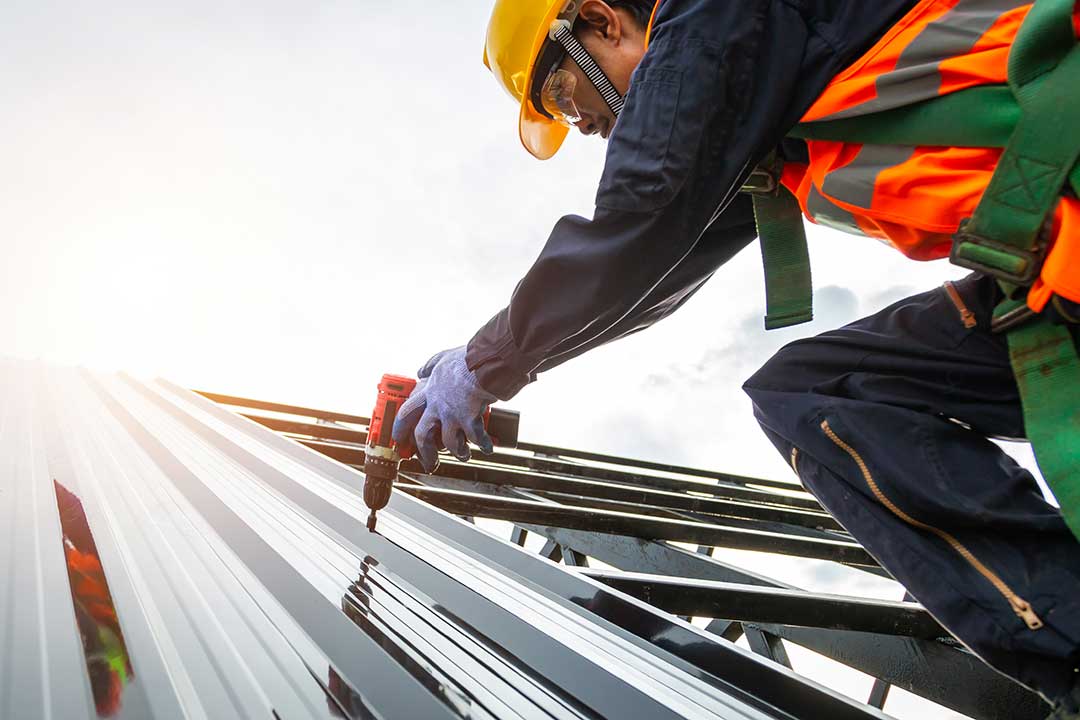
Metal roofing can perform well in areas with snowy winters because smooth panels or interlocking metal shingles allow snow to shed more readily than rougher surfaces. Metal also resists rot, insect damage, and many forms of moisture-related deterioration.
A properly installed metal roof may last several decades, depending on the metal type, coating, design, and maintenance. It can also be installed over some existing roofing systems, although the roof deck and ventilation still need to be evaluated.
The tradeoffs include higher upfront cost, greater sensitivity to installation quality, and the possibility of noise during heavy rain or hail. Snow guards may be useful above entryways, walkways, or areas where falling snow could create a hazard. Metal roofing does not eliminate leaks automatically; exposed fasteners, penetrations, flashing, and poorly sealed transitions can still cause problems.
Metal can also be more difficult to repair invisibly if a panel is damaged. Color fading and surface wear depend on the finish, so appearance may change over time.
What are the advantages and disadvantages of wood shingles and shakes?
Wood shingles and shakes offer a natural appearance that can suit older homes, cottages, and buildings with traditional architectural details. Cedar is commonly chosen because it has some natural resistance to decay and can weather attractively when maintained properly.
The disadvantages are substantial in a damp, snowy climate. Wood roofing requires ventilation, regular inspection, and attention to moss, leaves, moisture retention, and damaged pieces. Shakes are thicker and more textured than shingles, which can make them more durable but also more likely to hold debris and moisture.
Wood roofing may also face stricter fire-related requirements than other materials. It is not a low-maintenance option, and neglect can shorten its service life considerably. Homeowners considering it should check applicable building and insurance requirements before selecting the material.
Is slate roofing worth the weight and expense?
Slate is a natural stone roofing material known for long service life, resistance to fire, and a distinctive appearance. Properly installed slate can last for many decades, making it one of the longest-lasting roofing choices available.
Its main limitation is weight. The roof framing must be capable of supporting it, especially on older homes that were not originally designed for slate. Slate is also brittle. Walking on it incorrectly or allowing branches to strike the roof can cause cracking.
Repairs require matching pieces, suitable fasteners, and specialized knowledge. Even when the slate itself remains usable, flashing, underlayment, and fasteners may eventually need replacement. Slate can be an excellent long-term material for a suitable structure, but it is not interchangeable with standard roofing systems.
How do synthetic roofing materials compare?
Synthetic shingles and panels are manufactured to imitate slate, wood, or other traditional materials. They are often lighter than natural slate and may be easier to handle during installation. Some products also offer resistance to impact, moisture, and fire.
Performance varies widely by product design and installation method. A synthetic roof may provide the desired appearance without requiring the structural reinforcement associated with heavy slate, but it may not have the same proven service history as natural materials that have been used for generations.
Homeowners should pay attention to warranty conditions, temperature limitations, color stability, repair procedures, and whether individual pieces can be replaced. A material that looks attractive at installation may be less practical if replacement pieces are difficult to match later.
What about clay or concrete tile?
Tile roofing is durable, fire-resistant, and visually distinctive. Concrete tile is generally less expensive than clay tile, while clay can have a very long service life in suitable conditions.
The major concern is weight. Like slate, tile may require roof framing that can support the load. Individual tiles can crack from impact, mishandling, or repeated freeze-thaw stress. The underlayment and flashing beneath the tile are also critical because the visible tile is not the only layer protecting the building.
Tile is more common on certain architectural styles than on typical northern residential roofs. It can work well when the structure, roof slope, detailing, and climate exposure are appropriate, but it is rarely a simple substitute for asphalt shingles.
Which materials handle wind, ice, and freeze-thaw cycles best?
No roofing material is immune to storm damage. Performance depends on the material, fastening pattern, roof design, flashing, ventilation, and installation quality.
For local homes, useful questions include:
- Can the material tolerate repeated freezing and thawing?
- Will snow slide unexpectedly from the roof?
- Are valleys, chimneys, skylights, and wall intersections properly detailed?
- Can damaged sections be repaired without replacing an entire roof plane?
- Will the material remain secure during strong wind?
- Is the attic adequately ventilated to reduce heat and moisture buildup?
Ice dams are often blamed on roofing material alone, but they usually involve heat loss, uneven roof temperatures, snow cover, and drainage conditions. A premium material will not solve an attic ventilation or insulation problem by itself.
Is the cheapest roofing material the most economical?
Not necessarily. Initial price is only one part of roof cost. A lower-cost material may be sensible when the home is being prepared for near-term resale or when the roof structure limits heavier options. A longer-lasting material may be more economical over several decades if maintenance and replacement costs are manageable.
Other factors include:
- Roof size and complexity
- Number of valleys and penetrations
- Existing deck condition
- Flashing replacement
- Ventilation improvements
- Ice and water protection
- Ease of future repairs
- Disposal of the old roofing
- Compatibility with the home’s structure and appearance
A simple roof covered with a moderate-cost material may outperform an expensive material installed over a weak deck or with poor flashing.
How should a homeowner compare roofing materials?
Start with the building rather than the product brochure. Determine the roof’s slope, framing capacity, drainage pattern, ventilation, and exposure to trees or prevailing wind. Then compare materials based on expected service life, repairability, winter behavior, maintenance, weight, and total installed cost.
For older homes, hidden conditions often matter more than the visible shingles. Soft decking, outdated flashing, insufficient ventilation, and previous layers of roofing can change the practical choice.
Safety and code questions deserve special attention when the roof is steep, damaged, structurally questionable, or being changed to a heavier material. In those situations, evaluation by a qualified roofing or building professional is appropriate because the risks involve falls, structural loading, and water intrusion.
The best roofing material is not the one with the longest advertised lifespan. It is the material that suits the home’s structure, roof design, weather exposure, maintenance expectations, and long-term plans.
