
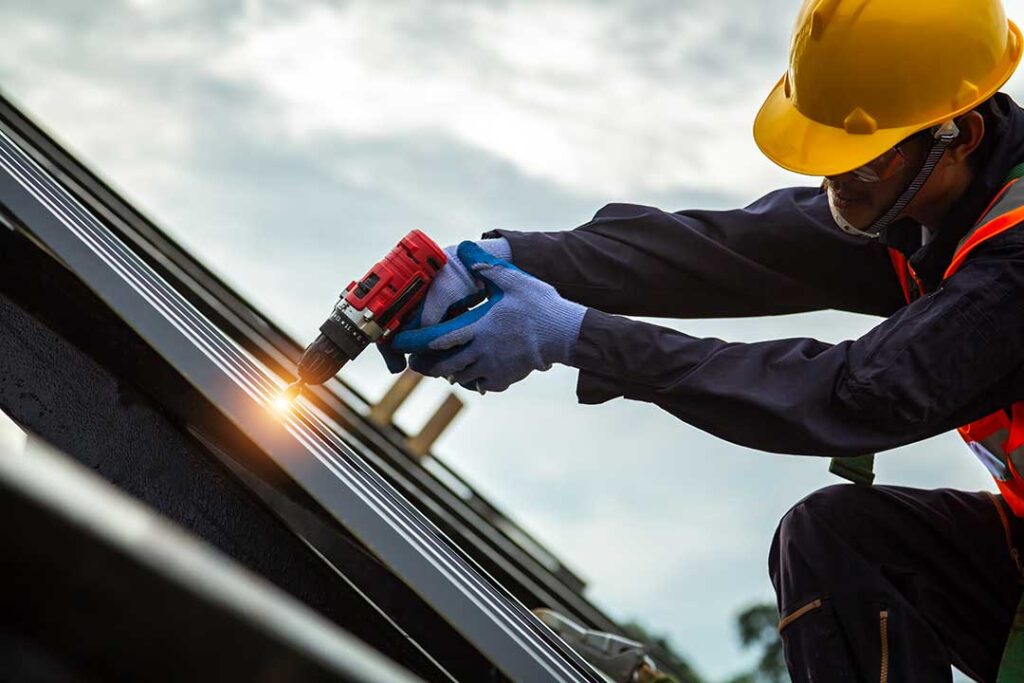
Roof repairs often look simple from the ground, but small mistakes can lead to leaks, damaged sheathing, mold, or falls. In Greene, NY, seasonal snow, ice, wind, rain, and freeze-thaw cycles can expose weaknesses quickly, especially on older homes and roofs with several layers of past repairs.
Understanding the most common repair errors helps residents decide what can be observed safely from the ground, what requires careful maintenance, and what conditions should not be handled without proper training and equipment.
What is the most common roof repair mistake?
The most common mistake is treating the visible symptom instead of finding the source of the water. A ceiling stain, for example, may appear several feet away from the actual roof leak because water can travel along rafters, decking, insulation, or interior framing before entering the room.
A dark mark on a ceiling does not always identify the damaged shingle directly above it. Possible causes include:
- Damaged or missing shingles
- Worn flashing around chimneys, vents, or roof edges
- Blocked valleys
- Ice-related water backup
- Failed sealant
- Condensation caused by poor attic ventilation
- Leaks around plumbing vent penetrations
Covering an interior stain with paint or applying roofing cement to the first suspicious spot may hide the evidence temporarily without stopping the water. After wet weather, the attic and roof area should be evaluated as a connected system rather than as a single isolated defect.
Why is patching over old roofing material risky?
Patching over deteriorated materials can create a short-term barrier while allowing deeper damage to continue. New shingles or sealant cannot restore rotten roof decking, weakened flashing, or areas where the underlying surface has lost its ability to hold fasteners.
Layering repairs may also make future inspections more difficult. A roof can eventually develop uneven surfaces, trapped moisture, exposed fasteners, and inconsistent drainage. In colder weather, these irregularities may contribute to ice buildup or water backing up beneath the roofing.
A patch can be reasonable for a small, clearly defined defect when the surrounding materials remain sound. It becomes less reliable when:
- Several nearby shingles are brittle or curling
- The roof has repeated leak repairs
- The decking feels soft or appears stained from below
- Flashing has separated from masonry or framing
- Water has entered insulation or interior walls
- The same location leaks after multiple repairs
The age and overall condition of the roof matter as much as the size of the visible hole.
What mistakes happen during shingle replacement?
Replacing shingles without matching the repair to the existing roof can create avoidable problems. Shingles must be installed with the correct exposure, alignment, fastening pattern, and overlap. Nails placed too high, too low, or at the wrong angle may fail to secure the shingle or may remain exposed to weather.
A frequent error is reusing old flashing that has already corroded, warped, or pulled away. Shingles and flashing work together; replacing one while ignoring the other can leave a weak point around chimneys, wall intersections, skylights, and roof penetrations.
Another problem is installing new material over a damp or dirty surface. Moisture trapped beneath a repair can slow drying and contribute to decay. Loose granules, leaves, ice, and old sealant should not be treated as a suitable foundation for a permanent repair.
Color matching is also less important than material condition. A visually similar shingle does not necessarily have the same dimensions or installation requirements as the existing product.
Is roofing cement a permanent repair?
Usually, roofing cement is a temporary sealing material rather than a complete repair. It may help hold down a loose tab or cover a small exposed fastener, but thick applications can crack, shrink, or separate as temperatures change.
Heavy use of cement can also make later repairs more difficult. It may conceal the location of a leak, trap moisture, or prevent flashing from moving naturally as the roof expands and contracts.
Sealant should not replace damaged flashing, missing shingles, deteriorated underlayment, or failed metal components. If a repair depends on a large amount of exposed sealant, that is often a sign that the underlying detail needs closer inspection.
Why should roof leaks not be repaired only from inside the attic?
An attic inspection can help locate wet insulation, stained wood, daylight, or water trails, but it does not repair the exterior entry point. Water may have traveled before reaching the attic, and a dry attic does not always prove that the roof is sound.
Some leaks appear only during wind-driven rain, melting snow, or rapid temperature changes. Others enter around flashing and move along framing before becoming visible. Interior repairs such as replacing drywall or insulation should wait until the exterior source has been addressed and the area has had time to dry.
Residents should use caution around attic wiring, nails, unstable decking, and insulation. Walking only on visible framing is safer than stepping between rafters, but attic access is still hazardous when visibility is poor or the structure is damaged.
What seasonal mistakes are common in Greene, NY?
Cold-weather repairs can fail when surfaces are wet, icy, frozen, or covered with snow. Roofing materials may become brittle, adhesives may not bond properly, and foot traffic can damage shingles that would tolerate normal conditions in warmer weather.
Snow removal is another area where mistakes are common. Scraping aggressively can remove protective granules, crack shingles, damage flashing, or pull loose gutters. Snow and ice should never be cleared in a way that places a person beneath falling material or on an unstable roof surface.
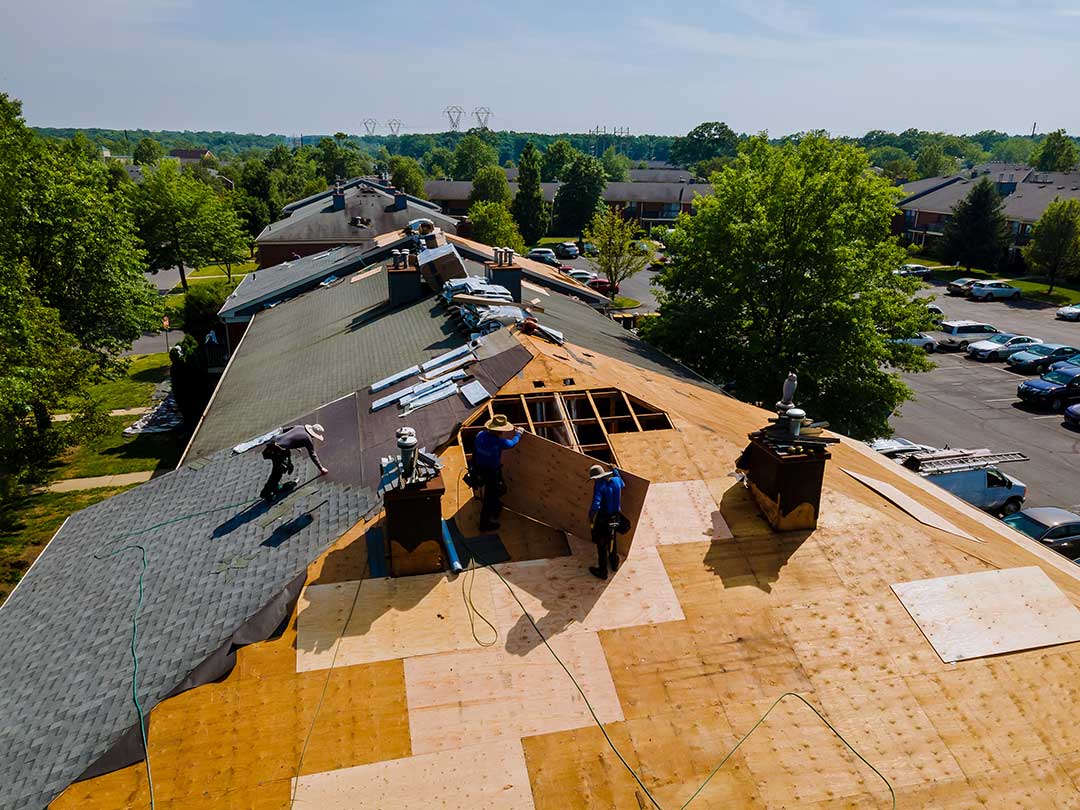
Ice dams may cause water to back up beneath shingles, but removing visible ice alone does not correct the heat and ventilation conditions that contributed to the problem. Attic insulation, air sealing, roof ventilation, and drainage all affect how a roof handles winter weather.
After strong wind, residents should inspect from the ground for missing shingles, exposed underlayment, bent metal, or debris. Climbing onto a roof to investigate storm damage can create more risk than information.
Can gutters cause roof leaks?
Yes. Gutters do not usually create a roof defect by themselves, but blocked, sagging, or poorly draining gutters can contribute to water entering at roof edges, fascia, soffits, and foundation-adjacent areas.
Common gutter-related mistakes include:
- Ignoring leaves and sediment until water overflows
- Allowing downspouts to discharge against the building
- Fastening gutters into rotted fascia
- Assuming gutter guards eliminate all maintenance
- Failing to check drainage after roof or landscaping changes
During heavy rain, overflowing water can run behind the gutter or down exterior walls. In winter, repeated freezing and thawing may worsen loose fasteners and damaged edge materials.
When is a roof repair unsafe to perform?
A repair should not be attempted from a ladder or roof surface when there is ice, active rain, strong wind, unstable decking, steep pitch, poor visibility, or nearby electrical hazards. Falls are not the only concern; hidden structural damage can cause a person to break through the roof surface.
Extra caution is needed around chimneys, skylights, valleys, roof edges, and areas with moss or wet leaves. Emergency conditions such as a large opening, sagging roof section, water near electrical components, or rapidly spreading interior damage require immediate safety measures indoors and qualified evaluation of the structure.
The safest first step is often documenting the condition from the ground, placing containers under active drips, moving valuables away from wet areas, and keeping people away from compromised ceilings or roof sections.
How can homeowners avoid repeat repairs?
A durable repair begins with identifying the full path of water, checking adjacent materials, and considering the roof’s age and history. Keep records of leaks, storm damage, repairs, and attic moisture so recurring patterns are easier to recognize.
Routine observations from the ground can include:
- Missing, lifted, or cracked shingles
- Sagging gutters or separated downspouts
- Rusted or displaced flashing
- Excessive granules in downspout discharge
- Damp attic insulation or musty odors
- Ceiling stains that grow after rain or thawing
Prompt attention is useful, but speed should not replace caution. A small, accurately diagnosed repair is generally more reliable than repeated patches applied without understanding why water entered in the first place.
