
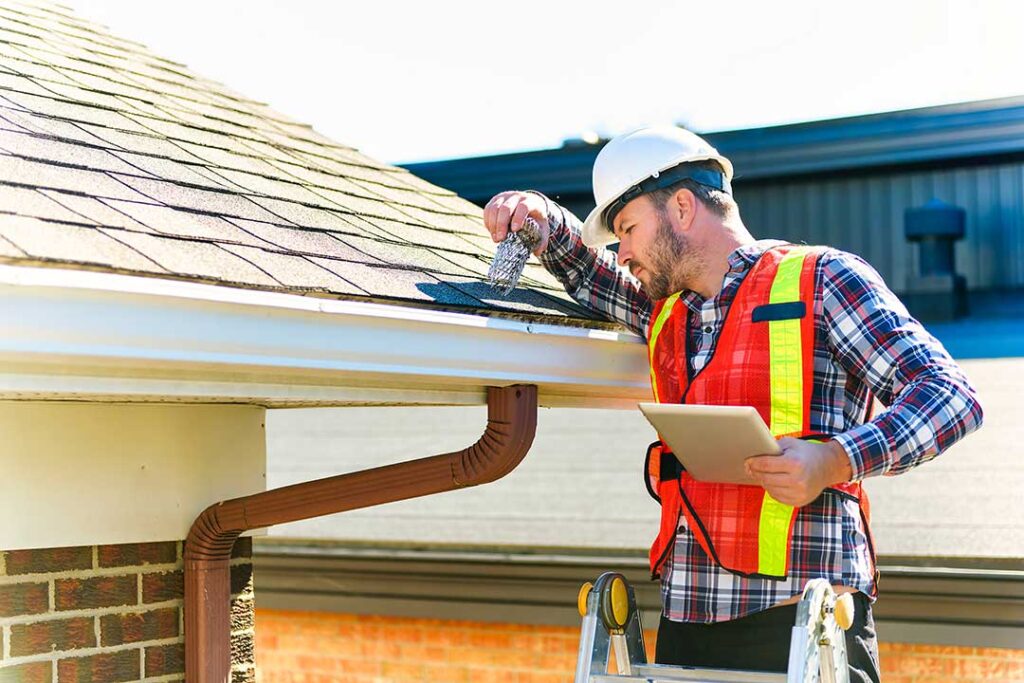
Regular roof maintenance helps prevent minor defects from becoming interior water damage, insulation problems, structural deterioration, or premature roof replacement. For households in Greene, NY, routine attention is especially useful because roofs must handle snow, ice, wind, heavy rain, falling branches, and repeated freeze-thaw cycles.
Maintenance does not mean replacing a roof before it is needed. It means observing its condition, keeping drainage paths clear, correcting small problems promptly, and understanding how seasonal weather affects the roofing system.
Why does regular roof maintenance matter?
The main benefit is early detection. A missing shingle, lifted flashing edge, clogged gutter, or small puncture may not cause an obvious leak immediately. Water can travel beneath the roof covering and reach insulation, ceilings, wall cavities, or framing before staining appears indoors.
Routine inspections can identify:
- Damaged, missing, curled, or loose shingles
- Exposed fasteners or deteriorated sealant
- Cracked flashing around chimneys, skylights, vents, and wall intersections
- Sagging roof areas
- Blocked gutters and downspouts
- Moss, algae, leaves, and other debris
- Signs of attic moisture or poor ventilation
A roof that appears acceptable from the ground may still have problems in areas that are difficult to see. Early correction is generally less disruptive than addressing a leak after it has affected interior finishes.
How does maintenance protect a home from water damage?
A roof is part of a larger water-management system. Shingles or other roof coverings shed most precipitation, while flashing directs water around vulnerable joints. Gutters and downspouts then move runoff away from walls and foundations.
If any part of this system is blocked or damaged, water may collect where it should not. Overflowing gutters can wet fascia boards, siding, window trim, and foundation areas. Damaged flashing can allow water into roof penetrations. Debris can hold moisture against roofing materials and accelerate deterioration.
Keeping gutters clear is particularly helpful during autumn leaf fall and before winter weather. Downspouts should discharge water far enough away from the foundation to prevent repeated saturation near the building.
Can maintenance extend the useful life of a roof?
Yes, although maintenance cannot stop normal aging or make an old roof new again. It can reduce avoidable wear and help roofing materials perform closer to their expected service life.
Debris that remains on a roof can trap moisture and encourage surface deterioration. Overhanging limbs may scrape roofing materials during wind. Small openings around flashing can expand as temperatures change. Addressing these conditions reduces the chance that one isolated weakness will develop into a larger failure.
Roof life also depends on installation quality, material type, attic ventilation, roof slope, exposure to sunlight, storm history, and the age of the system. Maintenance is therefore most useful when it includes a realistic assessment of the roof’s overall condition rather than focusing only on visible surface defects.
What should Greene residents check before winter?
Before snow and ice arrive, a basic roof review should focus on drainage, penetrations, and storm-related damage. Local winters can bring heavy snow, freezing temperatures, strong winds, and periods of melting followed by refreezing. These conditions place additional stress on roof coverings, flashing, gutters, and attic ventilation.
Useful pre-winter checks include:
- Looking for loose or missing roofing materials
- Clearing leaves and organic debris from gutters
- Confirming that downspouts are open and securely connected
- Checking visible flashing around chimneys, vents, and skylights
- Trimming branches that could fall or scrape across the roof
- Looking for damp insulation, frost, or mold-like staining in the attic
- Checking whether bathroom and kitchen exhaust vents discharge outdoors rather than into the attic
Snow should not normally be removed from a roof by walking on it. Wet roofs, ice, steep slopes, and hidden weak areas create serious fall risks. Improper use of tools can also damage shingles, membranes, flashing, and gutters. Snow loads that appear excessive, roof sagging, or a sudden structural concern require prompt attention because the condition may be hazardous.
How does attic ventilation relate to roof maintenance?
A roof can have sound exterior materials and still suffer from attic moisture problems. Warm, humid air from the living space may enter the attic through gaps around light fixtures, wiring, plumbing, or access panels. If the attic is poorly ventilated or inadequately insulated, moisture can condense on roof sheathing and fasteners.
Over time, this may contribute to:
- Damp or compressed insulation
- Wood deterioration
- Mold-like growth
- Rusted fasteners
- Peeling paint or ceiling stains
- Ice buildup along roof edges during cold weather
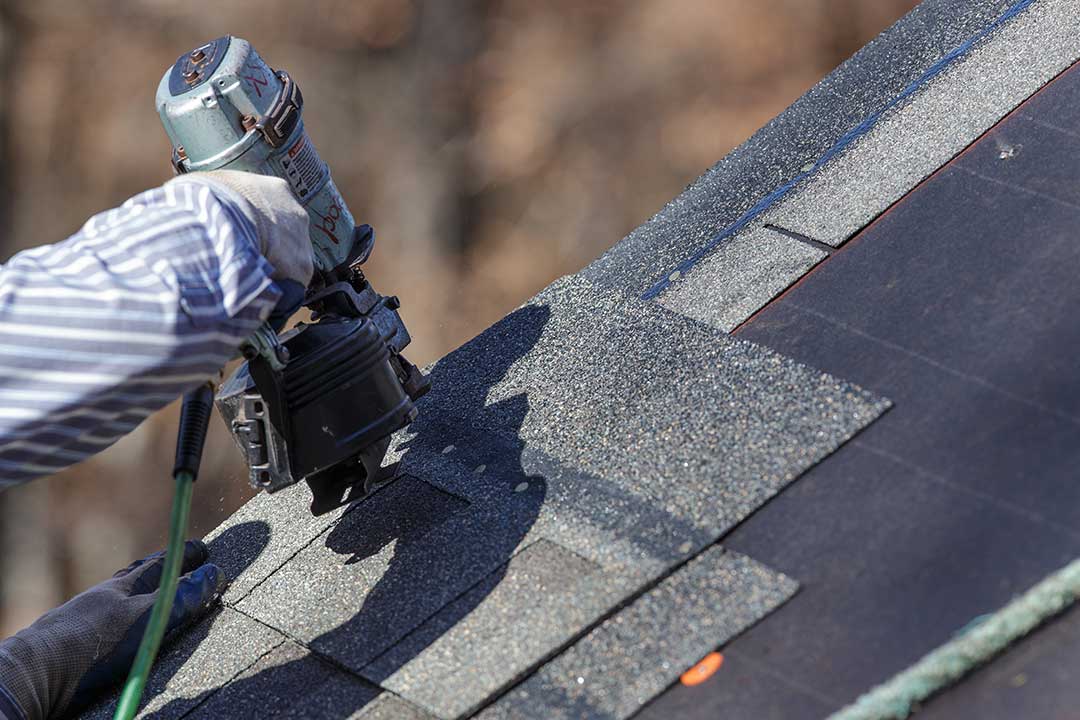
Ventilation alone does not solve every moisture problem. Air sealing, insulation levels, bathroom exhaust, and indoor humidity also matter. A winter attic inspection can be misleading if it is performed during unusual weather, so signs should be considered over time rather than judged from a single visit.
How often should a roof be inspected?
A practical schedule is to look over the roof and drainage system at least twice a year: once in spring and again in early fall. Additional checks are sensible after high winds, heavy rain, significant snowfall, ice events, or nearby tree damage.
A ground-level inspection can identify many concerns safely. Binoculars may help reveal lifted shingles or damaged flashing without requiring anyone to climb onto the roof. Interior checks are also valuable. Look in attic spaces and upper-level rooms for:
- New water stains
- Damp or musty odors
- Dripping during rain
- Daylight visible through roof boards
- Sagging ceilings
- Blistered paint or damaged trim
The age of the roof should influence how closely it is monitored. Older systems, roofs with a history of leaks, and areas with repeated storm exposure may need more frequent evaluation.
Which maintenance tasks are safe to do personally?
Some basic tasks are reasonable for homeowners if they can be completed from the ground or from a stable, safe location. These may include observing the roof with binoculars, removing accessible gutter debris, checking attic conditions, keeping records of leaks, and trimming small branches well away from overhead hazards.
Roof access becomes more dangerous when surfaces are wet, icy, steep, fragile, or close to electrical equipment. Walking on roofing materials can also cause damage that is not immediately visible. Any task involving a steep roof, structural weakness, extensive storm damage, or uncertain footing should not be treated as a routine do-it-yourself project.
New York property-maintenance requirements also place responsibility on building owners to keep roof drainage components in good repair and free of obstructions. Local rules may apply to roofing replacement or recovery work, so permit requirements should be checked before major alterations begin.
What is the difference between maintenance and repair?
Maintenance preserves existing conditions; repair corrects a known defect. Cleaning gutters, removing leaves, observing flashing, and monitoring attic moisture are maintenance activities. Replacing damaged shingles, correcting failed flashing, repairing a leak, or rebuilding deteriorated roof edges are repairs.
The distinction matters because a roof can look clean while still needing repair. Conversely, a roof may have surface discoloration that does not indicate an active leak. Accurate decisions depend on locating the source of a problem, understanding how water moves, and considering the condition of the underlying materials.
Regular maintenance is most valuable when it creates a record of changes. Dated photographs, notes about leaks, and observations after storms can help reveal whether a concern is stable, worsening, or connected to a seasonal pattern.
