
A roof usually does not fail all at once. More often, aging materials gradually lose their ability to shed water, resist wind, and protect the roof deck. For homeowners in Greene, NY, seasonal snow, ice, wind, freeze-thaw cycles, and summer heat can all affect how quickly that process develops.
The decision to replace a roof should be based on its age, visible condition, repair history, and the condition of the underlying structure—not on a single missing shingle or isolated stain.
How long does a typical roof last?
An asphalt shingle roof commonly lasts about 15 to 30 years, although actual service life varies. Installation quality, ventilation, roof slope, attic moisture, storm exposure, shade, and maintenance all influence how long the materials remain dependable.
A roof that is approaching the later part of its expected life deserves closer attention, even if it is not leaking. Older shingles may still look acceptable from the ground while becoming brittle, losing protective granules, or allowing water to reach vulnerable areas.
The original installation date may be listed in closing documents, inspection reports, permits, receipts, or home-maintenance records. If the age is unknown, the condition of the shingles, flashing, valleys, and attic can provide useful clues.
What are the clearest signs that a roof needs replacement?
The strongest warning signs are widespread rather than isolated. A roof is more likely to need replacement when several of these conditions appear together:
- Shingles are curling, cracking, blistering, or becoming brittle.
- Large areas have lost their colored mineral granules.
- Shingles are missing, loose, or repeatedly lifted by wind.
- The roof surface appears uneven, sagging, or wavy.
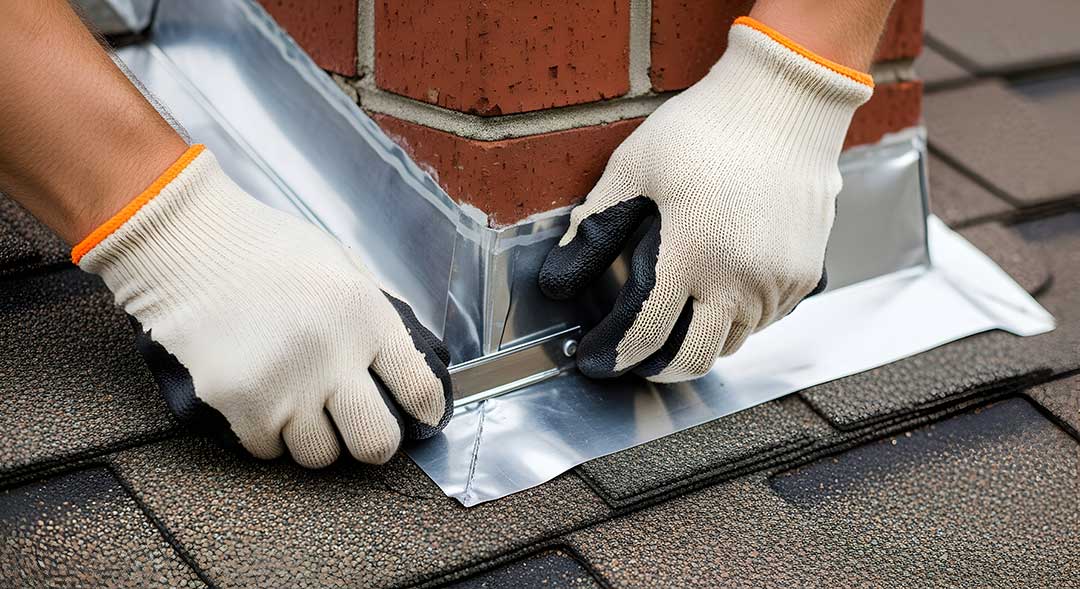
- Flashing around chimneys, vents, walls, or skylights is failing.
- Leaks have occurred in multiple areas or keep returning after repairs.
- Moss, algae, or organic growth is covering substantial portions of the roof.
- The roof is near or beyond its expected service life.
- Repairs are becoming frequent compared with the roof’s remaining usefulness.
A few damaged shingles do not automatically mean the entire roof must be replaced. Localized damage may be repairable when the surrounding materials remain flexible, well-adhered, and watertight. Replacement becomes more likely when damage is widespread or when repairs cannot restore reliable water protection.
Do roof leaks always mean the roof must be replaced?
No. A leak can result from a failed flashing joint, a damaged vent boot, a blocked drainage path, ice-related water backup, or a small area of storm damage. These problems may sometimes be corrected without replacing the entire roof.
The more useful question is whether the leak is isolated or part of a larger pattern. Repeated leaks, stains in multiple rooms, damp insulation, rotted roof decking, or water entry after ordinary rainfall suggest that the roofing system may be nearing the end of its service life.
Water stains should not be ignored simply because they dry out. Moisture can damage insulation, framing, ceilings, and electrical components. A stain that appears during heavy rain or after snow and ice may point to a roof problem that is not visible from inside the attic.
What should homeowners look for in the attic?
The attic can reveal problems before they become obvious inside the living space. Inspect only from a safe location and avoid walking on the roof structure unless the area is designed for foot traffic.
Look for:
- Damp or darkened roof sheathing.
- Rotted or softened wood.
- Daylight visible through the roof deck.
- Wet or compressed insulation.
- Rust around fasteners or metal components.
- Mold-like growth or persistent musty odors.
- Frost on the underside of the roof deck during cold weather.
- Water trails near valleys, vents, chimneys, and roof edges.
Not every attic moisture problem means the roof covering itself has failed. Poor ventilation, air leakage from the living space, inadequate insulation, or bathroom exhaust directed into the attic can also create condensation. A complete evaluation should distinguish between a roof leak and an indoor moisture problem.
How do snow and ice affect roofs in Greene?
The local winter climate can put repeated stress on roof systems. Snow adds weight, while freeze-thaw cycles can loosen materials, enlarge small cracks, and expose weaknesses around flashing and roof edges.
Ice dams are another concern. They can form when heat escapes into a cold attic and melts snow on the warmer upper roof. The water may refreeze near colder eaves, creating a barrier that allows later meltwater to move beneath shingles.
Ice dams do not always mean the roof covering must be replaced. They may be related to attic insulation, air sealing, ventilation, or drainage. However, repeated ice-related leaks can damage the roof deck and interior finishes. A replacement project should address the conditions that contributed to the problem rather than simply installing new shingles over the same weakness.
New roof work in New York must also account for code requirements related to underlayment, flashing, and ice barriers where applicable. These protective layers are especially relevant in areas that experience recurring snow and ice formation.
Is it better to repair or replace an aging roof?
Repair is generally more reasonable when the roof is relatively young, the damage is limited, and the rest of the system remains in good condition. Replacement deserves consideration when the roof is old, repairs are recurring, or the underlying deck and moisture-control details are deteriorating.
A useful comparison includes more than the immediate repair price. Consider:
- The roof’s remaining expected life.
- The number and location of past repairs.
- Whether matching shingles are still available.
- The condition of flashing and roof penetrations.
- Any damage to decking or framing.
- Attic ventilation and insulation problems.
- Whether another severe-weather season could expose additional weaknesses.
A low-cost repair may be sensible for a small, isolated defect. Repeatedly repairing an aging roof can become less practical if each repair addresses only one symptom while the broader system continues to decline.
Can a new roof be installed over the old one?
In some situations, a second layer of roofing may be permitted, but that does not make it the best choice for every home. Existing shingles can hide damaged decking, deteriorated flashing, trapped moisture, or uneven surfaces. Additional layers also increase roof weight and may affect how well the new material performs.
A full replacement generally provides a better opportunity to inspect the roof deck, replace damaged materials, improve flashing, and correct ventilation or ice-dam conditions. Whether an overlay is allowed depends on the existing roof, the proposed material, structural considerations, and applicable code requirements.
When should roof replacement be planned?
The safest time to plan replacement is before active leaking begins. If the roof is old and showing widespread wear, waiting for a major storm can create avoidable interior damage and make temporary protection necessary.
For households in Greene, planning before winter is often practical because cold temperatures, snow, and ice can complicate roof work and make defects harder to identify. Spring and summer inspections can reveal storm damage, while an early fall review allows time to address problems before repeated snow and freeze-thaw conditions begin.
Urgent attention is warranted when the roof is visibly sagging, water is entering during rain, large sections are missing, electrical components are wet, or the attic structure appears damaged. These conditions may involve safety risks beyond ordinary roof maintenance.
