

A professional roof inspection is a careful evaluation of the roof system, attic, drainage features, and visible signs of water entry. It is not limited to looking for missing shingles. The goal is to identify current damage, early warning signs, maintenance concerns, and conditions that may shorten the roof’s service life.
For homeowners in Greene, NY, inspections can be especially useful after winter weather, strong wind, heavy rain, or repeated freeze-thaw cycles. Roof problems are often easier and less expensive to address when they are found before staining, rot, or interior damage develops.
What happens before the inspection begins?
The inspection usually starts with questions about the property and any concerns noticed by the occupants. Information about the roof’s age, past repairs, leaks, ice buildup, storm exposure, or attic moisture can help focus the evaluation.
A roof inspector may ask about:
- The approximate installation date
- Any previous leaks or repairs
- Ceiling stains, peeling paint, or damp odors
- Unusual heating or cooling costs
- Recent wind, snow, or hail exposure
- Whether gutters overflow or ice forms along the eaves
This conversation matters because some roof defects are not visible from the ground. A small ceiling mark, for example, may point to water traveling along roof framing before entering the living space.
Does the inspector walk on the roof?
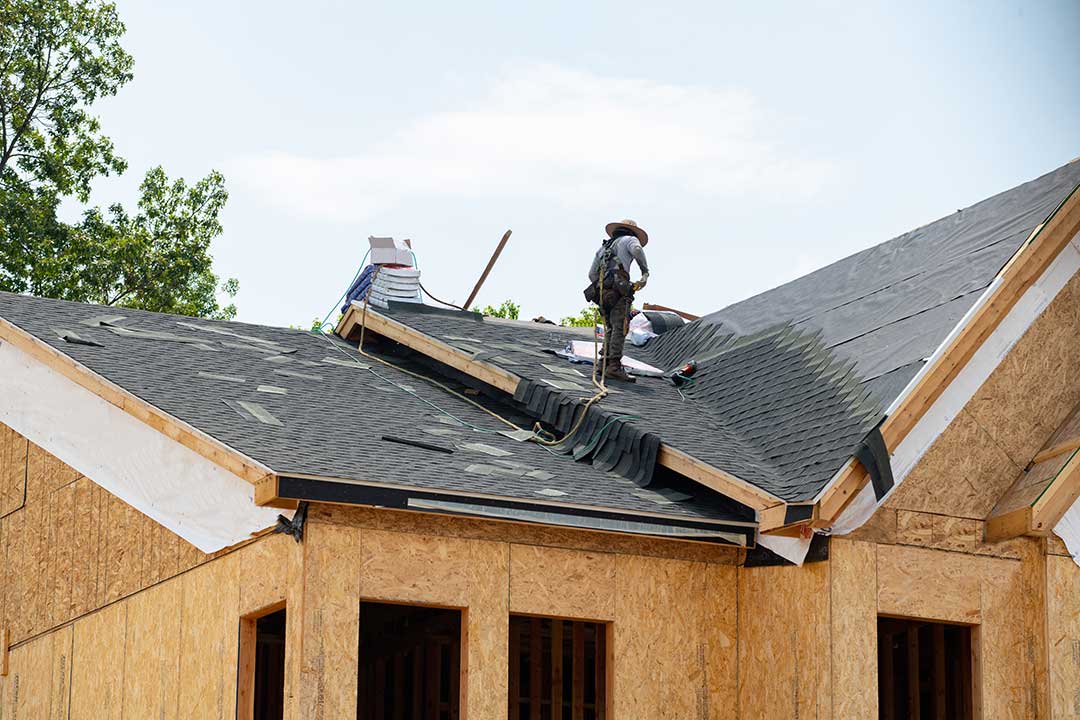
Sometimes, but not always. A roof inspection should be performed in a way that protects both the inspector and the roofing materials.
The inspector may use a combination of:
- Ground-level observation
- Ladder access
- Roof-surface examination
- Attic inspection
- Binoculars or other visual tools
- Photographs of specific conditions
Walking on a roof may be unsafe if the surface is wet, icy, steep, fragile, or covered with moss. Older shingles can also crack under foot traffic. A responsible inspection does not require stepping on every part of the roof if conditions make that unsafe or likely to cause damage.
An inspection that is primarily visual may identify obvious conditions but cannot uncover concealed problems inside roof assemblies or under finished surfaces. The report should make clear what areas were accessible and what areas were not.
What does the exterior roof inspection cover?
The exterior portion focuses on the roof covering and the components that protect the structure from rain and snow.
The inspector commonly checks for:
- Missing, loose, cracked, curled, or lifted shingles
- Exposed fasteners or deteriorated sealant
- Granule loss and unusual wear patterns
- Sagging areas or uneven roof planes
- Damaged flashing around penetrations and edges
- Conditions around chimneys, skylights, vents, and wall intersections
- Moss, algae, or debris that may hold moisture
- Signs of wind damage
- Openings where animals or water could enter
The inspector also looks at roof edges, valleys, and areas where different roof surfaces meet. These locations handle concentrated water flow and are more vulnerable to failed flashing or improper drainage.
A few damaged shingles do not always mean the entire roof needs replacement. The significance depends on the location, extent, age of the materials, condition of the underlying layers, and whether water has reached the structure below.
Why are gutters, downspouts, and drainage included?
Roof water must be directed away from the building. For that reason, drainage is a normal part of a roof inspection.
The inspector may look for:
- Gutters that are clogged, sagging, or pulling away
- Downspouts that discharge too close to the foundation
- Overflow marks below roof valleys
- Heavy sediment or shingle granules in gutters
- Ice-damaged edges
- Areas where water ponds or backs up
- Poorly directed runoff near entrances, walls, or lower roof sections
In Greene, winter snow and repeated freezing and thawing can make drainage concerns more noticeable. Ice may push against roof edges, while blocked gutters can increase the chance of overflow and moisture near fascia boards, soffits, siding, or foundation areas.
A gutter problem is not always a roof-covering problem, but both systems affect how water moves around the home.
What is checked inside the attic?
The attic can reveal problems that are not visible from above. It provides a view of the underside of the roof deck, insulation, ventilation, and framing.
The inspection may look for:
- Water stains or darkened wood
- Damp insulation
- Mold-like growth or musty odors
- Rusted nails or fasteners
- Daylight entering through unintended openings
- Sagging or damaged roof decking
- Compressed or uneven insulation
- Blocked soffit vents
- Inadequate or poorly balanced ventilation
- Evidence of animal activity
Not every attic stain means the roof is actively leaking. Some marks come from an older repair, condensation, wind-driven rain, or a plumbing or heating component located above the ceiling. The pattern, moisture level, and surrounding conditions help determine whether the issue is current.
Ventilation is also frequently misunderstood. More ventilation is not automatically better. Intake and exhaust openings need to work together, and vents should not allow snow or rain to enter the attic.
Will a roof inspection identify leaks?
It may identify the source or likely path of a leak, but locating a leak is not always straightforward. Water can travel along decking, rafters, insulation, or interior framing before appearing indoors.
A thorough inspection considers:
- The position of interior staining
- Roof penetrations above or near the stain
- Flashing and valley conditions
- Attic moisture and water trails
- Recent weather patterns
- Whether the roof is dry at the time of inspection
A dry day does not prove that a roof is watertight. Some leaks occur only during wind-driven rain, rapid snowmelt, or a specific direction of rainfall. If the source cannot be confirmed, the inspection report should describe the evidence and the limits of the finding rather than present an unsupported conclusion.
What should the inspection report include?
A useful report explains observations in plain language and separates urgent concerns from routine maintenance.
It may include:
- The areas inspected
- Areas that were inaccessible
- Photographs of notable conditions
- Descriptions of damage or wear
- Possible causes of observed problems
- Whether active moisture was found
- Recommended monitoring or follow-up
- A general assessment of remaining serviceability
The report should not treat every imperfection as an emergency. Normal aging, cosmetic discoloration, isolated maintenance issues, and structural concerns have different levels of significance.
Questions are reasonable when a finding is unclear. Homeowners may want to know whether a problem affects water protection, safety, ventilation, structural integrity, or appearance.
When should a roof be inspected?
An inspection is often useful after severe weather, a suspected leak, visible exterior damage, or work near the roof. It can also be practical before buying or selling a home and as part of routine ownership for an older roof.
Seasonal timing can affect what is visible. After winter, inspectors may find damaged shingles, displaced flashing, gutter movement, or signs of ice-related stress. After summer storms, wind-lifted materials and punctures may be easier to identify.
Safety concerns deserve prompt attention. Active interior dripping, a sagging roof surface, exposed electrical components near water, or significant structural damage should not be ignored. Occupants should avoid entering unsafe attic areas or climbing onto the roof themselves.
A professional inspection does not guarantee that every hidden defect will be found. Its value comes from documenting accessible conditions, identifying warning signs, and helping property owners understand what deserves repair, monitoring, or further evaluation.
