
Which roof style is better for a home?
Neither flat nor sloped roofing is automatically better. The right choice depends on the building’s design, how water and snow move across the roof, available attic space, maintenance expectations, and the budget for both installation and long-term upkeep.
For many traditional homes in Greene, NY, a sloped roof is the more familiar option because its pitch helps shed rain, snow, and ice. Flat roofs can also perform well, especially on additions, garages, porches, commercial-style buildings, and modern homes, but they require careful drainage planning and regular inspection.
The most useful question is not simply which roof looks better. It is which design manages moisture, snow, ventilation, and maintenance most effectively for that particular structure.
What is the difference between a flat roof and a sloped roof?
A sloped roof has a noticeable pitch that allows water to flow downward toward roof edges, valleys, gutters, and downspouts. The slope may be gentle or steep, and different roof coverings are suited to different pitches.
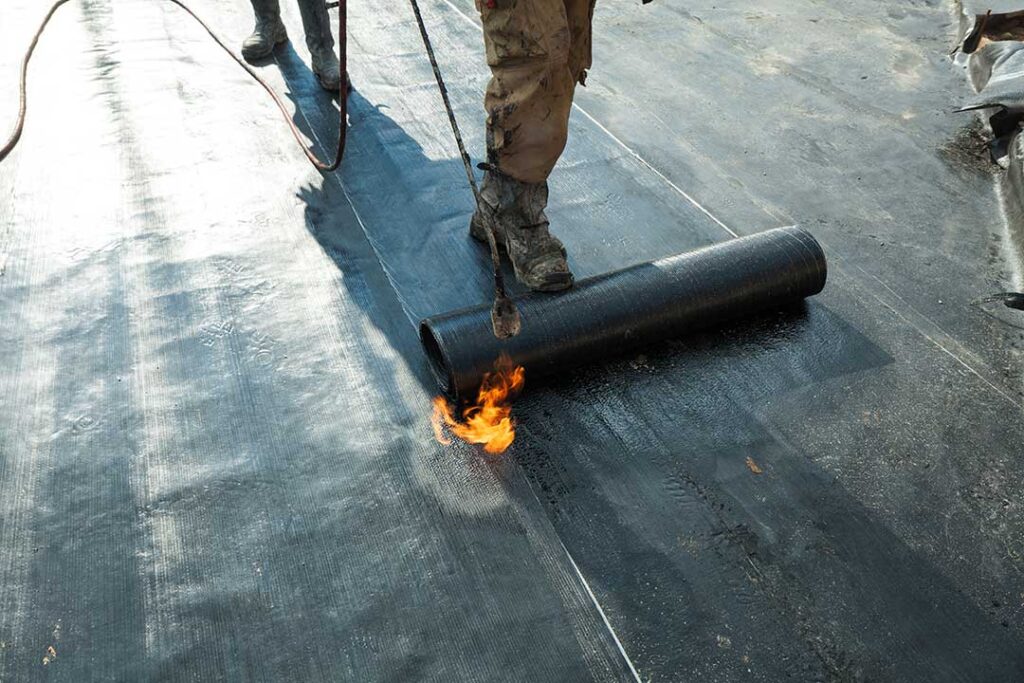
A flat roof is not perfectly level. It is built with a slight slope so water can move toward drains, scuppers, or roof edges. Because the pitch is minimal, the roofing system must rely more heavily on properly designed drainage and watertight layers.
Common features of sloped roofs include:
- Attic space beneath the roof
- Shingles, metal panels, slate, or other pitched-roof coverings
- Gutters and downspouts positioned along roof edges
- Greater visibility from the ground
Flat roofs commonly include:
- A low-slope membrane or layered roofing system
- Internal drains, scuppers, or carefully placed edge drainage
- Equipment or roof access areas in some building designs
- Little or no usable attic space
Why do sloped roofs often work well in Greene, NY?
Sloped roofs generally handle precipitation more naturally because gravity moves water and melting snow toward the roof edge. That can reduce the time moisture remains on the roof surface, provided the gutters, flashing, and drainage paths remain clear.
The region’s seasonal conditions also make roof pitch relevant. Snow, freezing temperatures, wind, thawing cycles, and heavy summer rain can all expose weaknesses in roof design. A properly built sloped roof gives snow fewer opportunities to remain concentrated in one area, although steepness alone does not prevent ice dams or leaks.
Sloped roofs can also offer practical advantages for older homes and houses with finished upper floors. The space beneath the roof may provide room for insulation, ventilation channels, wiring, or storage. However, an attic is only beneficial if it is properly insulated and ventilated. A poorly ventilated attic can contribute to condensation, ice dams, and premature deterioration.
What are the advantages of a flat roof?
Flat roofs can make excellent use of a building’s shape. They are often suitable for one-story additions, attached garages, porches, workshops, and structures designed with clean, horizontal lines.
A flat or low-slope roof may provide:
- A simpler exterior profile
- Easier access for certain inspections or maintenance tasks
- Space for rooftop equipment where permitted and properly supported
- Efficient use of materials on some low-profile structures
- Compatibility with modern architectural designs
Flat roofs may also be practical where a traditional pitched roof would create unnecessary height or interfere with an addition’s proportions.
The main limitation is drainage. A flat roof must be constructed with consistent slope, reliable drainage outlets, durable edge details, and watertight penetrations around vents or equipment. Even a small area of standing water can become a concern if it remains for extended periods or repeatedly freezes and thaws.
Which roof style handles snow and ice better?
A sloped roof usually sheds snow and melting water more readily, but that does not mean it is immune to winter problems. Roof pitch, insulation, attic ventilation, air leakage, roof orientation, and nearby trees all influence performance.
Flat roofs tend to retain more snow because they lack a pronounced slope. The structure must be designed to carry expected loads, including uneven accumulation caused by wind or drifting. Snow should not be removed casually, since walking on a roof or using unsuitable tools can damage the roof surface or create a safety hazard.
Ice dams are another issue. They form when heat escapes into the attic, melts snow on the warmer upper roof, and allows water to refreeze near colder eaves. Improving insulation and air sealing is often more useful than simply removing visible ice. Properly installed roof ventilation can also help maintain more consistent roof temperatures.
Which option requires more maintenance?
Maintenance depends more on workmanship, materials, drainage, nearby trees, and roof details than on roof shape alone. Still, flat roofs generally require closer attention to drainage and surface conditions.
A flat-roof inspection should look for:
- Blocked drains or scuppers
- Ponding water
- Open seams or damaged membrane
- Cracked flashing
- Deterioration around vents and penetrations
- Areas where snow, branches, or equipment create unusual stress
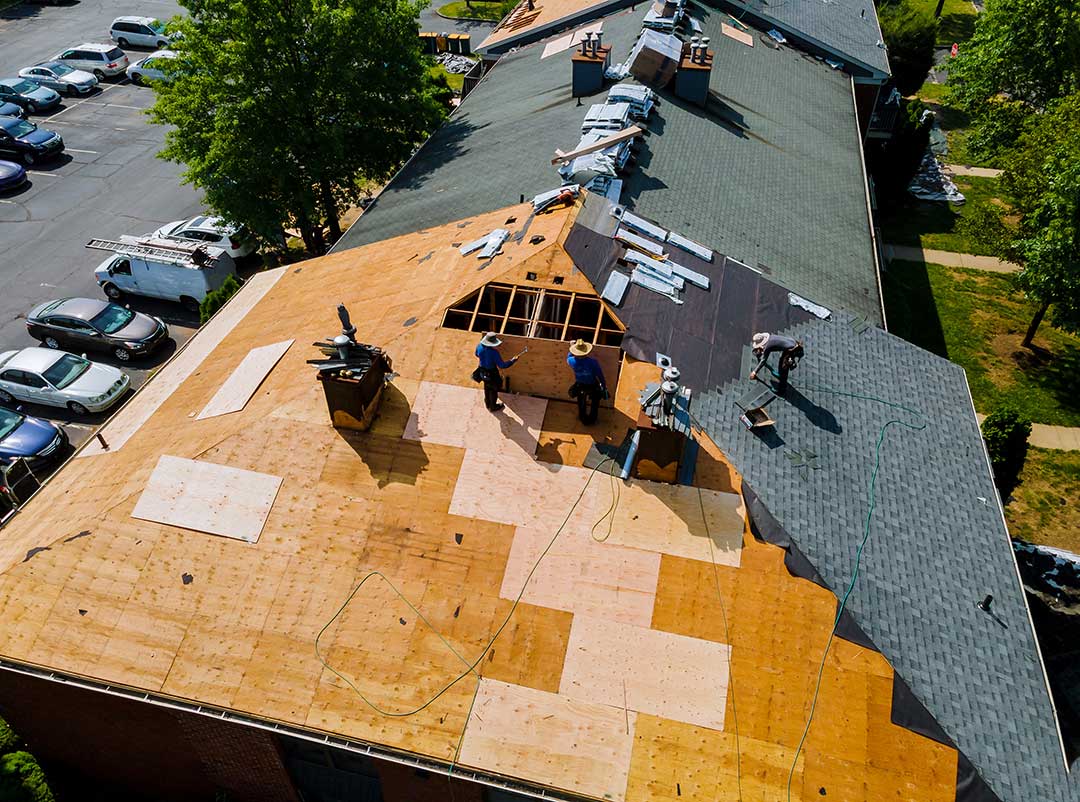
A sloped-roof inspection should include:
- Missing, cracked, or displaced roofing materials
- Damaged valleys and flashing
- Clogged or sagging gutters
- Evidence of ice dams
- Moss or organic debris
- Attic moisture, staining, or poor ventilation
After major storms, it is wise to check the ground for fallen roofing pieces and observe whether gutters are draining normally. A leak may not appear directly below the point where water enters, since moisture can travel along framing or under roof layers.
Is a flat roof less durable than a sloped roof?
Not necessarily. Durability depends on the roofing system, installation quality, exposure, drainage, maintenance, and how well the design suits the building.
A sloped roof can last many years, but its valleys, chimneys, skylights, roof-to-wall transitions, and flashing require attention. A flat roof can also provide long service, but seams, edges, drains, and penetrations need careful monitoring.
A common misconception is that a flat roof should never have standing water. Brief dampness after rain may occur, but persistent ponding suggests a drainage or structural issue that should not be ignored. Another misconception is that a very steep roof eliminates maintenance. Steep roofs may shed precipitation effectively, but they can be difficult and dangerous to access.
How should homeowners choose between the two?
Start with the existing structure. Changing a sloped roof to a flat roof, or the reverse, is not merely a roofing-material decision. It can affect framing, wall height, drainage, attic ventilation, insulation, interior ceilings, and how the building handles snow loads.
Consider these questions:
- Does the building already have a roof design that performs well?
- Is attic storage or finished upper-floor space important?
- Are there recurring drainage, ice, or ventilation problems?
- Will the roof include chimneys, skylights, vents, solar equipment, or other penetrations?
- Can gutters, downspouts, drains, and discharge areas be maintained safely?
- How visible is the roof from surrounding properties or public areas?
- Are local building requirements relevant to a proposed structural change?
For an existing home, correcting drainage, flashing, insulation, or ventilation problems may be more effective than changing the entire roof style. A roof that looks outdated may still be structurally sound, while a newer roof can fail early if water is directed poorly or details are installed incorrectly.
What is the practical answer for local residents?
For many conventional houses, a well-designed sloped roof offers straightforward rain and snow shedding with familiar maintenance needs. A flat roof may be the better fit for a low-profile addition, garage, porch, or building designed around modern lines, provided drainage and structural capacity are addressed from the beginning.
The best roof is the one that matches the building rather than forcing the building to match a preferred style. In Greene, NY, that means accounting for seasonal snow, freeze-thaw conditions, heavy rain, wind, attic ventilation, and the ability to inspect drainage features throughout the year.
