
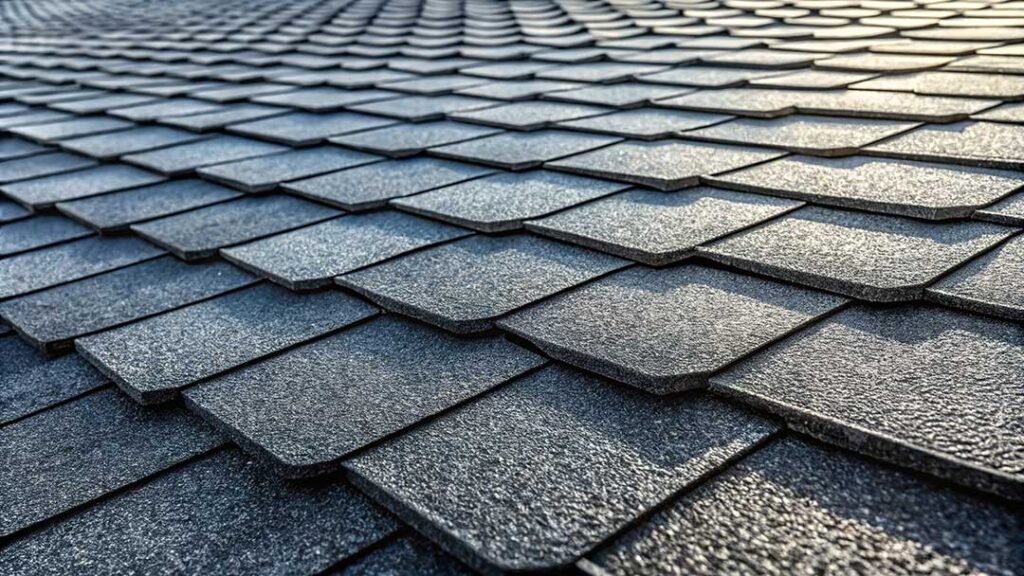
A roof usually reaches the end of its service life because several small problems go unnoticed—not because one storm suddenly destroys it. In Greene, NY, seasonal changes, snow, ice, wind, moisture, and summer heat can gradually weaken roofing materials. Regular observation and simple maintenance can help prevent minor defects from becoming leaks or structural damage.
What shortens a roof’s life?
The most common causes of premature roof aging are moisture, poor ventilation, clogged drainage, storm damage, and deferred repairs. Roofing materials also deteriorate naturally from ultraviolet exposure and repeated temperature changes.
Local homes experience a wide range of conditions during the year. Snow and ice can remain on a roof during winter, while spring thawing sends water through gutters and around flashing. Summer heat can dry and crack older materials, and fall leaves can block drainage paths before winter arrives.
A roof often gives warning signs before a major failure occurs, including:
- Missing, cracked, curled, or loose shingles
- Dark patches or areas where shingles appear to be losing surface granules
- Sagging along the roofline or near the eaves
- Damp spots, stains, or musty odors in the attic
- Water marks on ceilings or upper walls
- Rusted or separated flashing around chimneys, vents, and roof edges
- Gutters that frequently overflow or pull away from the house
Finding these conditions early is usually less disruptive than waiting for water to reach insulation, framing, drywall, or electrical components.
How often should a roof be checked?
A roof should be observed from the ground several times a year and after significant wind, hail, or heavy snowfall. A closer inspection is especially useful in spring, when winter damage becomes easier to identify, and in fall, before leaves and ice create drainage problems.
Walking on a roof is not necessary for routine household checks. Shingles can be damaged by foot traffic, and wet or icy surfaces create a serious fall hazard. Ground-level observations, attic checks, and inspection of gutters often reveal enough information to identify a developing problem.
After a storm, look for:
- Shingles or roofing fragments in the yard
- New dark or uneven areas on the roof
- Bent metal flashing
- Fallen branches resting on roofing materials
- Gutter sections that have shifted
- New leaks or damp insulation in the attic
If the roof is steep, icy, visibly damaged, or difficult to access safely, inspection from the ground is the appropriate choice. Climbing ladders or roofs during unsafe conditions can cause more harm than the roof problem itself.
Why do gutters and downspouts matter?
Gutters protect a roof by moving water away from its edges and the foundation. When gutters are packed with leaves, pine needles, or shingle granules, water can back up beneath roofing materials or spill over the fascia.
Clean gutters at least twice a year, commonly in late spring and late fall. More frequent attention may be needed beneath trees or after storms. Downspouts should discharge water far enough away from the foundation to prevent repeated pooling beside the house.
Check that:
- Gutters slope gently toward their outlets
- Downspouts are not blocked
- Connections do not leak
- Gutter edges are not pulling away from the roofline
- Water is not washing out soil beside the foundation
- Ice is not building up repeatedly along the eaves
Large or persistent ice dams deserve attention because they can allow meltwater to move beneath shingles. Removing ice with sharp tools can damage the roof and create a fall hazard.
Can attic ventilation extend roof life?
Proper attic ventilation helps control heat and moisture, but it does not mean simply adding more vents. A balanced system generally allows air to enter near the lower roof edge and exit near the upper portion of the roof. Insulation should not block intended airflow.
During winter, warm indoor air that escapes into the attic can condense on cold surfaces. This moisture may contribute to mold, damp insulation, rusted fasteners, and deterioration of roof decking. During summer, trapped heat can accelerate aging of roofing materials and increase indoor temperatures.
Signs of attic moisture or ventilation problems include:
- Frost on roof framing during cold weather
- Damp or compressed insulation
- Mold-like growth or staining
- Rust around nails or metal components
- Peeling paint on upper-level ceilings
- Excessive heat in the attic during summer
Bathroom and kitchen exhaust fans should vent outdoors rather than into the attic. Air sealing around light fixtures, plumbing penetrations, and wiring openings can also reduce the movement of warm, moist indoor air into the roof space.
What maintenance should be done around roof penetrations?
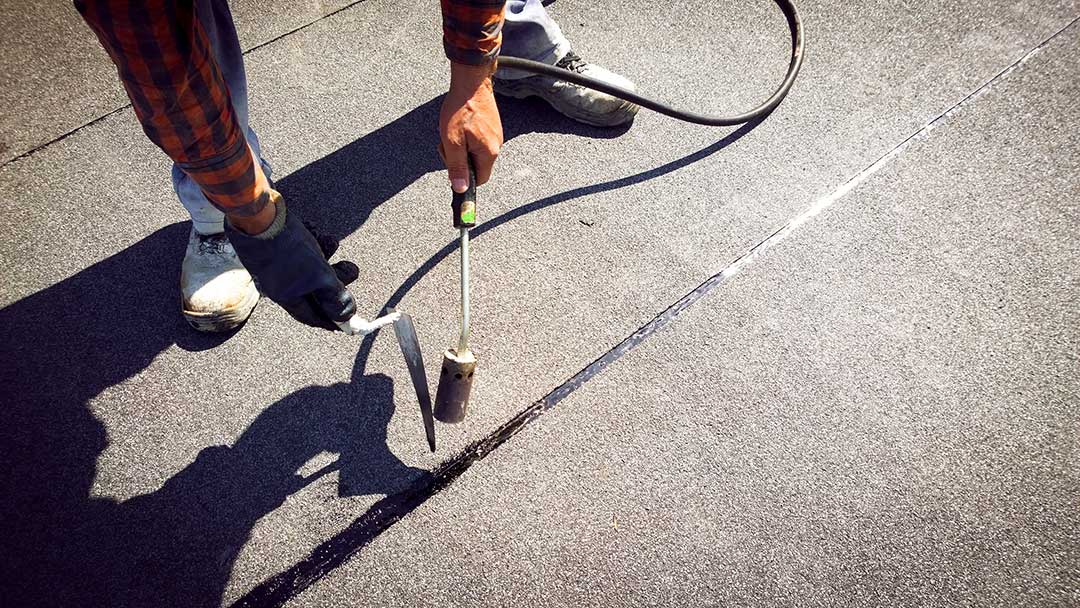
Leaks often begin at places where the roof is interrupted, such as chimneys, plumbing vents, skylights, and exhaust vents. These areas depend on flashing and sealants to direct water away from openings.
During seasonal checks, look for lifted flashing, cracked sealant, loose vent covers, or gaps around penetrations. Sealant is not a permanent substitute for damaged flashing, and covering a problem with additional layers of roofing cement may hide the source without correcting it.
Chimneys deserve particular attention because masonry can absorb water and expand and contract through freeze-thaw cycles. A damaged chimney cap or deteriorated mortar can allow moisture to reach the roof area below.
Should moss, algae, and debris be removed?
Leaves, branches, and accumulated organic debris should be removed because they hold moisture against roofing materials. Moss is especially troublesome when it grows beneath shingle edges or keeps sections of the roof damp.
Avoid scraping aggressively or using pressure washers. Those methods can remove protective granules, loosen shingles, and force water beneath the roofing surface. Harsh cleaning chemicals may also damage nearby plants, siding, or metal components.
If moss or heavy debris is present on a roof that is steep or difficult to reach, safety should take priority over cosmetic cleaning. The goal is to protect the roofing system, not make the surface look new.
Are roof coatings or repairs always necessary?
Not every discoloration or minor surface irregularity requires replacement. Some dark streaks are cosmetic, while others indicate moisture, granule loss, or aging materials. Similarly, a small leak may come from flashing or a vent rather than the entire roof.
Repairs should match the actual cause. Replacing a few damaged shingles may be appropriate when the surrounding materials remain sound. However, repeated patching, widespread granule loss, sagging decking, or leaks in multiple areas can indicate that the roof is nearing the end of its useful life.
Keeping records of repairs, storm damage, and recurring leaks makes it easier to recognize patterns. It also helps distinguish an isolated issue from broader deterioration.
Which roof problems require immediate attention?
Some conditions should not be postponed, especially active leaks, exposed roof decking, large missing areas, sagging, or damage near electrical equipment. Water entering an attic can spread beyond the original leak and damage insulation, framing, ceilings, and walls.
During an emergency, place a container beneath interior drips if it can be done safely, move belongings away from the area, and avoid standing water near electrical fixtures. Do not climb onto the roof during rain, snow, high winds, or icy conditions.
The most effective roof-care routine is straightforward: keep drainage clear, maintain attic moisture control, inspect after severe weather, remove damaging debris carefully, and address small defects before they spread. In a climate with snowy winters and strong seasonal temperature changes, consistent attention can help roofing materials perform longer and reduce the chance of surprise interior damage.
