
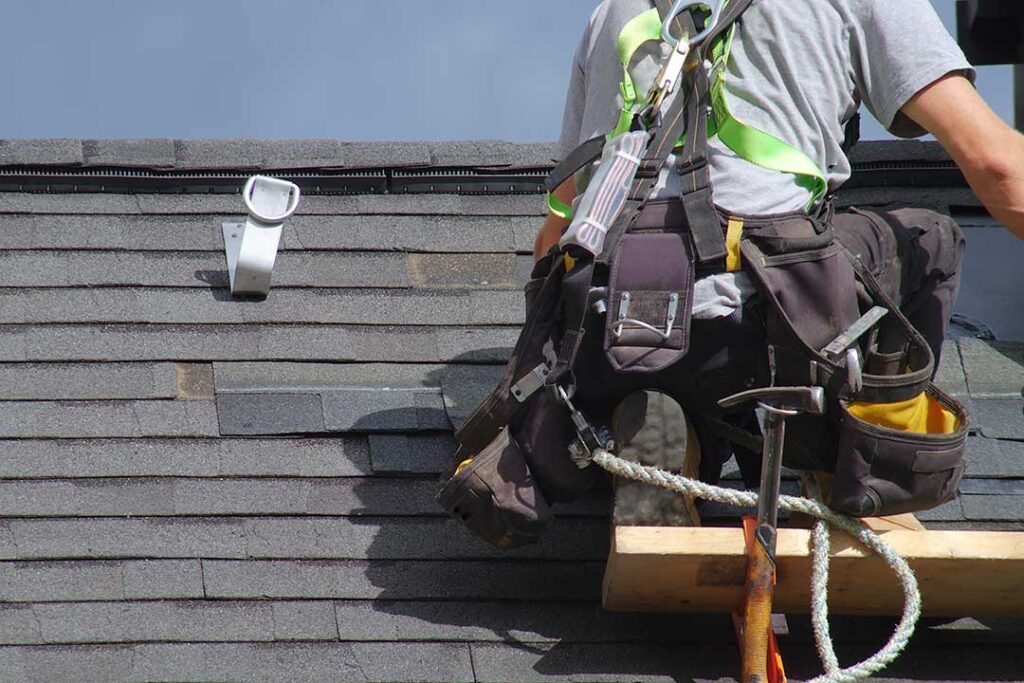
What is the typical lifespan of a roof?
In Greene, NY, a standard asphalt-shingle roof often lasts about 20 to 30 years, although local weather, ventilation, installation quality, and maintenance can shorten or extend that range. A roof’s age is a useful warning sign, but age alone does not determine whether replacement is necessary.
Roofs in the area must handle winter snow, freeze-thaw cycles, wind, heavy rain, ice formation, and summer heat. These conditions can gradually weaken shingles, flashing, underlayment, and the roof deck. A roof that looks acceptable from the ground may still have hidden moisture damage.
The approximate service life varies by material:
- Basic three-tab asphalt shingles: roughly 15 to 20 years
- Architectural asphalt shingles: roughly 20 to 30 years
- Wood shingles or shakes: often 20 to 30 years with proper maintenance
- Metal roofing: commonly 40 years or more, depending on the material and installation
- Slate and other long-lasting materials: several decades, but individual repairs may be specialized
These ranges are general estimates rather than guarantees. A roof installed poorly, exposed to excessive shade, or affected by repeated storm damage may need attention much sooner.
What visible signs suggest that a roof needs replacement?
The clearest warning signs are widespread shingle deterioration, recurring leaks, and damage that extends beyond a small repair area. A few isolated defects do not automatically mean the entire roof must be replaced, but patterns of damage deserve closer evaluation.
Look for:
- Shingles that are cracked, curling, blistered, loose, or missing
- Large areas where the surface granules have worn away
- Dark streaks, exposed underlayment, or visible gaps
- Sagging along the roofline or between rafters
- Damaged or missing flashing around chimneys, vents, skylights, and roof edges
- Granules collecting in gutters or at downspout outlets
- Water stains on ceilings, attic framing, or upper walls
- Daylight visible through the roof deck in an attic
- Moss or algae accompanied by lifted or deteriorated shingles
A few dark streaks are often cosmetic and may be caused by algae. They do not necessarily mean the roof is failing. Curling, brittleness, exposed fasteners, and loss of waterproofing are more significant indicators.
How do leaks affect the decision?
A single small leak does not always require a new roof. Leaks caused by damaged flashing, a failed pipe boot, or a limited area of storm damage may be repairable.
Replacement becomes more likely when leaks are recurring, appear in several locations, or continue after previous repairs. Water can travel along rafters and sheathing, so the stained area inside the house is not always directly below the original entry point.
Persistent moisture may lead to:
- Rot in the roof deck or framing
- Mold growth in damp, poorly ventilated areas
- Damaged insulation
- Peeling paint or weakened drywall
- Corrosion around fasteners and metal components
- Higher heating and cooling losses
A ceiling stain that dries after a storm should not be ignored. The visible mark may remain long after the leak has stopped, while hidden materials continue to deteriorate.
Does storm damage mean the roof must be replaced?
Not necessarily. Wind, fallen branches, ice, and heavy snow can damage a small section without compromising the entire roof. The appropriate response depends on the extent, location, and age of the roofing system.
After severe weather, inspect from the ground for missing shingles, displaced ridge caps, exposed underlayment, bent flashing, and branches resting on the roof. Avoid climbing onto a wet, icy, or steep roof. A roof surface can be unsafe even when the damage appears minor.
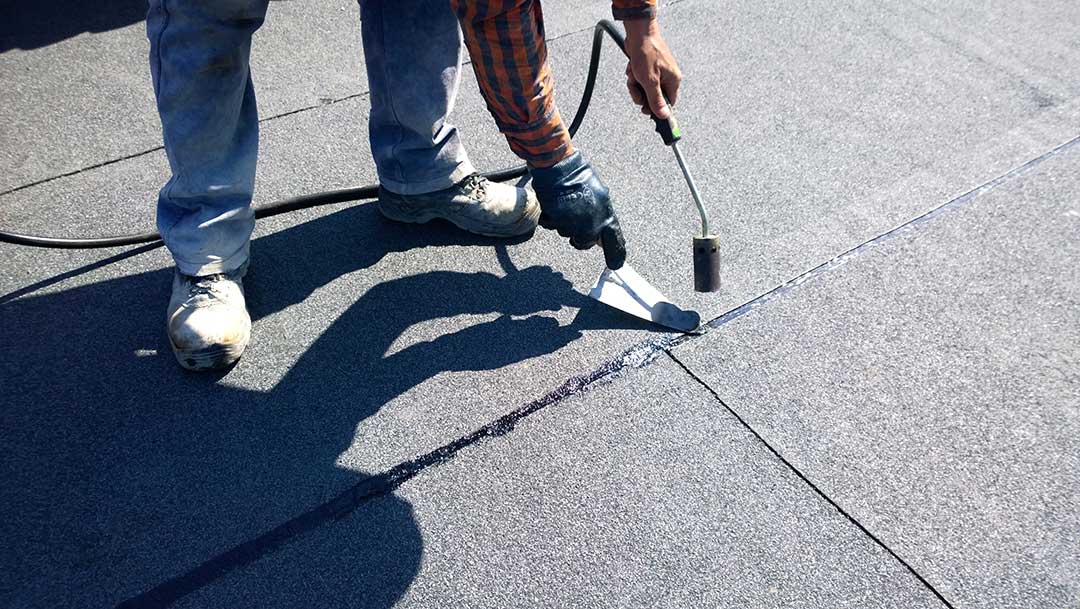
Replacement is more reasonable when storm damage is widespread, when the roof is already near the end of its expected service life, or when matching older shingles would leave visible and vulnerable patched areas. Insurance coverage, deductibles, policy terms, and documentation requirements vary, so those questions should be reviewed directly with the insurer.
How do winter conditions affect roofs in the area?
Winter weather can expose weaknesses that were not obvious during warmer months. Snow adds weight, while freeze-thaw cycles allow water to enter small cracks and expand as it freezes.
Ice dams can form when heat escapes into the attic and melts snow on the upper roof. The water may refreeze near colder eaves and back up beneath shingles. Repeated ice-dam activity can damage underlayment, insulation, ceilings, and exterior trim.
Good attic insulation and balanced ventilation can help keep roof temperatures more consistent, but they cannot correct a roof that is already badly deteriorated. Thick snow should not be removed with improvised tools or by walking on the roof. Damage to shingles can occur during snow removal, and falling snow or ice presents a hazard below.
Can a roof be repaired instead of replaced?
Repair is often appropriate when the roofing system is relatively young and the damage is limited. A repair may make sense for a small number of missing shingles, localized flashing failure, or a puncture caused by a fallen branch.
Replacement deserves consideration when:
- Damage is spread across several roof slopes
- Shingles are brittle or no longer seal properly
- Leaks have returned after repeated repairs
- The roof deck is soft, sagging, or rotted
- The existing material is near or beyond its expected service life
- Previous layers or patching make the roof uneven
- Repairs would address symptoms but not the underlying failure
The age of the roof matters because new repairs may not provide lasting value on a system that is already nearing the end of its useful life. Conversely, replacing a sound roof solely because of a few cosmetic defects can be unnecessary.
What should homeowners check in the attic?
An attic inspection can reveal problems before they become visible inside the living space. Check for damp insulation, water marks, rusty nails, darkened wood, daylight, and signs of air movement around penetrations.
Ventilation should allow warm, moist air to leave the attic without creating large temperature differences across the roof. Blocked vents, insufficient insulation, bathroom exhaust directed into the attic, and air leaks around ceiling openings can all contribute to moisture problems and ice dams.
Look at the roof deck after heavy rain or during a thaw, but do not touch wet electrical components or enter areas with structural concerns. If the attic floor or framing appears unsafe, inspection should be left to someone equipped to evaluate the condition safely.
How can a homeowner make a sound replacement decision?
Start with the roof’s age, then compare it with its current condition. Document leaks, repairs, storm events, interior stains, and visible changes over time. Photographs taken from the ground can help track whether damage is spreading.
A roof is more likely to need replacement when several factors occur together: advanced age, widespread shingle wear, repeated leaks, poor attic conditions, and damaged decking. If only one small component has failed and the rest of the system remains sound, a targeted repair may be reasonable.
Replacement planning should also account for chimney flashing, roof valleys, skylights, gutters, attic ventilation, and the condition of the roof deck. These components can affect the cost, timing, and durability of the work even when the shingles themselves are the most visible part of the roof.
The safest time to address a deteriorating roof is before active leaks, winter ice, or storm damage create an emergency. In Greene, NY, a careful inspection during dry, accessible weather can provide a clearer picture of whether maintenance, repair, or full replacement is the appropriate next step.
