
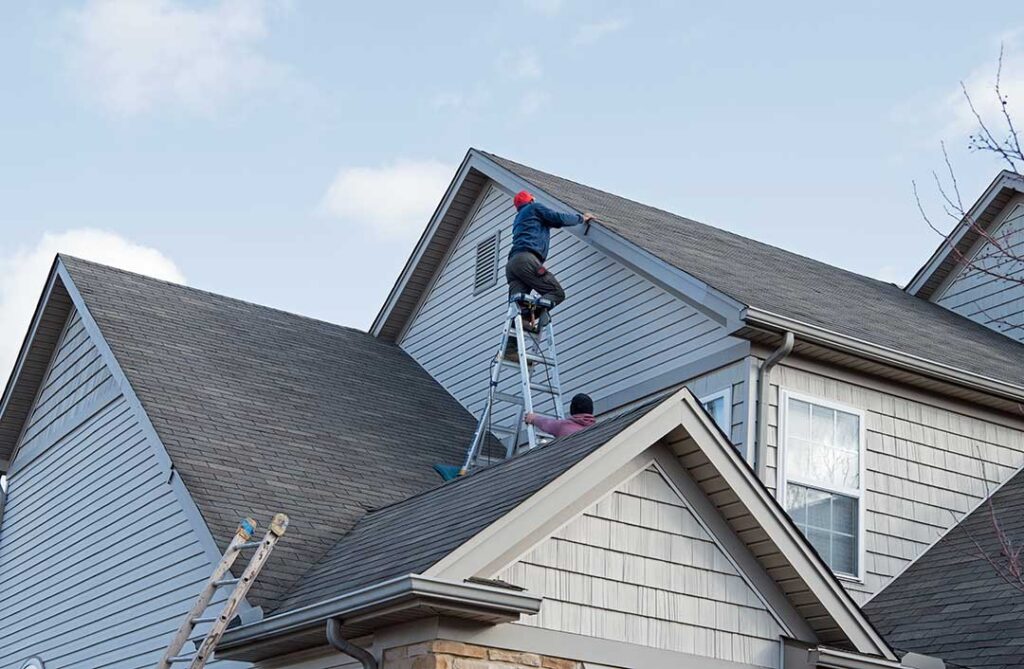
What does a roof warranty actually cover?
A roof warranty is a written promise about specific materials, workmanship, or both. It does not guarantee that a roof will never leak or that every future repair will be free.
Most roofing projects involve more than one type of coverage:
- Manufacturer’s warranty: Covers defects in roofing materials, such as shingles or underlayment, subject to the manufacturer’s conditions.
- Workmanship warranty: Covers installation errors, such as improper fastening, flashing problems, or incorrect placement of roofing components.
- Property insurance: May cover certain sudden events, such as wind or hail damage, but it is not a warranty.
- Service contract: May provide repair services for a fee, but it is different from a product or installation warranty.
The first step in understanding coverage is identifying which party made the promise. A manufacturer generally cannot be expected to correct an installation problem, and an installer generally cannot control a manufacturing defect.
How is a manufacturer’s warranty different from a workmanship warranty?
A manufacturer’s warranty usually applies to the roofing product itself. For example, it may address premature deterioration, manufacturing defects, or abnormal loss of protective granules. The written terms may provide replacement materials, a prorated payment, or another limited remedy.
A workmanship warranty addresses how the roof was installed. It may cover problems caused by:
- Improper nail placement or spacing
- Incorrect flashing around chimneys, walls, skylights, or roof edges
- Poorly sealed penetrations
- Inadequate ventilation work
- Installation that does not follow published requirements
These warranties often have different lengths and exclusions. A material warranty may last for decades on paper, while workmanship coverage may last for only a limited number of years. The duration alone does not show how valuable the coverage is. The exclusions, remedy, and claim process matter just as much.
Does a long warranty mean the roof will last that long?
No. A warranty period is not the same as a service-life prediction.
A long-term material warranty may be prorated after an initial period, meaning the amount available for a later claim decreases over time. Some warranties cover only the defective shingles and do not pay for removal, disposal, labor, interior damage, or related repairs.
Roof longevity also depends on conditions outside the warranty. In Greene, NY, roofs must handle freeze-thaw cycles, snow, ice, wind, summer heat, and moisture. Poor attic ventilation, blocked drainage, moss, fallen branches, and neglected flashing can contribute to damage even when the roofing materials themselves are not defective.
A warranty may also require regular maintenance. If the homeowner cannot show that required maintenance was performed, a claim may be delayed or denied.
What common exclusions should homeowners look for?
The exclusions section often explains more than the headline coverage. Common exclusions include:
- Storm, hail, wind, or falling-object damage
- Damage caused by walking on the roof or placing equipment on it
- Problems resulting from improper repairs or alterations
- Condensation, inadequate ventilation, or interior moisture
- Structural movement or settlement
- Damage from animals, trees, or branches
- Failure to maintain drainage systems
- Installation over unsuitable or deteriorated decking
- Changes made by later owners or contractors
- Labor costs after a limited initial period
A warranty may also exclude consequential damage. That means it might cover a defective roofing component but not stained ceilings, damaged insulation, mold remediation, personal property, or temporary living expenses.
The phrase “full coverage” should be read carefully. It may describe only a particular part of the warranty or only the first stage of a longer prorated schedule.
Can a roof warranty be transferred when a house is sold?
Sometimes, but not automatically. Transfer rules vary by warranty and may require written notice within a stated period after the property changes ownership.
Some warranties allow one transfer. Others reduce the remaining coverage, charge an administrative fee, or eliminate workmanship protection after the sale. A transfer may also require proof that the original installation was completed according to the warranty terms.
Home buyers should ask for:
- The original roofing contract
- Material and installation warranty documents
- The installation date
- Records of repairs or maintenance
- Any previous warranty claims
- Written confirmation of transfer requirements
A home inspection can identify visible roof conditions, but it does not replace reading the warranty documents. A roof can appear serviceable while still having limited or expired coverage.
What should be documented after a roofing project?
Good records make a warranty claim easier to evaluate. Keep the signed contract, invoices, payment records, product information, completion documents, and copies of all warranty terms in one location.
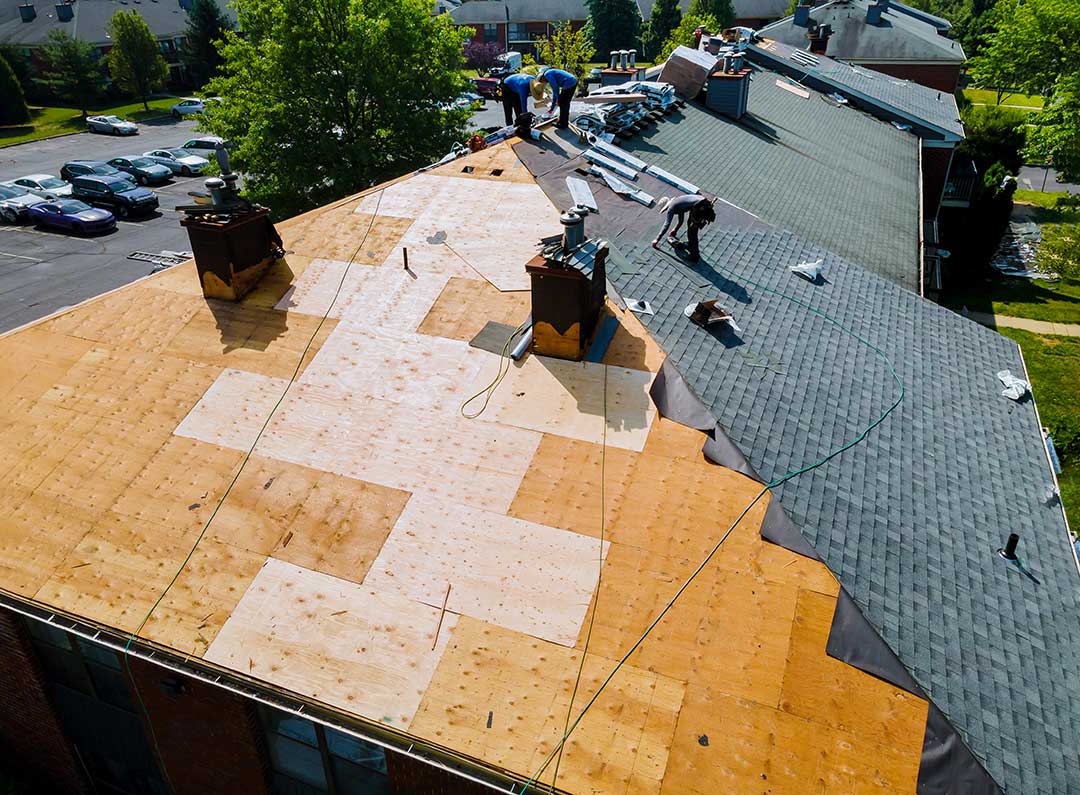
Useful records may include:
- Installation date and property address
- Product names, descriptions, and identifying information
- Photos taken before and after the work
- Ventilation and flashing details
- Written maintenance instructions
- Dates of inspections, repairs, and cleanings
- Copies of emails, letters, and claim decisions
In New York, home improvement work generally requires a written contract with a description of the work and materials. If the contract promises a workmanship warranty, the warranty terms should be written clearly rather than left as a verbal assurance.
Statements such as “lifetime,” “guaranteed,” or “fully covered” should be matched against the actual document. A spoken promise that does not appear in the contract can be difficult to enforce or interpret later.
How should a homeowner make a warranty claim?
Start by reading the claim instructions for the specific warranty. Some require notice within a particular period after discovering a problem. Others require photographs, proof of purchase, inspection access, or use of a designated claims process.
The basic steps are:
- Document the problem with dated photographs and notes.
- Take reasonable steps to prevent additional damage, such as placing a container under an active leak.
- Avoid making permanent repairs before the responsible party has had a reasonable opportunity to inspect the condition, unless immediate action is needed to protect health or property.
- Submit the claim in writing and keep proof that it was received.
- Save every response, inspection report, invoice, and repair proposal.
- Ask for a written explanation if coverage is denied.
During Greene’s winter and spring weather, a small leak can worsen quickly because water may freeze, thaw, and move through insulation or ceiling materials. Emergency measures to limit damage should be documented carefully. Preventing additional damage does not necessarily mean accepting responsibility for the original defect.
What if the warranty claim is denied?
A denial should identify the specific warranty language supporting the decision. Compare that explanation with the contract, installation records, photographs, and inspection findings.
A dispute may involve a disagreement over whether the problem is:
- A defective product
- An installation error
- Normal aging
- Storm damage
- A maintenance issue
- A defect in the roof structure beneath the covering
If the issue remains unresolved, written communication is generally more useful than informal conversations because it creates a clear record of dates, facts, and requested remedies. The contract may also describe mediation, arbitration, notice deadlines, or other dispute procedures.
Warranty coverage is only one part of roof ownership. Understanding who made the promise, what condition triggered coverage, which costs are excluded, and how notice must be given can prevent many misunderstandings before a leak or visible defect becomes urgent.
