
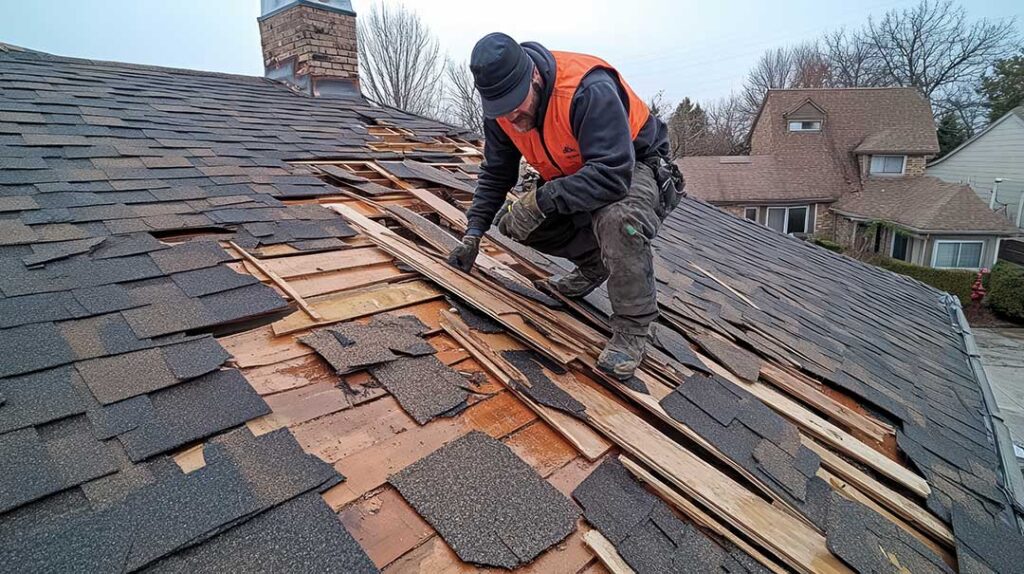
Which roofing material works best for a home in Greene, NY?
There is no single roofing material that is right for every home. The most suitable choice depends on roof slope, structural capacity, budget, expected service life, appearance, maintenance tolerance, and exposure to snow, ice, wind, rain, and temperature changes.
For many area households, the practical comparison usually includes asphalt shingles, metal roofing, wood shingles or shakes, slate, and synthetic roofing products. Each has genuine advantages, but each also has limitations that matter in a cold, seasonally wet climate.
A roof should be evaluated as a complete system rather than as a surface covering alone. Underlayment, flashing, ventilation, insulation, ice protection, fasteners, and roof-deck condition can affect performance as much as the visible material.
What are the advantages and disadvantages of asphalt shingles?
Asphalt shingles are widely used because they offer a familiar balance of cost, appearance, installation flexibility, and repairability. They are available in many colors and profiles and can be installed on a broad range of residential roof designs.
Advantages include:
- Generally lower initial cost than metal, slate, or high-end synthetic materials
- Broad availability in common residential styles
- Relatively simple replacement of individual damaged sections
- Compatibility with many roof slopes
- Lower structural weight than slate or some tile products
- Established installation practices and common repair methods
Limitations include:
- Shorter expected service life than many metal, slate, or premium synthetic systems
- Vulnerability to wind damage if shingles are poorly fastened or have aged
- Granule loss, cracking, and curling as the material weathers
- Possible damage from falling branches, ice, or repeated freeze-thaw cycles
- Performance that depends heavily on ventilation and proper underlayment
Cold-weather performance is not determined by the shingle alone. In Greene, roof edges, valleys, wall intersections, and areas around chimneys or roof penetrations deserve particular attention because snow and meltwater can expose weak flashing or inadequate ice protection.
Is metal roofing a good choice for snowy conditions?
Metal roofing can be a strong option for homes exposed to snow, wind, and repeated wet-dry cycles. It is available in large panels or smaller metal shingles, with differences in appearance, fastening, maintenance, and repair.
Potential benefits include:
- Long service life when correctly selected and installed
- Good resistance to rot, insects, and moisture absorption
- Lightweight construction compared with slate or concrete tile
- Ability to shed rain and snow efficiently on suitable roof slopes
- Reduced risk of surface deterioration from algae and moss
- Compatibility with some low-slope applications when the correct system is used
Metal roofing also has drawbacks. The initial cost is often higher than standard asphalt shingles. Panels can dent from large hail or falling limbs, and poorly designed systems may create noise during heavy rain. Expansion and contraction can stress fasteners or seams if the system is not detailed correctly.
Snow guards may be useful above entrances, walkways, decks, and other areas where sliding snow could create a hazard. Metal roofs do not eliminate ice dams, either. Warm air leakage, insufficient insulation, and poor attic ventilation can still cause snow to melt and refreeze at the eaves.
What should homeowners know about wood shingles and shakes?
Wood roofing has a natural appearance that suits some older homes, cabins, and traditionally styled properties. Shingles are usually sawn, while shakes have a more textured or split appearance.
Wood can provide good insulation compared with some thin roofing products, but it requires more maintenance than many homeowners expect. Moisture, shade, moss, insects, and limited airflow can shorten its service life. Leaves and organic debris that remain trapped between courses can also hold moisture against the roof.
Wood roofing may be a poor match for heavily shaded roof sections or areas where regular cleaning is difficult. Fire-resistance requirements, local building rules, and material treatment may also affect whether it is permitted for a particular project.
Why is slate durable, and what makes it difficult?
Natural slate is one of the longest-lasting roofing materials available. It resists rot, insects, and many forms of weathering, and it can preserve the character of older or architecturally distinctive homes for decades.
Its main disadvantage is weight. The roof structure must be capable of supporting it, and replacement may require examination of rafters, sheathing, and attachment points. Slate is also brittle. Walking on it or allowing falling branches to strike it can cause breakage.
Repairs require specialized knowledge because individual pieces may be damaged while surrounding slate remains serviceable. A roof with reusable slate may not need complete replacement, but determining that condition requires careful inspection.
Synthetic slate and composite products can provide a similar appearance with less weight. Their performance varies by product, and long-term aging, impact resistance, color retention, and repair options should be considered rather than relying only on appearance.
Are flat and low-slope roofs different?
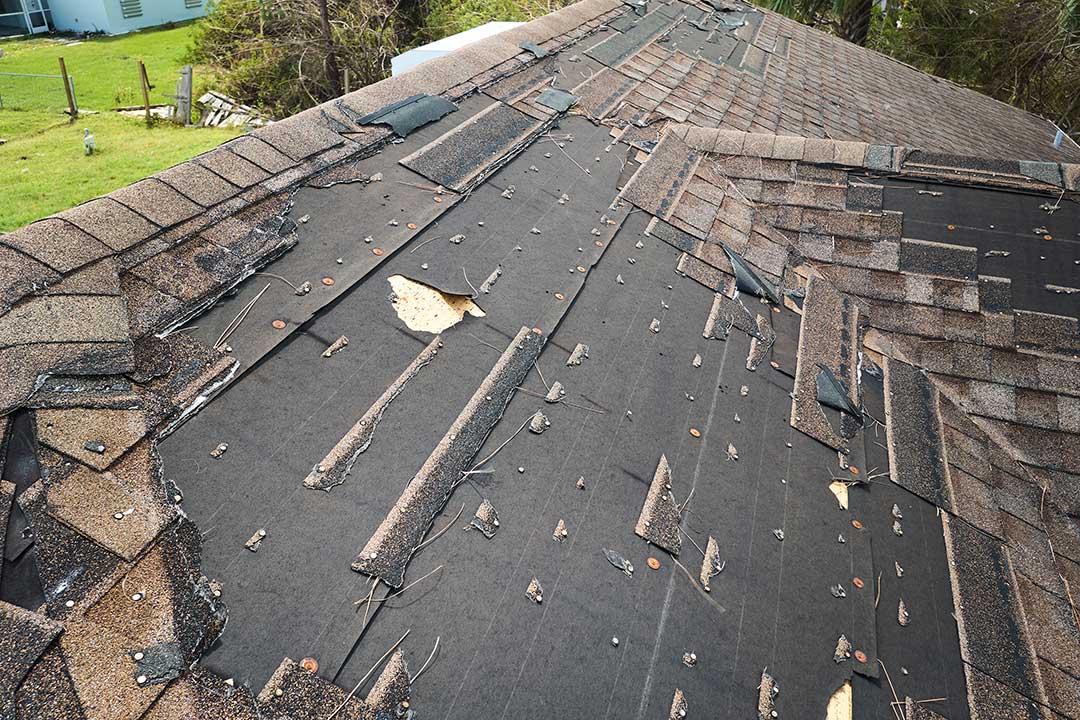
Yes. Low-slope roofs cannot be evaluated in the same way as steep-slope shingle roofs. Water drains more slowly, so seams, penetrations, edge details, and drainage paths become especially important.
Common low-slope materials include modified bitumen, built-up roofing, single-ply membranes, and coatings designed for particular roof assemblies. These systems may work well when properly designed, but standing water, blocked drains, deteriorated flashing, and trapped moisture can lead to leaks.
A coating is not automatically a substitute for a new roof. It may extend the service life of a compatible roof in good structural condition, but it cannot correct a saturated deck, failed drainage, or widespread membrane damage.
Which roofing materials are easiest to repair?
Asphalt shingles are usually the simplest material for localized repairs because individual pieces can often be replaced without disturbing large areas. Metal panels and slate can also be repaired, but matching profiles, colors, fasteners, and installation details may be more challenging.
A repair is more likely to last when the underlying cause is corrected. Replacing a damaged shingle will not solve a flashing failure, poor ventilation, ice movement, or water entering around a chimney.
Temporary patches may reduce immediate water entry, but they should not conceal ongoing damage to insulation, framing, or the roof deck.
How do roof materials affect energy use?
Roof covering has less influence on heating and cooling than insulation, air sealing, attic ventilation, and moisture control. A reflective surface may reduce summer heat gain, while a well-insulated and properly air-sealed attic helps reduce winter heat loss.
In a cold climate, ventilation must be designed carefully. Exhaust vents do not compensate for blocked intake vents, and adding vents without addressing air leakage can leave the underlying problem unresolved. Ice dams are often connected to heat escaping into the attic, not simply to the type of shingles installed.
What local code and safety issues should be checked?
New York residential requirements address roof coverings, fasteners, underlayment, flashing, roof structure, and ice-barrier protection in areas subject to ice formation. Roofing work in Greene may also require a permit, including some replacement or roof-covering projects.
Requirements can change with the type of work, number of existing layers, roof slope, building age, and structural condition. Checking with the local code-enforcement office before work begins can help clarify permit and inspection requirements.
Roof work also presents fall, ladder, electrical, and material-handling hazards. Walking on wet, icy, steep, brittle, or damaged roofing can cause serious injury and can worsen the roof itself.
How should residents compare roofing materials?
A useful comparison should include more than the purchase price:
- Expected service life and maintenance needs
- Weight and compatibility with the existing structure
- Resistance to wind, ice, moisture, and falling branches
- Suitability for the roof’s slope and drainage pattern
- Availability of matching repair materials
- Quality of flashing and underlayment details
- Effect on attic ventilation and insulation
- Permit, fire, and installation requirements
- Whether the roof deck can support another layer or a heavier material
For many homes, asphalt shingles remain a practical choice. Metal may offer longer service life and strong weather resistance. Slate can be exceptionally durable but structurally demanding. Wood provides a distinctive appearance but requires more upkeep. Low-slope membranes serve a different purpose and should not be compared directly with steep-slope shingles.
The most dependable decision is usually the material that fits the building, roof design, maintenance expectations, and local weather exposure—not necessarily the material with the longest advertised lifespan.
