
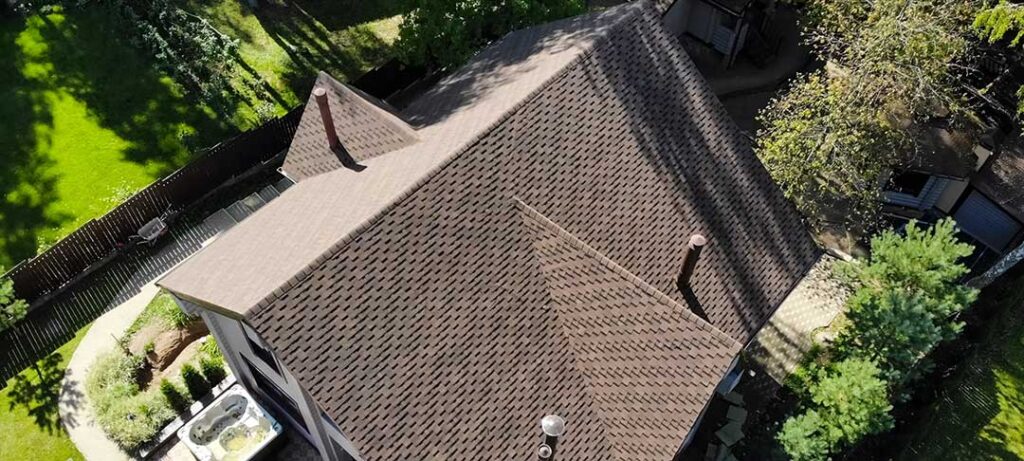
Roof problems often begin with small changes that are easy to overlook. A dark ceiling mark, a missing shingle, or an unusual amount of grit near a downspout may indicate that water, wind, ice, or age has started affecting the roof system.
For households in Greene, NY, early detection matters because seasonal weather can place repeated stress on roofing materials. Snow, freeze-thaw cycles, spring rain, summer heat, and strong winds can gradually turn minor wear into leaks or structural damage.
What are the earliest signs of roof damage?
The first warning signs are usually visible from the ground, inside the attic, or on upper-floor ceilings. A roof does not always fail suddenly; damage often develops through several small changes.
Look for:
- Shingles that are curled, cracked, blistered, loose, or missing
- Dark stains or damp areas on ceilings and walls
- Granules collecting in gutters or near downspouts
- Sagging sections along the roofline
- Daylight visible through the attic roof deck
- Damp insulation, musty odors, or unexplained attic moisture
- Flashing that appears bent, lifted, rusted, or separated
- Water pooling near roof penetrations or low-slope sections
A single damaged shingle may not indicate widespread failure, but it should not be ignored. Small openings allow water to reach underlayment, roof decking, insulation, and framing.
How can homeowners inspect a roof safely from the ground?
A ground-level inspection can reveal many problems without requiring anyone to climb onto the roof. Use binoculars when possible, especially for steep roofs or homes with multiple roof sections.
View the roof from several angles and check whether:
- Shingle rows look uneven or interrupted
- Any shingles are missing, lifted, or hanging
- The roofline appears straight rather than sagging
- Metal flashing is still in place around chimneys, vents, and wall intersections
- Gutters are pulling away from the fascia
- Tree limbs are touching or scraping the roof
- Large amounts of shingle granules are visible below the downspouts
- Moss or algae is covering areas where water tends to remain
Moss is not automatically proof of a leak, but heavy growth can hold moisture against roofing materials. It may also make it harder to see damaged shingles. Branches near the roof can scrape protective surfaces during windy weather and drop debris into drainage areas.
Roof inspections should not involve walking on wet, icy, steep, or visibly damaged surfaces. A fall risk is present even when a roof appears to have only minor problems.
What do ceiling stains and wall marks mean?
A ceiling stain usually means that moisture has entered somewhere above it, although the visible mark may not be directly below the actual roof opening. Water can travel along rafters, roof decking, insulation, or framing before appearing indoors.
Pay attention to:
- Yellow, brown, or gray ceiling discoloration
- Paint that bubbles, peels, or feels soft
- Damp drywall near exterior walls
- Stains that grow after rain or snowmelt
- Water around ceiling fixtures
- Musty smells in upper rooms or closets
A stain that dries after a storm still deserves attention. A roof leak may be intermittent, especially when wind pushes rain beneath shingles or when melting snow refreezes near the roof edge.
Water near electrical fixtures should be treated cautiously. Avoid touching wet fixtures, switches, or wiring, and use the appropriate emergency precautions if active water is entering the home.
How do gutters and downspouts reveal roof problems?
Gutters can provide useful evidence about roof condition. Granules from asphalt shingles often wash into gutters as roofing materials age or lose their surface coating. A small amount may be normal on an older roof, but a sudden increase can indicate accelerated wear or storm damage.
Also check for:
- Shingle pieces or fragments in the gutter
- Persistent clogs beneath one roof section
- Rust holes or separated gutter joints
- Water spilling over during ordinary rainfall
- Fascia boards that look stained, soft, or swollen
- Downspouts that discharge too close to the foundation
Overflowing gutters do not always mean the roof itself is damaged. Leaves, ice, poor slope, and blocked downspouts can cause similar symptoms. However, repeated overflow can contribute to fascia damage, basement moisture, and ice buildup along the roof edge.
Which attic signs should be taken seriously?
The attic may show roof damage before it becomes visible inside living spaces. Inspect only when the area can be entered safely, using a stable access method and adequate lighting.
Look for:
- Wet or compressed insulation
- Darkened roof decking
- Rust around fasteners or metal components
- Water trails along rafters
- Mold-like growth caused by persistent moisture
- Daylight entering through holes or gaps
- Damp wood near vents, valleys, or roof penetrations
Not all attic moisture comes from a roof leak. Poor ventilation, bathroom exhaust venting into the attic, and warm air escaping through the ceiling can create condensation. The location and pattern of moisture can help distinguish between a roof opening and a ventilation problem.
In winter, warm attic air can contribute to uneven snow melting. Meltwater may refreeze near colder roof edges, forming ice buildup that can force water beneath shingles. This is one reason a roof may leak during snowmelt even when there has been little rain.
What damage can wind, snow, and ice cause?
Severe weather can create hidden damage even when the roof looks mostly intact. Wind may lift shingle edges, loosen flashing, or remove individual shingles. Snow and ice add weight and can expose weak areas in the roof structure.
After a major storm, check from the ground for:
- Missing shingles in the yard
- New dents or impact marks
- Lifted shingle tabs
- Bent vents or flashing
- Sagging near valleys or roof edges
- Debris resting on the roof
- Water stains that appear afterward
Heavy snow should not be removed by walking on the roof. Improper shoveling or scraping can damage shingles and create a fall hazard. Structural sagging, significant water entry, or a partially collapsed area requires immediate attention because the risk may extend beyond the roofing materials.
When is roof damage urgent?
Some signs require prompt action rather than routine observation. Urgent conditions include active interior leaking, a sagging ceiling, exposed roof decking, a large missing section of shingles, storm debris that has opened the roof, or visible structural movement.
If water is entering near electrical equipment, keep clear of the area. If part of a ceiling is bulging from trapped water, avoid standing beneath it. Severe structural damage may require temporary protection to prevent additional weather exposure while safety concerns are addressed.
Less serious signs, such as isolated granule loss or one visibly worn shingle, may allow more time for evaluation. The key is to document the location and monitor whether the problem changes after rain, wind, snow, or freezing temperatures.
How can roof problems be documented?
Clear records make it easier to understand whether damage is spreading. Take photographs from the ground after safely observing the roof, and record the date, weather conditions, and location of each concern.
Useful notes include:
- Whether a stain appeared after rain or snowmelt
- Whether water entered during wind-driven weather
- The number and location of missing or damaged shingles
- Changes in gutter overflow or attic moisture
- Any interior odors, bubbling paint, or soft drywall
Early attention does not always mean the entire roof needs replacement. In many cases, the first step is simply determining whether the issue involves shingles, flashing, drainage, ventilation, or the roof structure itself. Recognizing the difference can help residents respond before a small roof defect becomes interior water damage.
