
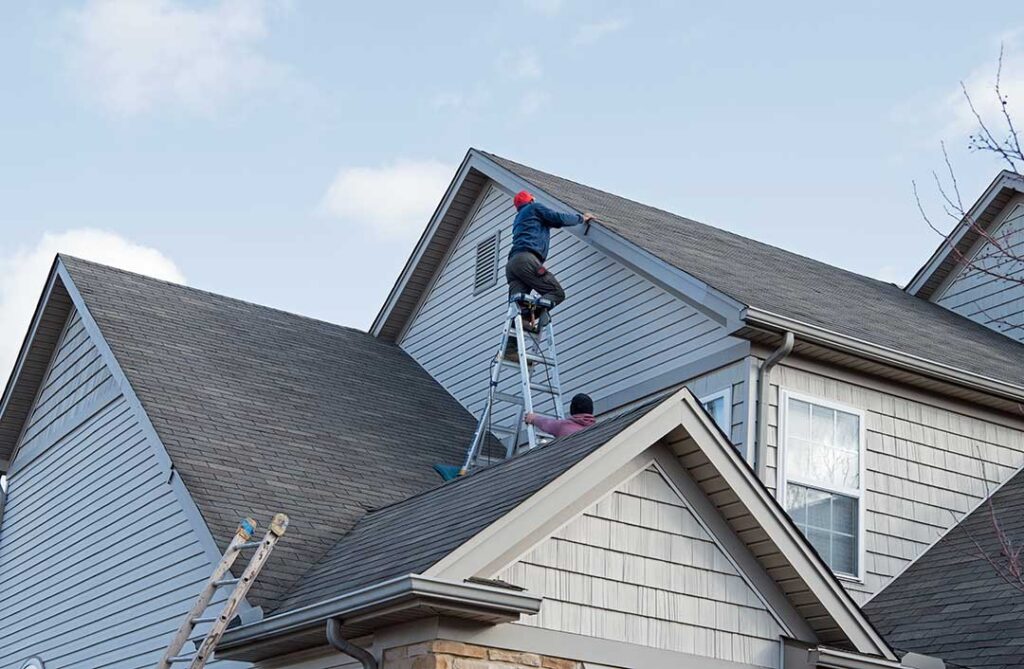
Proper roof ventilation helps control heat and moisture in the space beneath a roof. For homes in Greene, NY, that matters through snowy winters, humid summers, temperature swings, and periods of heavy rain. A well-ventilated attic can help protect roof sheathing, insulation, framing, and shingles while supporting more consistent indoor comfort.
What does roof ventilation do?
Roof ventilation allows outdoor air to move through the attic or roof assembly in a controlled way. Cooler, drier air enters through lower intake vents, usually at the soffits or eaves, while warmer or more humid air leaves through higher exhaust vents near the ridge or upper roof area.
This movement helps:
- Release excess heat during warm weather
- Reduce moisture buildup during cold weather
- Limit condensation on roof sheathing and framing
- Help keep insulation dry and effective
- Reduce the conditions that contribute to mold and wood decay
- Keep the roof deck more evenly exposed to changing temperatures
Ventilation is not intended to heat or cool the home by itself. Its main purpose is to manage the conditions in the roof space.
Why is attic ventilation especially useful in Greene, NY?
The local climate creates several roof-related challenges. Winter temperatures can remain below freezing, while spring and fall often bring rapid changes between cold nights and warmer days. Summer weather can bring high humidity and strong solar heating on dark roof surfaces.
These conditions affect the attic in different ways:
- Warm indoor air can leak into a cold attic and condense on the underside of the roof.
- Snow can remain on a cold roof, then melt unevenly if heat escapes from the living space.
- Summer heat can raise attic temperatures well above outdoor temperatures.
- Humid outdoor air can contribute to moisture problems if the attic has poor airflow or air leaks.
A properly designed ventilation system works together with insulation and air sealing. Ventilation alone cannot correct heat loss through an uninsulated attic or moisture entering through ceiling leaks.
How does ventilation help prevent winter roof problems?
A cold, properly insulated attic is less likely to create uneven snow melting. If indoor heat escapes through the ceiling, it can warm portions of the roof deck. Snow may melt in those areas and run toward colder eaves, where it can refreeze and form ice dams.
Ice dams can allow water to back up beneath roof coverings. Repeated cycles may contribute to stained ceilings, damaged insulation, deteriorated sheathing, and leaks near eaves or roof penetrations.
Ventilation helps keep the attic closer to outdoor temperature, but it is only part of the solution. Effective winter protection also depends on:
- Adequate ceiling insulation
- Air sealing around light fixtures, plumbing openings, wiring, and attic access panels
- Clear airflow paths from the eaves to the upper roof
- Proper flashing and roof drainage
- Safe removal of excessive snow when conditions create a hazard
A common mistake is adding insulation while blocking soffit vents. Baffles or rafter vents may be needed to preserve an open channel above the insulation.
Can poor ventilation damage shingles and roof sheathing?
Yes. Excessive attic heat can accelerate the aging of asphalt-based roof coverings, especially when high temperatures occur repeatedly over many summers. Heat does not usually cause immediate failure, but it can contribute to drying, distortion, loss of flexibility, and earlier deterioration over time.
Moisture is often a more serious concern. Condensation can dampen roof sheathing and framing even when the roof covering itself is not leaking. Warning signs may include:
- Dark staining on the underside of roof sheathing
- Damp or compressed insulation
- Musty odors in the attic
- Rust on fasteners or metal components
- Peeling paint or ceiling stains below the attic
- Frost on roof sheathing during cold weather
A roof leak and an attic condensation problem can look similar from inside the home. The source should be identified before repairs are selected.
What is a balanced roof ventilation system?
A balanced system has enough intake ventilation to bring air into the attic and enough exhaust ventilation to let air leave. Both parts are necessary.
Common intake locations include:
- Continuous soffit vents
- Individual eave vents
- Gable-end intake openings in certain roof designs
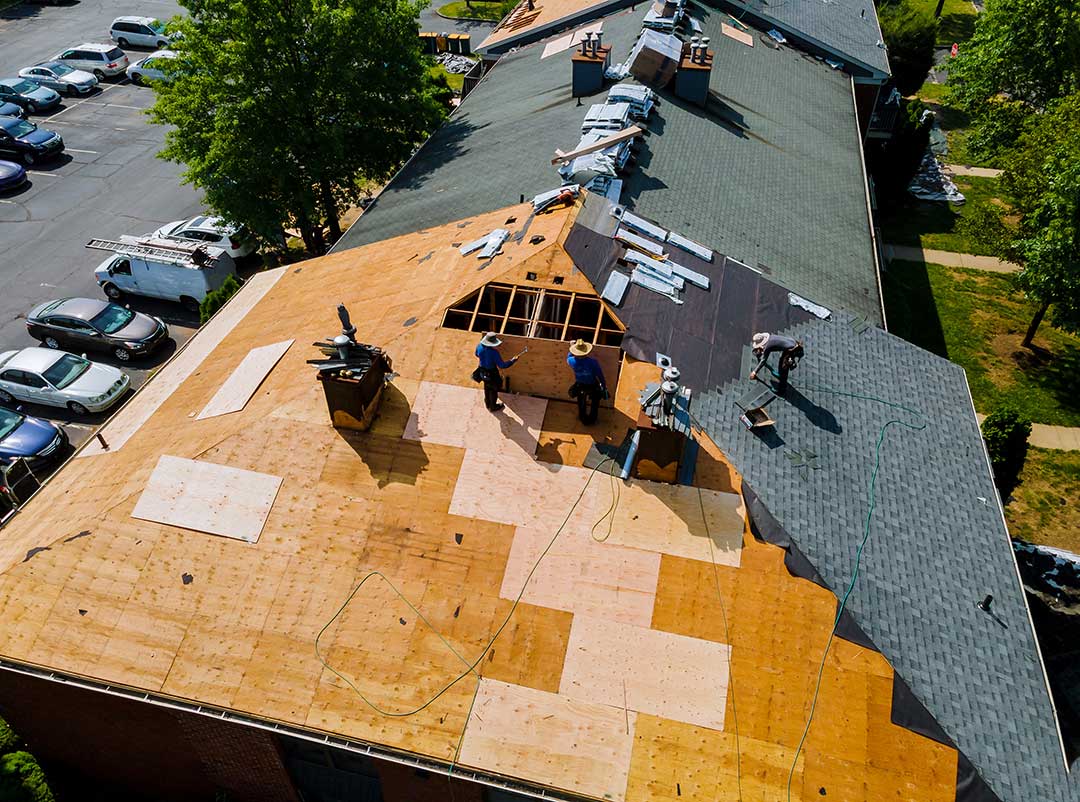
Common exhaust locations include:
- Ridge vents
- Static roof vents
- Gable vents
- Turbine or powered exhaust fans in limited applications
The exact arrangement depends on the roof shape, attic layout, insulation location, and existing construction. Exhaust vents should not simply be added without considering intake airflow. A powerful fan with inadequate intake may pull air from the house through ceiling leaks, carrying heat and moisture into the attic.
Mixing different exhaust strategies can also reduce effectiveness. For example, a ridge vent may not perform as intended if nearby gable or powered fans change the airflow pattern.
Do bathroom and kitchen fans affect roof ventilation?
They do, but those fans serve a different purpose. Bathroom, kitchen, and laundry exhaust should discharge outdoors through properly connected ducts, not into the attic. Sending moist air into the attic can create condensation, mold, and wood deterioration.
Ducts should be:
- Routed to the exterior
- Properly sealed at connections
- Insulated where condensation may form
- Terminated with suitable exterior caps
- Kept as short and direct as practical
A bathroom fan that appears to be working may still be causing damage if its duct ends beneath insulation or vents into the roof space.
Is a powered attic fan always helpful?
No. Powered attic fans can be useful in some designs, but they are not automatically an improvement. If intake openings are limited, a powered fan may draw conditioned air from the home rather than moving outdoor air through the intended ventilation path.
Before adding a fan, it is worth checking:
- Whether soffit or eave intake vents are open
- Whether insulation blocks the intake path
- Whether the attic floor is properly air-sealed
- Whether existing ridge, gable, or roof vents are interfering with one another
- Whether the fan has a reliable power source and appropriate controls
In many homes, correcting air leaks and restoring balanced passive ventilation provides more benefit than adding equipment.
What should residents check safely?
Attic inspections are most useful during different seasons because moisture and airflow problems may not be visible year-round. From a safe viewing position, residents can look for blocked soffit vents, displaced insulation, wet areas, frost, staining, disconnected exhaust ducts, or daylight around ceiling penetrations.
Avoid walking on attic insulation unless solid flooring or proper access is provided. Roof surfaces, steep slopes, icy conditions, and areas near electrical equipment create fall and shock hazards. Building-code requirements can also apply when a roof or attic is altered. New York’s current residential requirements address roof ventilation, insulation, air sealing, and mechanical exhaust, so substantial work should be evaluated against the code in effect when the project is permitted.
The most reliable roof assemblies use several measures together: a sound roof covering, working drainage, adequate insulation, careful air sealing, properly routed exhaust ducts, and balanced ventilation. Keeping those elements coordinated is what helps an attic remain dry in winter, less overheated in summer, and better able to protect the structure below.
