
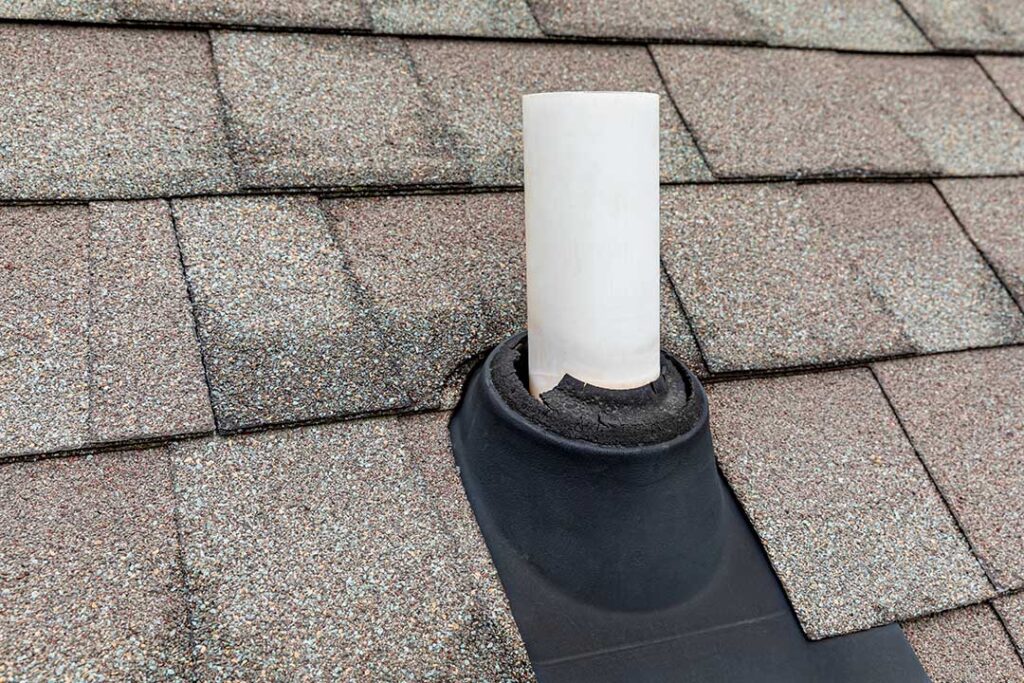
Humidity affects roofing materials gradually, often through repeated cycles of moisture absorption, drying, condensation, and temperature change. In Greene, NY, roofs may experience humid summers, wet shoulder seasons, snowmelt, and cold-weather condensation, so material performance depends on more than the roof covering alone. Ventilation, attic insulation, roof slope, shade, and maintenance all influence how moisture behaves.
What does humidity do to a roof?
Humidity adds moisture to the air surrounding the roof and can also increase the moisture content of roofing materials. A brief period of damp air is rarely harmful by itself. The greater concern is persistent moisture or repeated wetting and drying without enough time for the roof assembly to dry.
High humidity can contribute to:
- Expansion and contraction of wood components
- Premature aging of asphalt shingles
- Corrosion of metal fasteners and flashing
- Condensation on the underside of roof decking
- Mold or decay in damp wood
- Reduced effectiveness of insulation when moisture enters the attic
- Algae or moss growth in shaded, slow-drying areas
Humidity does not usually cause a roof to fail overnight. Instead, it can speed up existing weaknesses, especially where water is already trapped or air movement is poor.
How are asphalt shingles affected?
Asphalt shingles are designed to handle rain, snow, sunlight, and changing temperatures. Humid conditions become more damaging when moisture remains beneath or around the shingles.
Repeated moisture exposure can affect the shingle’s reinforcing mat and adhesive seals. As shingles age, they may become more brittle, lose surface granules, curl at the edges, or develop cracks. Humidity alone is not always the direct cause, but it can make these problems more likely when combined with poor ventilation, shading, wind-driven rain, or an aging roof.
The underside of a shingle roof also matters. If warm, moist air from the living space reaches a cold roof deck, condensation may form below the shingles. That moisture can make the decking damp even when the top surface looks intact.
A few dark areas on shingles do not automatically indicate structural damage. They may be caused by surface growth, accumulated dust, or natural weathering. However, widespread discoloration combined with curling, soft decking, or attic moisture deserves closer attention.
Can humidity damage roof decking and rafters?
Yes. Roof decking, rafters, and truss components are commonly made from wood products that respond to moisture. Wood swells when it absorbs moisture and shrinks as it dries. Repeated movement can loosen fasteners, distort panels, and create openings around roof penetrations.
Long-term dampness is more concerning than normal seasonal humidity. Wood that stays wet may develop:
- Dark staining or water marks
- A musty odor
- Soft or spongy areas
- Fungal growth
- Delamination in some panel products
- Sagging between supports
Water does not need to enter through a large roof leak to create these conditions. Condensation, blocked ventilation pathways, ice-related water backup, and humid indoor air can all contribute.
Why does attic ventilation matter?
Attic ventilation helps remove heat and moisture, but it is not a substitute for air sealing and proper insulation. A balanced system generally allows air to enter through low roof or eave areas and leave through higher portions of the roof. The exact arrangement depends on the roof design.
Poor ventilation may allow humid air to remain trapped against the roof deck. Excessive ventilation without adequate air sealing can also be ineffective if warm indoor air continues entering the attic through openings around light fixtures, wiring, plumbing, ducts, or attic access panels.
In Greene, NY, this issue can appear in different seasons:
- Summer: Warm, humid outdoor air can enter attic spaces, especially where ventilation is limited.
- Winter: Warm indoor air may rise into a cold attic and condense on the underside of the roof deck.
- Spring: Snowmelt and rain can expose weaknesses that developed during winter.
- Fall: Damp weather and falling temperatures can leave roof assemblies slow to dry.
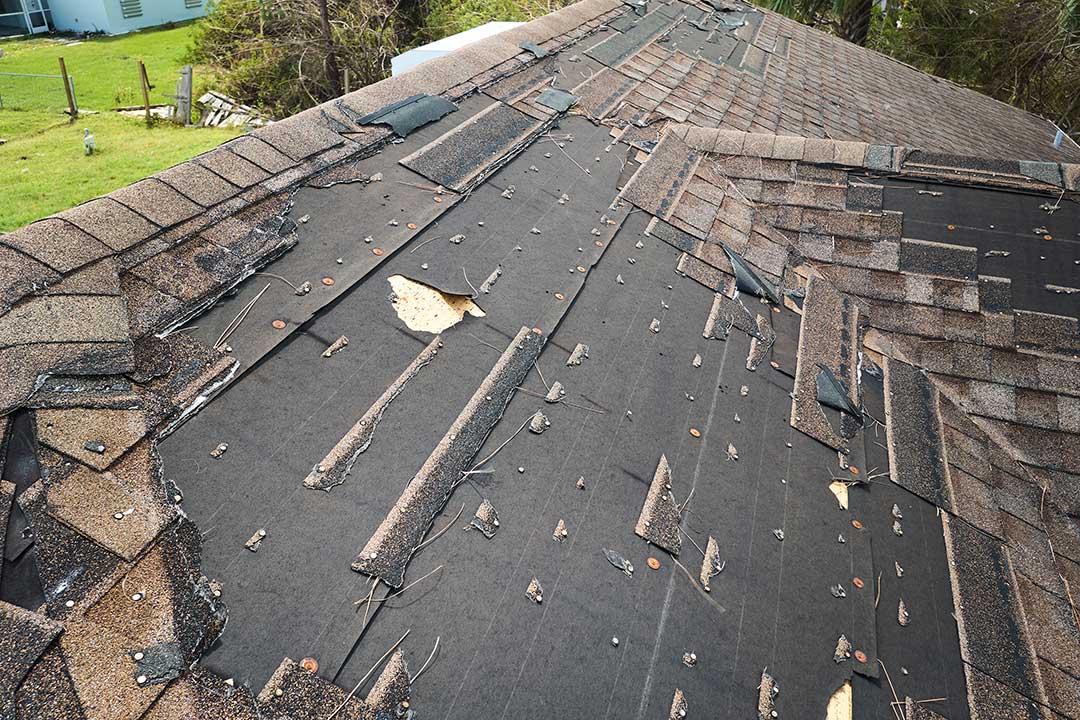
The goal is not to make the attic completely moisture-free. The goal is to prevent excessive moisture and allow normal moisture to escape.
Does humidity affect metal roofing?
Metal roofing generally resists moisture well, but the metal panels are only one part of the system. Fasteners, seams, flashing, underlayment, and penetrations can still be affected by damp conditions.
Corrosion is more likely where protective coatings are damaged, dissimilar metals are in contact, or moisture collects around fasteners and roof edges. Condensation can also form on the underside of metal panels when warm, humid air meets a cold surface. Without suitable underlayment, insulation, or ventilation, dripping from the panel underside may be mistaken for a roof leak.
Metal roofs can also experience thermal movement. Panels expand in warm conditions and contract in cold weather. Humidity may not cause this movement, but moisture can worsen problems at seams or fasteners that are already loose or improperly installed.
What about rubber and low-slope roofing materials?
Low-slope roofs and membrane systems are especially dependent on drainage and installation details. Materials such as synthetic membranes and rubber-like roofing products can perform well in damp climates, but standing water, clogged drains, and trapped moisture can shorten their service life.
Humidity may contribute to blistering when moisture becomes trapped between layers. It can also encourage biological growth near drains, roof edges, and shaded areas. A small amount of surface water may be expected on some low-slope roofs, but persistent ponding should not be treated as normal without understanding the roof’s design.
Does attic moisture always mean the roof is leaking?
No. Moisture in an attic can come from a roof leak, but condensation is another common cause. The distinction often depends on timing and location.
A roof leak may produce localized staining that becomes worse after rain or snowmelt. Condensation may create widespread dampness, frost on nails, staining near the roof ridge, or moisture that appears during cold weather even without precipitation.
Other sources include:
- Bathroom or kitchen exhaust venting into the attic
- Unsealed attic hatches
- Gaps around recessed lights or plumbing penetrations
- Ductwork that leaks warm, moist air
- Blocked soffit or ridge ventilation
- Snow accumulation followed by melting and refreezing
Exhaust fans should discharge outdoors rather than into an attic. Venting moisture into the roof space can create problems even when the roof covering itself is in good condition.
How can residents monitor humidity-related roofing problems?
Regular observation is useful, particularly after heavy rain, snowmelt, or long periods of damp weather. From a safe location, look for missing shingles, lifted flashing, clogged drainage areas, or unusual roof discoloration. Inside the attic, check for staining, damp insulation, rusty fasteners, or a persistent musty smell.
A simple indoor hygrometer can help identify unusually humid living conditions, but indoor humidity readings do not reveal every attic problem. A roof assembly may have condensation even when the rooms below feel comfortable.
Seek qualified help when inspection requires walking on a steep, wet, icy, or deteriorated roof; when wood feels soft; when sagging is visible; or when electrical equipment may have been exposed to moisture. These conditions create safety risks beyond ordinary maintenance.
Humidity is a normal part of the local environment. Roofing problems develop when moisture remains trapped, drainage is poor, ventilation is unbalanced, or small defects are left exposed through repeated seasons. Understanding where moisture comes from—and whether the roof can dry properly—is often more useful than focusing only on the visible shingles.
