
How often should a roof be inspected in Greene, NY?
Most homes should receive a careful roof inspection at least once a year, with additional inspections after severe weather or whenever warning signs appear. For many households, early spring and early fall are the most useful times because they reveal seasonal damage and allow repairs to be planned before more demanding weather arrives.
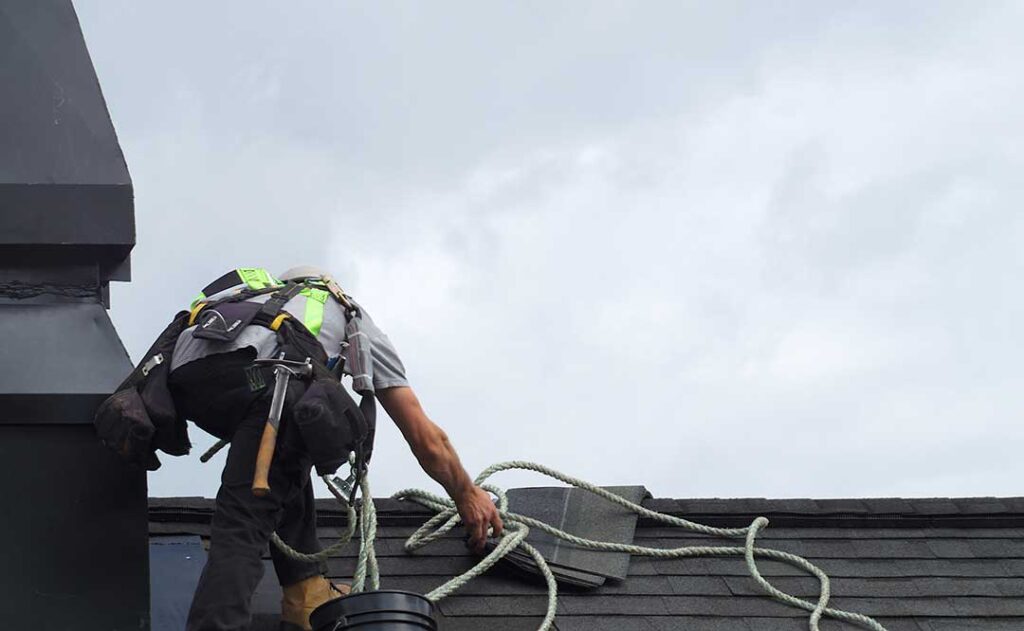
An inspection does not always mean walking across the roof. A qualified inspection may include viewing the roof covering, flashing, drainage areas, attic, ceilings, and visible structural components from safe locations. Walking on a roof can damage certain materials or create a fall hazard, especially when surfaces are wet, icy, steep, or deteriorated.
The right timing depends on several factors:
- The age and condition of the roof
- The type of roofing material
- Recent wind, hail, heavy rain, or snow
- The presence of trees near the house
- Previous leaks or repairs
- Attic ventilation and moisture conditions
- Whether the home is being bought, sold, renovated, or insured
Why spring is a useful time for a roof inspection
A spring inspection can identify problems caused or revealed by winter weather. Freeze-thaw cycles, snow accumulation, ice buildup, wind, and falling branches may loosen roofing materials or expose weak areas that were not obvious before the season began.
Look for signs such as:
- Missing, cracked, lifted, or curled shingles
- Metal flashing that has shifted or separated
- Granules collecting in gutters or near downspouts
- Water stains on attic wood, ceilings, or upper walls
- Damp insulation or a musty attic smell
- Sagging roof lines or visible distortion
- Blocked or damaged gutters and drainage paths
Spring is also a practical time to check whether melting snow and repeated rain are reaching areas around chimneys, roof valleys, skylights, vents, and wall intersections. These locations depend heavily on flashing and drainage, so a small defect may cause interior damage even when the main field of the roof appears intact.
Is fall inspection necessary if the roof looks fine?
Yes. A fall inspection can help identify conditions that may become more serious during winter. A roof that appears sound from the ground may still have loose fasteners, deteriorated flashing, clogged drainage, or aging materials that are less able to handle snow, ice, and strong wind.
Before the colder months, it is useful to confirm that:
- Gutters and downspouts can carry water away from the structure
- Roof valleys are clear of leaves and debris
- Flashing is secure around penetrations and wall connections
- Attic ventilation is not blocked
- Insulation is dry and free from signs of recurring moisture
- Tree limbs are not rubbing against or hanging over the roof
- Previous temporary repairs have not failed
Homes surrounded by mature trees may need closer attention in autumn because leaves can collect in valleys and gutters. Organic debris holds moisture against roofing materials and can interfere with drainage during rain or snowmelt.
When should a roof be inspected after a storm?
A roof should be checked after strong wind, hail, heavy rain, fallen branches, or unusually heavy snow. The inspection is especially important if the event caused power outages, downed trees, damaged siding, or other visible property damage nearby.
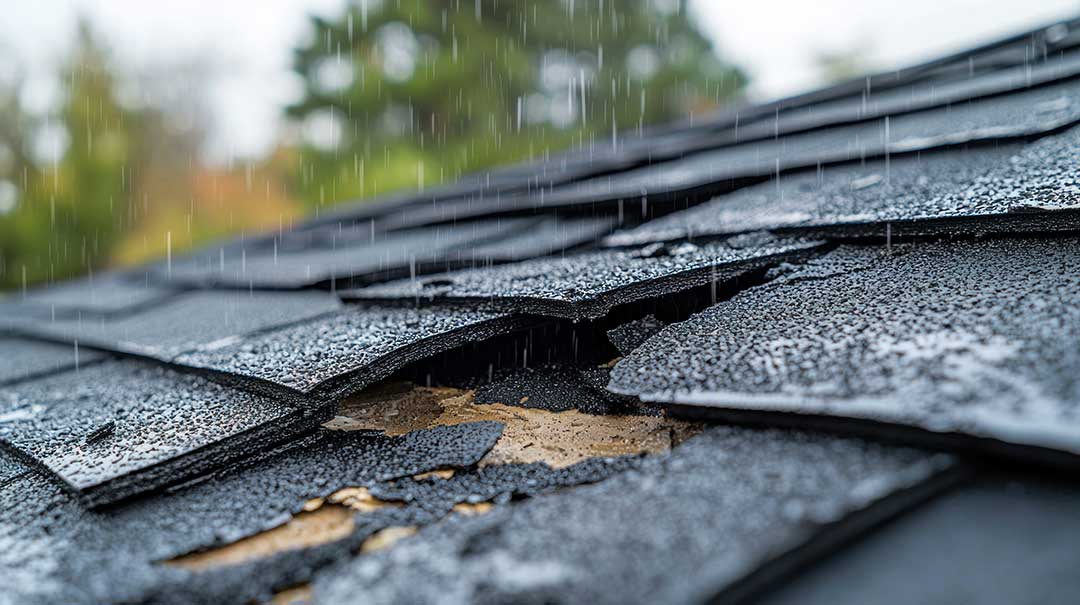
Storm damage is not always obvious from the ground. Wind can lift shingle edges without removing them completely. Hail may bruise or fracture roofing materials. Heavy snow can place additional stress on the roof structure, while ice dams can force water beneath roof coverings and into attic spaces.
Do not climb onto the roof immediately after a storm. Downed wires, unstable branches, slippery surfaces, and hidden structural damage create serious hazards. If there is active leaking, a sagging ceiling, a strong electrical concern, or visible structural movement, occupants should stay clear of the affected area until it is safe to assess.
What signs mean an inspection should happen sooner?
A roof inspection should not wait for the next seasonal maintenance date when warning signs are present. Interior symptoms can be just as important as exterior damage.
Arrange for an assessment sooner when there is:
- A new ceiling or wall stain
- Dripping or dampness in the attic
- Peeling paint near an upper-floor ceiling
- Daylight visible through the roof deck
- Shingles found in the yard after wind
- A sudden increase in gutter granules
- A sagging ridge, roof plane, or ceiling
- Drafts or unusual moisture in the attic
- Mold-like growth linked to recurring dampness
- A recent repair that appears loose or incomplete
A stain may remain visible long after the roof has dried, but that does not mean the underlying problem has stopped. Water can travel along rafters, insulation, or roof decking before appearing inside the home.
Does roof age change the inspection schedule?
Yes. Older roofs generally benefit from more frequent monitoring, particularly when they are approaching the expected service range of their materials or have a history of repairs.
Age alone does not prove that a roof needs replacement. A relatively old roof may still be performing adequately if it has been well maintained, while a newer roof may develop problems because of storm damage, installation defects, poor ventilation, or drainage issues.
For an aging roof, an inspection can help distinguish between:
- Isolated maintenance needs
- Widespread material deterioration
- Moisture damage beneath the visible roof covering
- Ventilation or insulation problems
- Structural concerns
- Conditions that may require near-term planning
This information is more useful than relying only on a roof’s installation date.
Should a roof be inspected before buying or selling a home?
A roof inspection is worthwhile before a real estate transaction because roof condition can affect safety, maintenance planning, financing, insurance, and negotiations. A general home inspection may describe visible roofing materials and conditions, but it may not include every specialized assessment or a full evaluation of concealed areas.
Buyers should ask what was actually observed, whether the roof was accessed, and whether attic spaces were examined. Sellers may also benefit from learning about unresolved leaks or drainage problems before listing a property.
Inspection reports should be read carefully. Phrases such as “near the end of useful life,” “monitor,” or “limited visibility” do not all mean the same thing. The report should identify observed defects, areas that could not be accessed, and whether further evaluation is warranted.
What can residents safely check themselves?
Homeowners can perform limited ground-level and interior checks without climbing onto the roof. Use binoculars to look for missing or uneven materials, exposed underlayment, damaged flashing, sagging, or branches touching the roof. From the attic, look for stains, damp insulation, daylight, rusted fasteners, or wet wood after rain.
Keep gutters and downspouts clear, but use safe equipment and avoid leaning ladders against unstable surfaces or attempting roof access. Roof inspection becomes hazardous when surfaces are wet, icy, steep, fragile, or close to overhead utilities.
For most homes, a sensible pattern is a spring check, a fall check, and an additional assessment after major weather or any sign of water intrusion. That schedule helps local households address small issues before seasonal conditions turn them into interior damage or structural concerns.
