
Hail damage is not always obvious from the ground. A roof can look intact while individual shingles, flashing, vents, gutters, or roof edges have been weakened by a storm. For residents of Greene, NY, learning what to look for after severe weather can help identify problems before water enters the home.
What does hail damage look like on a roof?
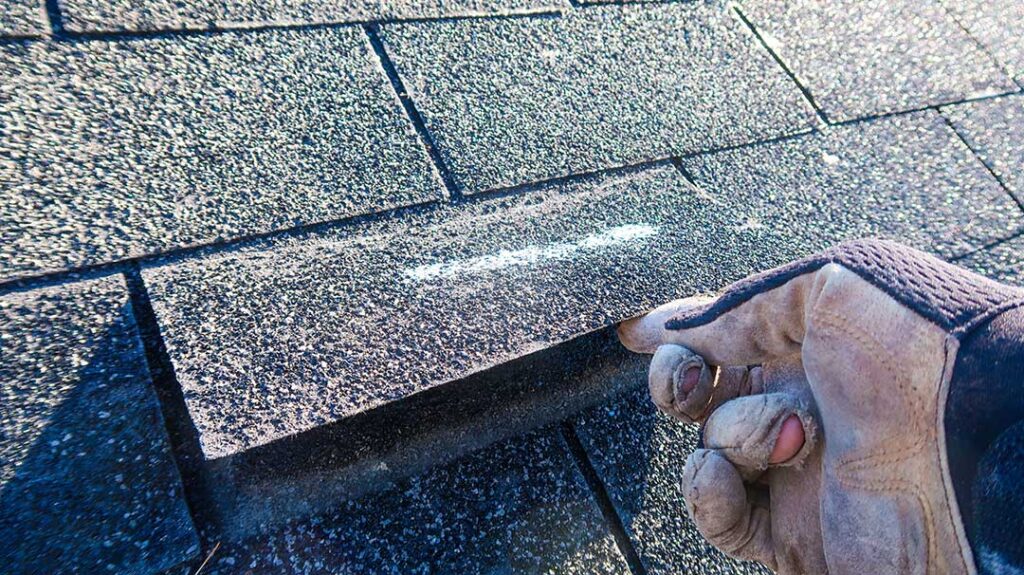
Hail damage often appears as small dents, bruises, cracks, or areas where the protective surface of a shingle has been knocked away. The marks may be scattered rather than covering the entire roof.
Common signs include:
- Round or irregular dents in asphalt shingles
- Dark spots where granules have been knocked loose
- Exposed fiberglass mat beneath the shingle surface
- Cracked, split, or broken shingles
- Missing granules in roof valleys or near roof edges
- Dented metal flashing, vents, gutters, or downspouts
- Loose pieces of roofing material in the yard or near downspouts
A hail impact may not create a hole. Instead, it can weaken the shingle’s weather-resistant layer and shorten its service life. Damage may become easier to see after the roof dries and the lighting changes.
Can hail damage be seen from the ground?
Some damage is visible from the ground, but a complete inspection usually requires a closer look. From a safe location, check whether shingles appear uneven, lifted, missing, or noticeably darker in isolated spots.
Binoculars can help reveal:
- Repeated circular marks across several shingles
- Broken shingle corners
- Missing tabs
- Uneven rows
- Bare-looking patches where granules have been displaced
Do not climb onto a wet or steep roof to inspect it. Hailstorms are often followed by rain, slippery surfaces, and unstable roofing materials. A roof edge, ladder, or elevated deck can also be hazardous, especially when wind has damaged nearby trees or utility equipment.
What should be checked besides the shingles?
Hail can damage several roof components, not just the visible shingle surface. Metal objects often show dents more clearly than asphalt roofing.
Look at the following areas from the ground or from a safe, accessible location:
Gutters and downspouts
Dents along the upper edge of a gutter may indicate the direction and force of the hail. Check whether downspouts are bent, separated, or blocked by roofing granules.
Roof vents and metal flashing
Vents, chimney flashing, pipe collars, and other exposed metal components may have shallow dents. Cracks or displaced flashing can allow water to reach the roof deck or attic.
Fascia, soffits, and siding
Hail can leave dimples, chips, or impact marks on painted wood, vinyl, aluminum, and other exterior materials. Damage on these surfaces can help confirm that a storm affected the roof, even when the shingles are difficult to examine.
Skylights and window screens
Cracked skylight panels, damaged screens, and chipped trim may be overlooked during a quick roof inspection. These areas can also reveal the approximate size and direction of hailstones.
How can hail damage be distinguished from normal roof aging?
Normal aging usually produces gradual, widespread wear. Hail damage tends to appear as more localized impact marks or irregular areas of granule loss.
Aging shingles may show:
- General fading across much of the roof
- Brittle or curled edges
- Widespread granule loss
- Cracking along many shingles
- Loss of flexibility
- Moss or algae growth in shaded areas
Hail damage is more likely when there are fresh-looking dents, exposed dark substrate, fractured surfaces, or similar impact marks across different roof sections. Storm debris can also scrape or puncture shingles, so not every mark is caused directly by hail.
A dark spot alone does not prove damage. Some shingles contain natural color variations, and older granule loss may result from weathering, foot traffic, gutter work, or falling branches.
Why are roof valleys and edges worth checking?
Roof valleys, eaves, ridges, and areas around penetrations receive concentrated runoff and are common locations for visible damage. Hail can knock loose granules from these exposed areas, while wind may lift shingles near edges.
After a storm, check for:
- Granules collected at the bottom of gutters
- Shingle fragments near downspouts
- Lifted edges along eaves
- Damage around roof vents and plumbing penetrations
- Exposed underlayment or wood
- Water stains near ceilings, skylights, or upper walls
Granules in gutters do not automatically mean hail damage. Some loss is normal as asphalt shingles age. A sudden increase after a storm, especially when combined with dents or bare spots, deserves closer attention.
Can hail damage cause leaks immediately?
Sometimes, but not always. A large impact can puncture a shingle or damage flashing during the storm. Smaller impacts may only weaken the surface, with leaking appearing later after repeated rain, freezing, thawing, and temperature changes.
In Greene, seasonal shifts can place additional stress on already weakened roofing materials. Water may enter through a damaged area and travel along the roof deck, rafters, or insulation before appearing as an interior stain. The visible location of a ceiling mark may therefore be different from the actual entry point.
After a significant storm, inspect attic spaces if they are safely accessible. Look for damp insulation, darkened wood, dripping water, or daylight visible through the roof. Use caution around electrical wiring and do not enter an attic with active water intrusion near electrical equipment.
What should be done if damage is suspected?
Document the condition from the ground and from safe areas. Photographs can show the overall roof, individual marks, damaged metal components, debris, gutters, and any interior water stains. Record the storm date and note whether heavy rain, strong wind, or hail occurred.
Temporary measures may be appropriate when water is actively entering the home, but coverings, ladders, and roof access can create additional hazards if used improperly. Avoid walking on damaged shingles because foot traffic can worsen cracks and remove more granules.
If the roof has exposed underlayment, a visible opening, active leaking, or structural sagging, prompt attention is warranted for safety and to limit interior damage. Severe weather can also leave downed lines, unstable branches, and damaged gutters around the house, so exterior inspection should be delayed until the surrounding area is safe.
Does every hailstorm require roof replacement?
No. Hail damage varies widely, and a storm does not automatically mean the entire roof needs replacement. Some impacts affect only accessories or a limited group of shingles. Other roofs may have older materials that were already near the end of their useful life.
The appropriate response depends on the number and severity of damaged areas, the condition of the underlying roof system, the age and type of roofing material, and whether water is entering the building. A careful assessment should distinguish repairable damage from normal aging and cosmetic marks.
Residents should also review their property insurance policy for storm-related reporting requirements, deductibles, documentation rules, and deadlines. Insurance coverage and claim procedures differ by policy, so the written policy is the controlling source.
What common mistakes should homeowners avoid?
Several inspection mistakes can make the situation less clear or create unnecessary risk:
- Assuming a roof is undamaged because there is no interior leak
- Treating all dark spots as proof of hail impact
- Walking across shingles to look for dents
- Removing damaged materials before documenting them
- Ignoring gutters and metal roof components
- Waiting through several storms after noticing exposed roofing material
- Confusing old weathering with recent storm damage
A cautious ground-level inspection, clear documentation, and attention to both roofing and exterior components provide a more reliable picture of what happened after a hailstorm.
