
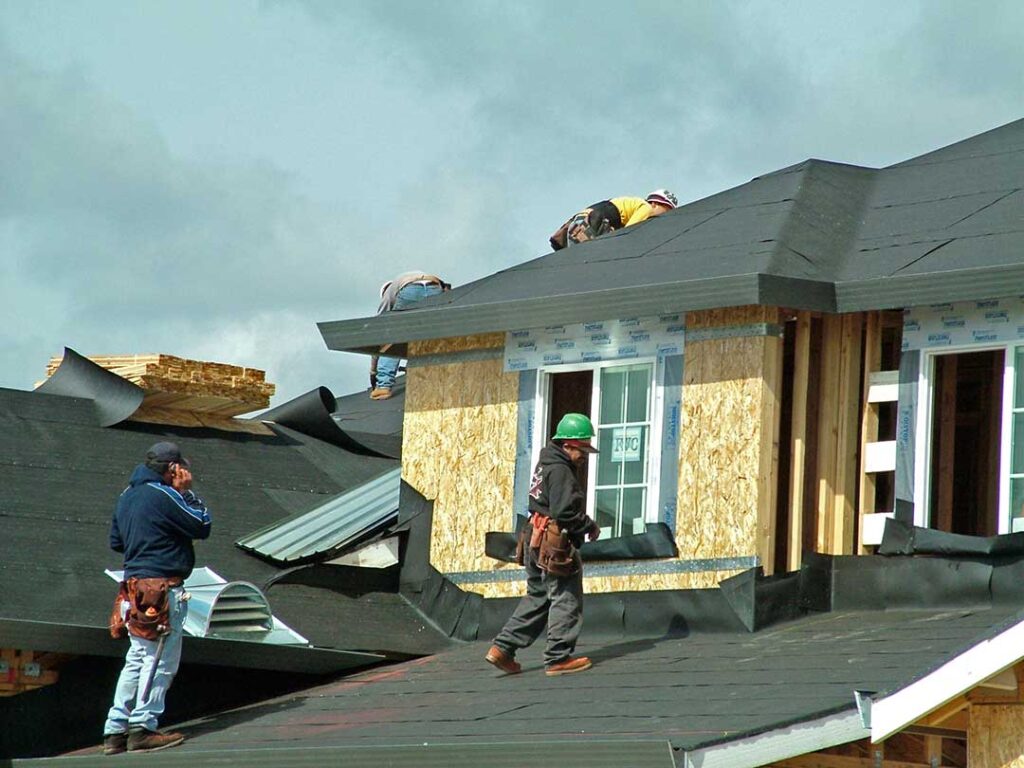
A roof inspection is a careful review of the roof system to identify damage, aging materials, drainage problems, and conditions that could lead to leaks. For homeowners in Greene, NY, inspections are especially useful after winter weather, strong wind, heavy rain, or long periods of snow and ice.
An inspection does not always mean the roof needs replacement. In many cases, it helps identify a small problem early, before water reaches insulation, ceilings, framing, or interior finishes.
What does a roof inspection include?
A roof inspection examines more than the shingles visible from the ground. A thorough review considers the roof covering, flashing, drainage, ventilation, and areas where the roof connects with other parts of the home.
The inspection may include:
- Shingles, metal panels, membrane materials, or other roof coverings
- Missing, cracked, curled, loose, or damaged materials
- Valleys where two roof sections meet
- Flashing around chimneys, vents, skylights, and wall intersections
- Ridge caps and exposed fasteners
- Gutters, downspouts, and roof edges
- Signs of sagging or uneven roof surfaces
- Attic insulation, ventilation, daylight, dampness, or staining
- Moss, algae, leaves, branches, and other debris
Some portions can be reviewed from the ground, but a close inspection may require access to the roof or attic. Walking on a roof can damage fragile materials and create a fall hazard, particularly when the surface is wet, icy, steep, or deteriorated.
How often should a roof be inspected?
Most homes benefit from a roof inspection at least once a year, along with an additional review after a significant weather event. A yearly inspection is more useful when scheduled before a problem becomes obvious.
For households in the community, practical inspection times often include:
- Spring, to look for damage from snow, ice, wind, and freeze-thaw cycles
- Late summer or early fall, before leaves and winter weather create additional drainage concerns
- After unusually strong wind, hail, heavy rain, or falling branches
- Before buying or selling a home
- After noticing a ceiling stain, musty odor, water mark, or unexplained increase in indoor moisture
A newer roof may not need the same level of attention as an older one, but age does not eliminate the need for inspection. Installation details, attic ventilation, tree exposure, and storm conditions can affect performance.
What roof problems should homeowners look for?
The most visible warning signs are not always the most serious. A few missing shingles may be easier to notice than deteriorated flashing or water entering around a vent.
From the ground, look for:
- Shingles that are missing, lifted, cracked, blistered, or noticeably uneven
- Dark patches or areas that appear smoother than surrounding shingles
- Exposed underlayment or roof decking
- Sagging along the roofline
- Granules collecting in gutters or near downspouts
- Damaged metal around chimneys, vents, or roof edges
- Moss or plant growth that holds moisture against the roof surface
- Gutter sections pulling away from the house
- Water flowing over the sides of gutters during rain
Inside the home, check the attic and upper-floor ceilings for brown stains, peeling paint, damp insulation, musty smells, or visible daylight through the roof deck. A ceiling stain may remain after the roof has dried, so the absence of active dripping does not prove that the underlying problem is gone.
Why are flashing and drainage so important?
Flashing and drainage control where water goes. Even sound shingles cannot prevent leaks if water collects in a valley, backs up behind a clogged gutter, or enters through a failed seal.
Flashing is used around roof penetrations and transitions, including chimneys, plumbing vents, skylights, walls, and dormers. These areas move slightly as materials expand, contract, freeze, and thaw. If flashing is loose, corroded, cracked, or improperly installed, water may enter beneath the roof covering.
Drainage problems are also common after leaves and small branches collect on the roof or in gutters. Clogged gutters can cause water to spill against siding, soak fascia boards, or collect near the foundation. Downspouts should direct water away from the home rather than discharge it directly beside the foundation.
Can homeowners inspect a roof themselves?
Homeowners can perform a safe visual check from the ground and inspect accessible attic areas, but climbing onto the roof is not necessary for a routine household review. Ladders, steep slopes, wet surfaces, and hidden damage create avoidable risks.
A basic ground-level inspection can include:
- Looking at roof slopes from several angles
- Checking for visible material loss or sagging
- Observing whether gutters are full or pulling away
- Looking for damaged branches resting on the roof
- Checking attic areas for dampness or staining
- Reviewing interior ceilings after severe weather
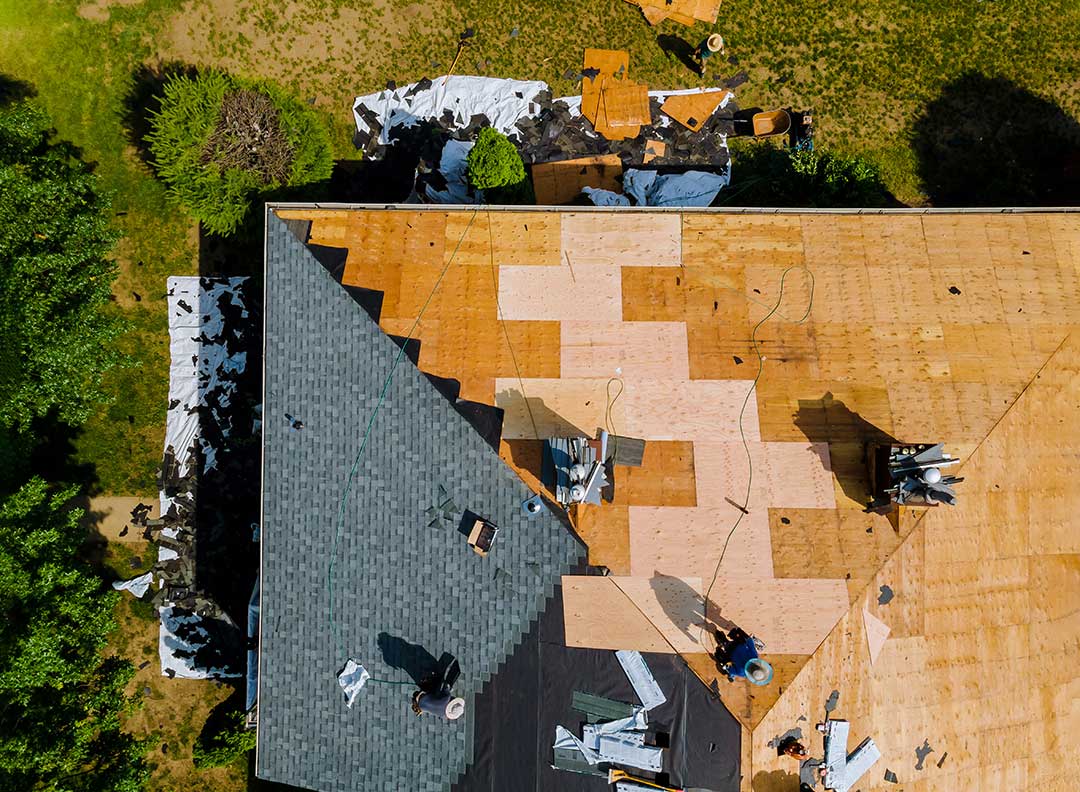
Do not enter an attic if the space has unsafe flooring, exposed electrical hazards, extreme heat, structural concerns, or signs of contamination. Do not attempt to inspect a roof during rain, snow, ice, or high wind.
What should happen after storm damage?
After severe weather, document visible conditions from a safe location. Photographs can help show the date, approximate area, and type of damage. Avoid disturbing fallen materials until safety concerns have been addressed, especially if branches, wires, or structural damage are present.
A roof may appear intact from the ground while having damaged flashing, lifted edges, punctures, or water beneath the surface. Temporary measures may reduce additional water entry, but covering a roof with a tarp or making repairs near electrical lines can be dangerous if done without proper equipment and training.
If water is actively entering the home, move belongings away from the affected area, place a container under drips when safe, and watch for bulging ceilings. A bulging ceiling can indicate accumulated water and should not be punctured from below.
Does an inspection determine whether a roof needs replacement?
An inspection can identify the roof’s condition, but replacement should not be based on age alone. A roof that is older may still have usable materials, while a newer roof may have localized damage or installation problems.
The evaluation should consider:
- The extent and location of damage
- Whether problems are isolated or widespread
- The condition of the roof deck and underlayment
- Evidence of repeated leaks
- Remaining service life of the roof covering
- Ventilation and moisture conditions in the attic
- The effect of repairs on the rest of the roof system
A repair may be reasonable when damage is limited and surrounding materials remain sound. More extensive work may be necessary when leaks are widespread, the decking is compromised, or the roof covering has reached the end of its useful condition.
What questions should a homeowner ask after an inspection?
A useful inspection report should explain what was observed, where it was found, and how urgent it is. Homeowners should be able to distinguish between immediate safety concerns, maintenance items, recommended repairs, and conditions that can simply be monitored.
Helpful questions include:
- Which findings require prompt attention?
- Is there active water entry or only past staining?
- Are the gutters and flashing functioning properly?
- Is the attic adequately ventilated and dry?
- Are repairs localized or spread across several roof areas?
- What conditions should be checked again after the next storm or season?
- Are there photographs or clear descriptions showing each concern?
Keeping inspection notes, photographs, repair records, and approximate roof age can make future maintenance easier. For homes exposed to repeated snow, ice, wind, and seasonal temperature changes, that record provides useful context for tracking whether a condition is stable or worsening.
