
A typical roof lasts about 15 to 30 years, but the actual service life depends on the roofing material, installation quality, ventilation, weather exposure, and maintenance history. In Greene, NY, seasonal snow, ice, wind, summer heat, and repeated freeze-thaw cycles can affect roofing materials over time.
Age is useful for estimating remaining life, but visible condition is usually more informative than the calendar alone.
How long do common roofing materials last?
Asphalt shingles are the most common roofing material on many homes and generally last:
- Basic three-tab shingles: about 15 to 20 years
- Architectural or dimensional shingles: about 25 to 30 years
- Premium designer shingles: roughly 30 to 40 years, depending on construction and exposure
Metal roofing commonly lasts 40 to 70 years. Its lifespan varies by the type of metal, protective finish, fastening system, slope, and quality of installation. Metal can be durable in snowy conditions, but poorly designed snow-shedding areas may create hazards near entrances, walkways, or lower roof sections.
Wood shingles and shakes may last about 20 to 40 years when properly installed and maintained. They require more attention than asphalt because moisture, moss, rot, insects, and poor airflow can shorten their service life.
Slate, clay tile, and other masonry-based roofing materials can last 50 to 100 years or longer. The roofing material itself may remain durable, but the underlying structure, flashing, fasteners, and supporting components may need repair before the roof reaches that age.
These ranges are estimates rather than guarantees. A roof exposed to strong sun, persistent moisture, falling branches, or repeated ice buildup may age faster than a similar roof in a more protected location.
What affects roof life in Greene, NY?
Local weather has a direct effect on roofing materials. A roof in Greene, NY may experience heavy snow, wind-driven rain, ice formation, hot summer surfaces, and repeated periods when water freezes and melts. Each condition creates different stresses.
Freeze-thaw cycles can open small cracks or enlarge weaknesses around flashing and penetrations. Snow itself is not always damaging, but heavy accumulation can add structural load, especially when combined with saturated snow or ice. Ice dams can allow water to back up beneath shingles and enter along roof edges.
Other conditions that influence lifespan include:
- Limited attic ventilation, which can trap heat and moisture
- Inadequate insulation that contributes to uneven roof temperatures
- Tree limbs rubbing against shingles
- Leaves and organic debris holding moisture against the roof
- Improperly installed flashing around chimneys, vents, skylights, and walls
- Missing or damaged shingles after wind events
- Moss or algae growth in persistently shaded areas
- Gutters that overflow and keep roof edges wet
A roof can appear acceptable from the ground while concealed problems develop around valleys, eaves, flashing, or attic ventilation pathways.
How can a homeowner tell whether a roof is nearing the end of its life?
Several warning signs suggest that a roof may need closer evaluation:
- Shingles that are cracked, curled, buckled, or missing
- Granules collecting in gutters or at downspout outlets
- Dark patches or exposed fiberglass on shingle surfaces
- Sagging along the roofline or between framing members
- Water stains on ceilings, walls, or attic wood
- Damp insulation or musty attic odors
- Daylight visible through the roof deck
- Rusted, loose, or deteriorated flashing
- Repeated leaks after snow, wind, or heavy rain
A small ceiling stain does not always reveal the location of the roof problem. Water can travel along decking, rafters, insulation, or interior framing before becoming visible indoors.
Age also matters. An asphalt roof that is 20 years old may still have useful service remaining, while a younger roof with poor ventilation or storm damage may already require substantial repairs.
Does regular maintenance extend roof life?
Routine maintenance can help a roof reach the higher end of its expected lifespan, although it cannot stop normal aging. Maintenance is most useful when it identifies minor problems before water reaches the roof deck or interior of the home.
Practical steps include:
- Clearing leaves and debris from valleys and roof edges when safe
- Keeping gutters and downspouts open so water drains away from the structure
- Checking attic insulation and ventilation for signs of moisture or condensation
- Trimming branches that touch or overhang the roof
- Looking for loose or missing shingles after major wind events
- Checking flashing and roof penetrations for visible deterioration
- Watching for ice buildup and water entry during winter weather
- Photographing changes over time to compare roof condition from season to season
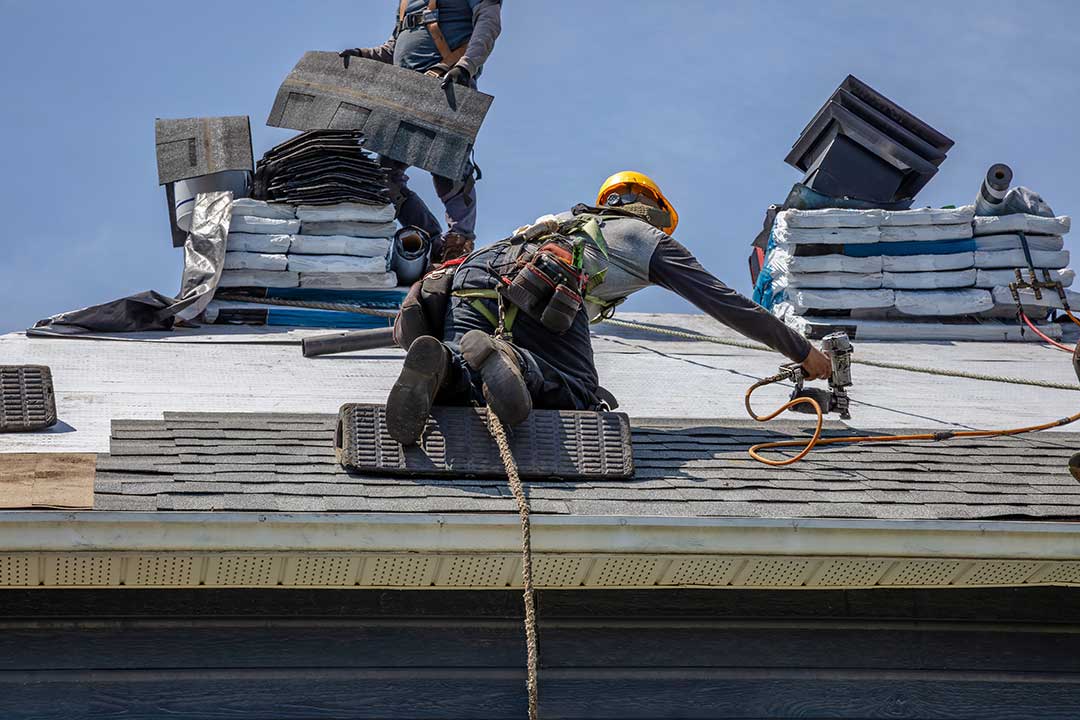
Walking on shingles can cause damage, particularly when the material is brittle, cold, wet, or aged. Roof inspections also become hazardous during snow, ice, high winds, or wet conditions. Safety concerns justify using qualified assistance rather than attempting a roof-level inspection without suitable equipment and experience.
Are roof repairs better than replacement?
Repairs are often reasonable when damage is limited and the surrounding roofing remains in good condition. A few missing shingles, isolated flashing failures, or a small area damaged by a branch may not require full replacement.
Replacement becomes more likely when problems are widespread, repairs are recurring, the roof has reached the normal lifespan of its material, or moisture has affected the decking and structure. Multiple layers of old roofing can also limit repair options and add weight to the roof system.
A roof that has one leak is not automatically a candidate for replacement. Conversely, repeated small leaks may indicate that the roof’s water-shedding system is deteriorating across a larger area.
Does a new roof always last as long as its expected rating?
No. A material’s advertised lifespan assumes suitable installation, proper ventilation, compatible components, and normal exposure. Installation details can have as much influence as the shingle or panel itself.
Important factors include correct underlayment, properly designed flashing, adequate edge protection, secure fastening, appropriate ventilation, and attention to roof slope. The condition of the roof deck also matters. New covering installed over damaged or damp decking may not perform as expected.
Warranty language should not be treated as a guaranteed service life. Warranties often contain limits, maintenance requirements, prorated coverage, and exclusions related to installation, severe weather, ventilation, or underlying structural problems.
What is a realistic planning schedule?
For a typical asphalt-shingle roof, homeowners often begin monitoring condition more closely after about 15 years. A roof approaching 20 to 25 years deserves particular attention, especially if it has experienced leaks, storm damage, heavy moss growth, or visible surface deterioration.
Metal, slate, tile, and other long-lasting systems may require earlier attention to fasteners, flashing, seals, or supporting components even when the primary roofing material remains intact.
Keeping records of the installation date, repairs, leaks, storm events, and visible changes makes future decisions more practical. In many cases, the most useful question is not simply “How old is the roof?” but “What evidence shows how the roof is performing now?”
