
What does roof pitch mean?
Roof pitch describes how steeply a roof rises compared with how far it travels horizontally. A roof with a 6:12 pitch rises 6 inches for every 12 inches of horizontal distance. The first number represents the rise, and the second represents the run.
Roof pitch is often confused with roof slope. In everyday roofing conversations, the terms are usually used interchangeably. Technically, pitch may refer to the roof’s overall proportion, while slope is commonly expressed as a rise-over-run measurement.
Examples include:
- Low slope: 2:12 or 3:12
- Moderate slope: 4:12 to 6:12
- Steep slope: 8:12 or higher
A roof’s pitch affects much more than appearance. It influences drainage, material selection, attic space, ventilation, snow behavior, maintenance access, and the way the roof structure handles loads.
Why does roof pitch matter in Greene, NY?
Roof pitch matters in Greene because roofs must manage rain, ice, snow, wind, and repeated freeze-thaw cycles. A suitable slope helps precipitation move off the roof instead of remaining on the surface or collecting around seams, valleys, chimneys, and other penetrations.
During winter, a steeper roof may shed snow more readily than a low-slope roof. That does not mean snow will always slide off, or that a steep roof cannot carry significant weight. Snow can remain on rough roofing surfaces, behind roof projections, or in sheltered areas. Wind can also create uneven drifting, placing greater loads on some parts of the structure than others.
New York’s building requirements account for regional snow loads and structural design conditions. Roof pitch is only one part of that calculation. The framing system, span, roof shape, building location, elevation, material weight, and snow drifting conditions also affect how a roof should be designed.
How is roof pitch measured?
Roof pitch can be measured from the attic, from exposed framing, or with specialized tools placed along the roof surface. Measuring from the ground by sight is not reliable because roof edges, dormers, and perspective can make a roof appear steeper or flatter than it really is.
A 4:12 roof rises 4 inches over a 12-inch run. A 9:12 roof rises 9 inches over that same horizontal distance, making it substantially steeper.
The measurement helps determine:
- Which roofing materials are suitable
- How much material is needed
- How easily water will drain
- Whether an attic has usable headroom
- How difficult inspection and maintenance may be
- How roof edges, valleys, and flashing should be detailed
For an existing home, the roof pitch may also provide clues about the building’s age and original design. Older homes may have roof structures and ventilation arrangements that differ from newer construction, even when the visible roofing material looks similar.
What roofing materials work with different pitches?
Roofing materials are designed for specific slope ranges. Asphalt shingles, metal panels, slate, tile, and membrane systems do not all handle water in the same way.
Steeper roofs generally drain water more effectively and can accommodate many common steep-slope roofing materials. Low-slope roofs require more careful water-management details because water moves more slowly and may remain on the surface longer.
For a low-slope section, the roofing system may need:
- A material approved for low-slope use
- Overlapping or sealed seams
- Properly designed drainage paths
- Carefully installed flashing
- Fewer areas where water can collect
Installing a material outside its appropriate pitch range can increase the chance of leaks, premature wear, or installation problems. The roof covering should always be matched to the actual slope and the manufacturer’s installation requirements.
Does a steeper roof always perform better?
No. A steeper roof can move rain and snow efficiently, but it also creates different challenges.
Steep roofs are more exposed to wind at certain angles and may require stronger fastening and carefully installed edge details. They are also harder and more hazardous to walk on. Snow sliding from a steep roof can create a safety issue near entrances, walkways, decks, or lower roof sections.
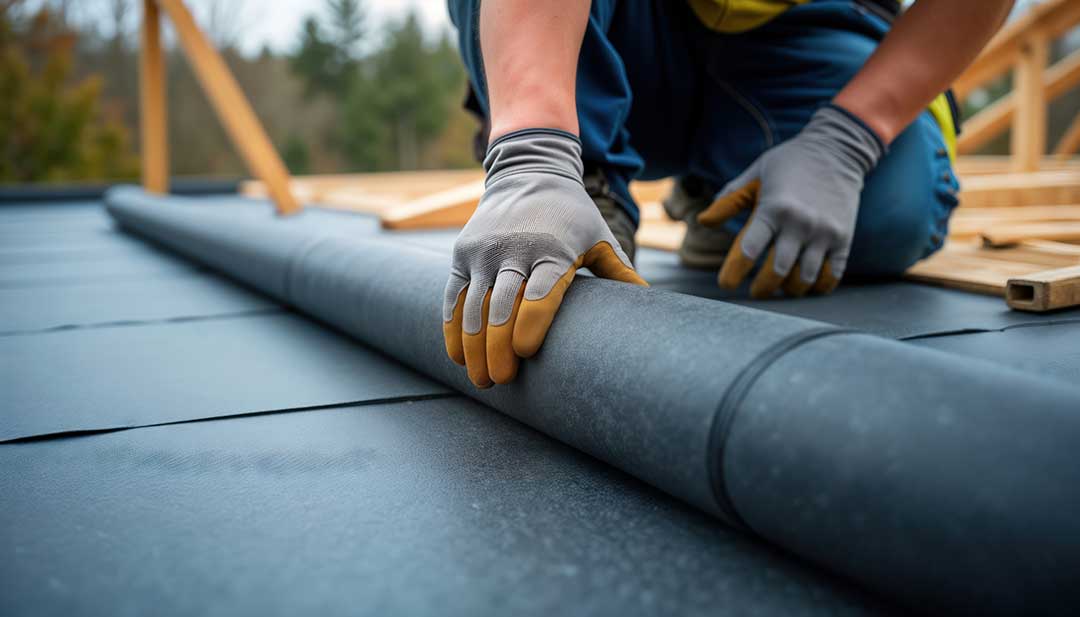
A low-slope roof may be easier to access, but it requires excellent drainage and durable waterproofing. Minor settlement, clogged drainage points, or poorly placed penetrations can become more significant problems when water does not leave the surface quickly.
The most effective roof is not necessarily the steepest one. Performance depends on whether the pitch, structure, materials, drainage, ventilation, and flashing all work together.
How does pitch affect attic space and ventilation?
Roof pitch directly affects the amount of space available below the roof. A steep roof may provide enough height for storage or a finished attic, while a low-pitch roof may leave only a shallow cavity.
The shape of the roof also matters. A simple gable roof may offer more continuous attic space than a roof with multiple hips, valleys, and dormers. However, complex roof shapes can create areas where insulation, air movement, and moisture control require more attention.
Proper ventilation is not determined by pitch alone. It depends on the balance between intake and exhaust openings, insulation placement, air sealing, and the design of the attic. Poor ventilation can contribute to excessive heat and moisture, which may affect roof sheathing, fasteners, insulation, and the underside of the roof covering.
Can roof pitch affect ice dams?
Yes, but pitch is only one factor. Ice dams form when melting snow refreezes near a colder roof edge, creating a ridge that can hold back later meltwater. That water may move beneath roofing materials or enter around vulnerable areas.
Ice dams are more likely when several conditions occur together:
- Heat escapes into the attic
- The roof surface has uneven temperatures
- Snow remains on the roof
- Eaves are colder than the upper roof
- Insulation and air sealing are incomplete
- Gutters or roof edges restrict drainage
A steep roof may reduce how long snow remains in place, but it does not eliminate ice-dam risk. Attic insulation, air sealing, ventilation, roof geometry, and winter weather patterns all matter.
What should homeowners look for on roofs with different pitches?
Residents can observe several warning signs from the ground without climbing onto the roof. Look for sagging roof lines, areas where snow remains unusually deep, water stains in upper ceilings, lifted or missing shingles, damaged flashing, and overflowing gutters during rain.
On low-slope roofs, standing water that remains after a reasonable period may indicate a drainage or surface-contour concern. On steep roofs, sliding snow, damaged eaves, and hard-to-reach valleys deserve attention.
A roof should not be walked on simply to check its pitch. Wet roofing, frost, moss, steep surfaces, and hidden damage can make a roof hazardous. Structural concerns, active leaks, major storm damage, or suspected snow overloading require an evaluation by a qualified building or roofing professional because those conditions involve safety and possible code considerations.
Does changing roof pitch require structural planning?
Yes. Changing pitch is not a cosmetic alteration. It can affect rafters or trusses, wall connections, exterior cladding, attic ventilation, insulation, roof drainage, gutters, and the way snow and wind loads are transferred through the building.
Adding a dormer, raising a roof, enclosing an attic, or changing a low-slope section may also affect permits and compliance with applicable New York construction requirements. The existing structure must be evaluated before framing changes are planned.
For most homeowners, the practical lesson is simple: roof pitch is a design measurement with structural and water-management consequences. Understanding it helps explain why two roofs with similar coverings can have very different maintenance needs, winter performance, and expected service life.
