
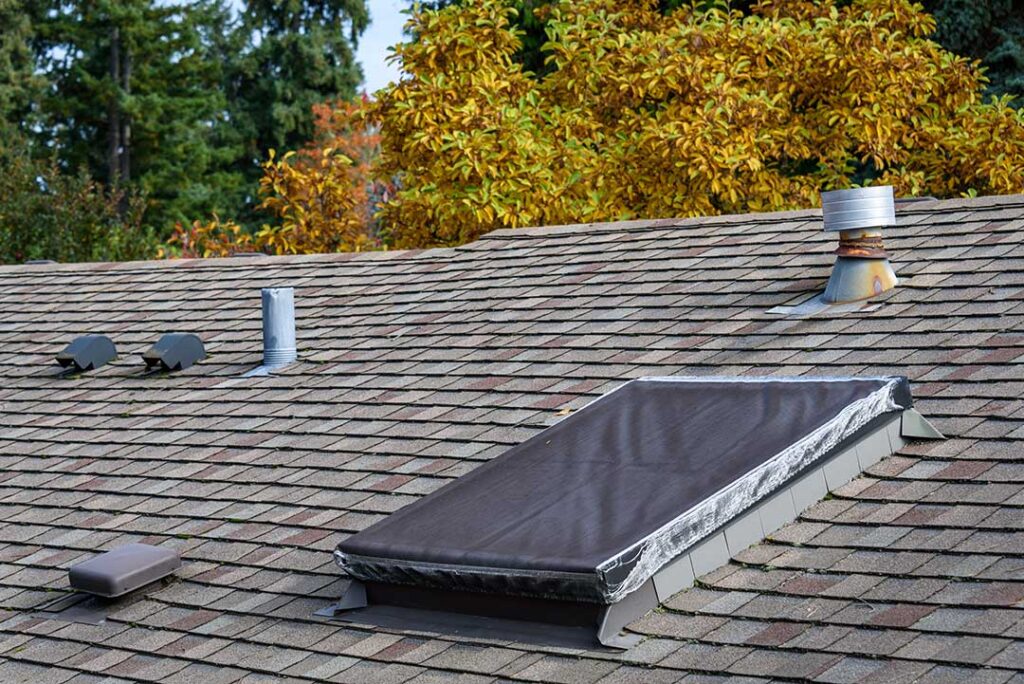
What does “roofing technology” mean for homeowners?
Roofing technology now includes more than the visible shingles, panels, or metal sheets. It also covers moisture barriers, insulation systems, ventilation methods, solar integration, monitoring tools, and installation techniques that help a roof perform under changing weather conditions.
For households in Greene, NY, useful innovation is usually practical rather than futuristic. The most valuable improvements are those that manage snow, ice, wind, heavy rain, summer heat, and repeated freeze-thaw cycles while fitting the structure and the surrounding neighborhood.
A newer product is not automatically a better choice. Roof pitch, attic design, tree cover, ventilation, structural capacity, and installation quality often matter as much as the material itself.
Which roofing materials are becoming more advanced?
Modern asphalt shingles are being engineered with improved wind resistance, algae resistance, impact performance, and solar reflectance. Some lighter-colored or specially designed shingles absorb less heat than traditional dark roofing. This can reduce summer heat entering the attic, although the energy benefit depends on insulation, ventilation, roof color, and household cooling needs.
Metal roofing has also evolved. Today’s metal systems may resemble shingles, slate, or standing-seam panels rather than the highly reflective sheets associated with older buildings. Properly installed metal can provide long service life and shed snow effectively, but snow guards may be needed above entrances, walkways, or lower roof sections.
Synthetic slate and composite roofing materials are another development. These products can imitate heavier traditional materials while reducing structural demands. Their suitability depends on fire performance, impact resistance, temperature changes, and how well the product is supported by tested installation instructions.
Solar roofing includes both conventional solar panels mounted above the roof and solar-integrated shingles or tiles. Solar shingles can create a more uniform appearance, but they are not appropriate for every roof. Shading, roof orientation, pitch, electrical design, replacement planning, and the age of the underlying roof all need to be considered.
How are roofing systems handling snow and ice better?
In a cold-weather community, the roof covering is only one part of the defense against winter moisture. Modern roof assemblies often combine several layers:
- A durable underlayment beneath the outer covering
- Self-adhering water-resistant membrane in vulnerable areas
- Carefully sealed valleys, penetrations, and roof edges
- Proper attic insulation to limit heat loss
- Adequate ventilation to reduce uneven roof temperatures
- Flashing designed to direct water away from walls and openings
Ice dams form when heat escapes into the attic and melts snow on warmer sections of the roof. The water can then refreeze near colder eaves. Improved insulation and air sealing can reduce the temperature differences that contribute to this cycle, while membranes and flashing help limit damage if water moves beneath the outer covering.
Ventilation is often misunderstood. More vents do not automatically solve a moisture problem. Intake and exhaust openings must work together, and the attic must be separated properly from the living space. Blocking soffit vents with insulation, storing items against ventilation paths, or adding an exhaust vent without adequate intake can make performance worse.
Can smart technology detect roof problems?
Roof monitoring systems are becoming more common, especially on larger or more complex buildings. Sensors may track moisture, temperature, humidity, snow weight, or movement in a roof assembly. Some systems can alert an owner before a small leak becomes widespread interior damage.
For a typical house, smart monitoring is most useful when the roof has difficult-to-access areas, valuable equipment below it, a low-slope section, or a history of leaks. A sensor cannot repair a failed flashing detail, and it should not replace visual inspections after major storms.
Remote inspection tools are also changing roof maintenance. Drones and high-resolution cameras can document areas that are difficult or unsafe to reach. Infrared equipment may help identify temperature differences associated with wet insulation or air leakage, but an unusual reading requires careful interpretation. Sunlight, shadows, roof color, and surface materials can all affect results.
Are green roofs practical in Greene, NY?
A green roof uses growing media and plants to absorb and slowly release some rainfall. It can reduce runoff, protect the waterproofing layer from ultraviolet exposure, and provide insulation benefits.
For most detached homes, a full green roof is not a simple replacement for shingles. Saturated growing media adds substantial weight, and the structure must be designed to carry that load. Drainage, root protection, plant selection, winter conditions, maintenance access, and waterproofing details are all essential.
A smaller planted roof section may be possible on a suitable low-slope addition, porch, garage, or accessory structure. Even then, the roof must be evaluated as a complete structural and drainage system rather than treated as a landscaping project.
More accessible stormwater improvements often involve well-maintained gutters, properly directed downspouts, rain gardens, or storage systems at ground level. These measures do not change the roof itself, but they improve how roof runoff is managed around the property.
What role do cool roofs and reflective materials play?
Cool roofing materials reflect more sunlight and release absorbed heat more efficiently than darker, less reflective surfaces. They can lower roof temperatures and reduce cooling demand during sunny weather.
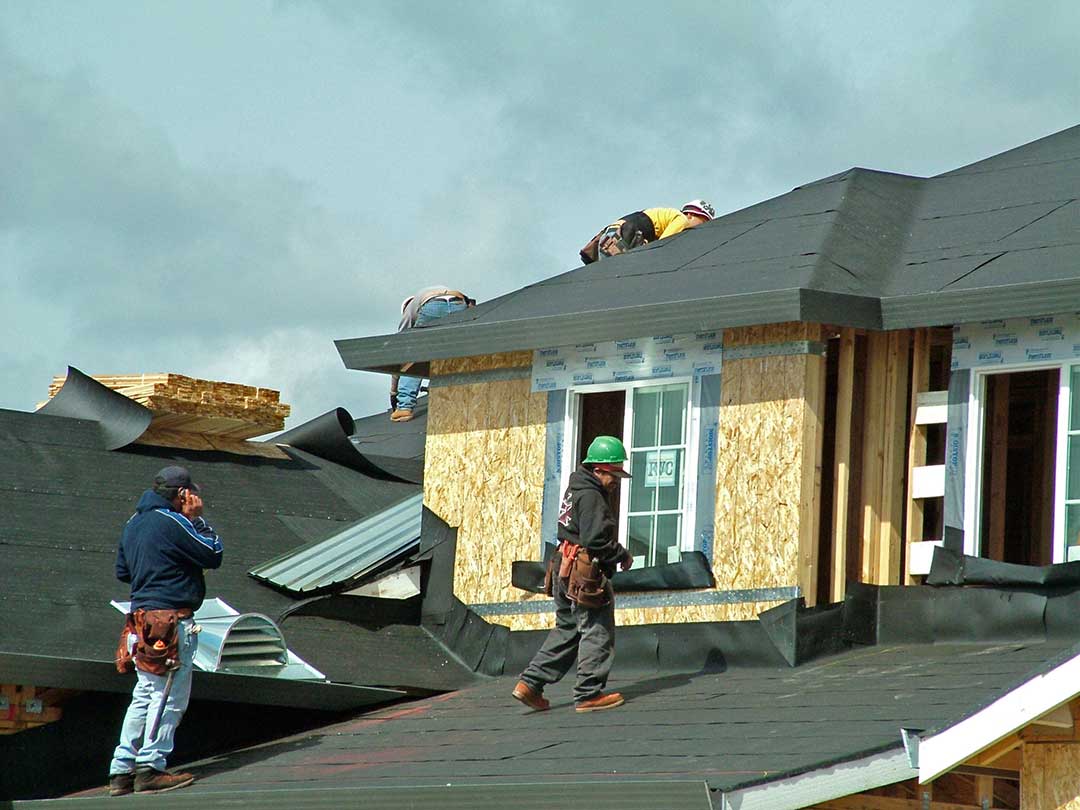
Their value in Greene, NY is more limited than in consistently hot climates because heating is a major part of the annual energy picture. A reflective roof may still improve summer comfort, particularly in an attic or upper floor, but it should not be evaluated by summer performance alone.
Insulation, air sealing, attic ventilation, and moisture control usually have a larger effect on year-round comfort. Reflective materials may be especially useful on low-slope roofs, additions, garages, and buildings with significant summer heat gain.
Are roofing materials becoming more sustainable?
Sustainability in roofing includes durability, repairability, energy performance, recycled content, and disposal. A roof that lasts longer may reduce the frequency of tear-offs and the amount of material sent to a landfill.
Some manufacturers now incorporate recycled materials into roofing products, while metal roofing can often be recycled at the end of its useful life. Recycling availability varies by material and location, so disposal plans should be confirmed before work begins.
Roof coatings can extend the service life of certain low-slope roofing systems, but coatings are not universal leak cures. The existing membrane must be compatible, sufficiently sound, and prepared correctly. Applying a coating over saturated insulation or unresolved leaks can hide the problem rather than solve it.
What should Greene, NY homeowners ask before choosing a new system?
The most useful questions concern the whole roof assembly, not just the advertised lifespan of the outer material:
- What snow, wind, and weather conditions was the system designed to handle?
- How will ice-prone edges, valleys, chimneys, skylights, and roof-to-wall joints be protected?
- Is the attic properly insulated, air sealed, and ventilated?
- Can the roof support solar equipment, a green roof, or added equipment?
- What maintenance will the system require?
- How will future repairs be made if a specialized component becomes unavailable?
- Are permits, inspections, and current New York State code requirements applicable?
- What happens to the existing roofing material after removal?
The 2025 New York State residential and energy codes are now the relevant code framework for applicable work, with full effectiveness beginning December 31, 2025. Requirements can vary by project, so structural changes, solar installations, major repairs, and reroofing should be evaluated against the rules in effect for the property and scope of work.
The central lesson is that roofing innovation works best as a coordinated system. A high-performing roof depends on compatible materials, sound drainage, adequate ventilation, careful detailing, and maintenance suited to the local weather—not simply on choosing the newest product.
