
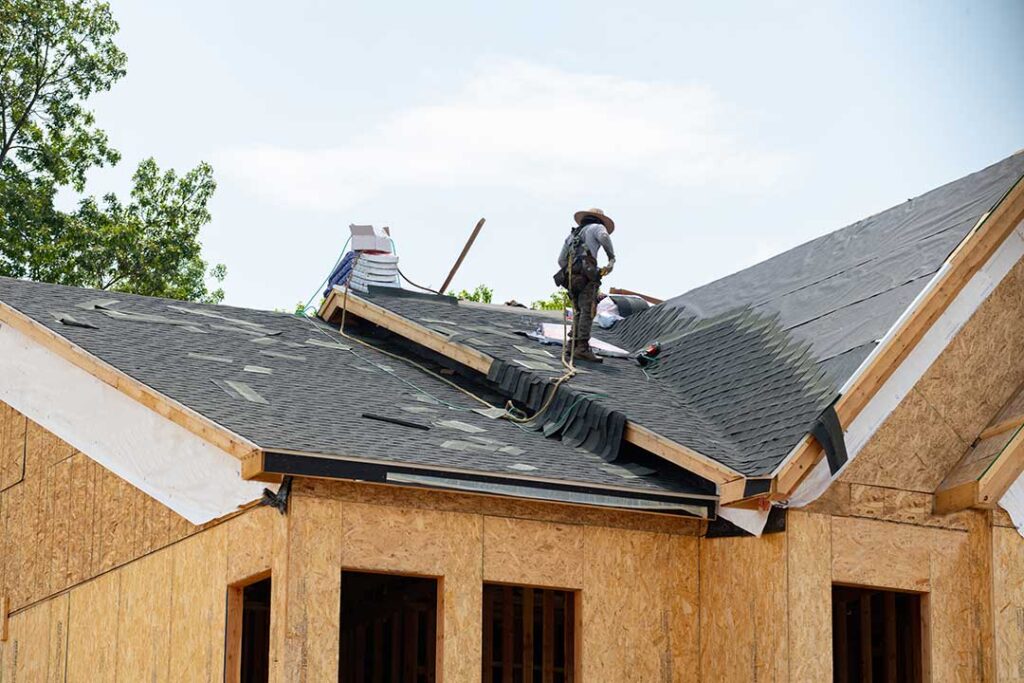
A professional roof inspection is a methodical review of the roof system, not simply a quick look at the shingles. In Greene, NY, an inspection may be useful after severe weather, before buying or selling a home, when a roof is aging, or whenever signs of moisture appear indoors.
The purpose is to identify current damage, conditions that may lead to future problems, and areas that require monitoring. A thorough inspection also helps distinguish between a roof repair issue and a problem involving flashing, ventilation, gutters, siding, or interior moisture.
What happens before the inspector examines the roof?
The inspection usually begins with questions about the roof’s history and any concerns noticed by the occupants. The inspector may ask about:
- The approximate age of the roof
- Previous repairs or storm damage
- Water stains, leaks, drafts, or unusual odors
- Ice buildup or snow-related concerns
- Changes in heating or cooling costs
- Any recent remodeling or exterior work
Photos, maintenance records, insurance documents, or previous inspection reports can help provide useful background. A roof inspection is more accurate when the inspector understands whether a problem is new, recurring, or connected to an earlier repair.
The inspector may also look at the surrounding property. Overhanging branches, moss, poor drainage, nearby construction, and patterns of snow or ice accumulation can affect roof performance.
Is a roof inspection performed from the ground or from the roof?
A complete inspection may include both ground-level and close-up examination. The method depends on roof pitch, surface condition, weather, access, and safety concerns.
From the ground, an inspector can often identify:
- Sagging roof lines
- Missing or visibly displaced shingles
- Uneven areas
- Damaged chimney caps or vents
- Gutter separation
- Exposed fascia or soffit
- Debris or excessive organic growth
If conditions are safe, the inspector may walk on portions of the roof or use a ladder for closer examination. Some roofs are too steep, brittle, wet, icy, or structurally questionable for foot traffic. In those cases, inspection may rely on ladders, binoculars, photographs, pole-mounted cameras, or other tools.
A roof inspection does not require walking across every square foot of the surface. Safety takes priority, and an experienced inspector should explain any areas that could not be physically accessed.
What parts of the roof are checked?
The visible roofing material is only one part of the system. The inspection generally includes shingles or other roof coverings, underlayment where visible, flashing, penetrations, drainage components, and the roof structure.
Shingles and surface materials
The inspector looks for curling, cracking, blistering, granule loss, exposed fasteners, lifted tabs, loose materials, and areas with unusual wear. Damage may be concentrated on slopes that receive stronger wind, collect snow, or receive more direct sunlight.
A few damaged shingles do not automatically mean the entire roof must be replaced. The age and condition of the surrounding materials matter because older shingles may be more difficult to repair without causing additional breakage.
Flashing and penetrations
Flashing directs water away from vulnerable transitions. It is commonly found around chimneys, vents, skylights, wall intersections, valleys, and roof edges.
These areas deserve close attention because leaks often begin where two surfaces meet. An apparently sound shingle field can still have water intrusion caused by deteriorated sealant, displaced flashing, open seams, or improper installation around a penetration.
Gutters, downspouts, and roof edges
The drainage system is reviewed for sagging, blockages, loose fasteners, separated joints, and signs that water is overflowing against the roof edge or walls. Downspouts should move water away from the foundation rather than releasing it directly beside the house.
Gutter problems can resemble roofing problems. Water stains near an exterior wall, basement moisture, or rotted trim may result from drainage issues rather than a failure in the central roof surface.
Attic and interior areas
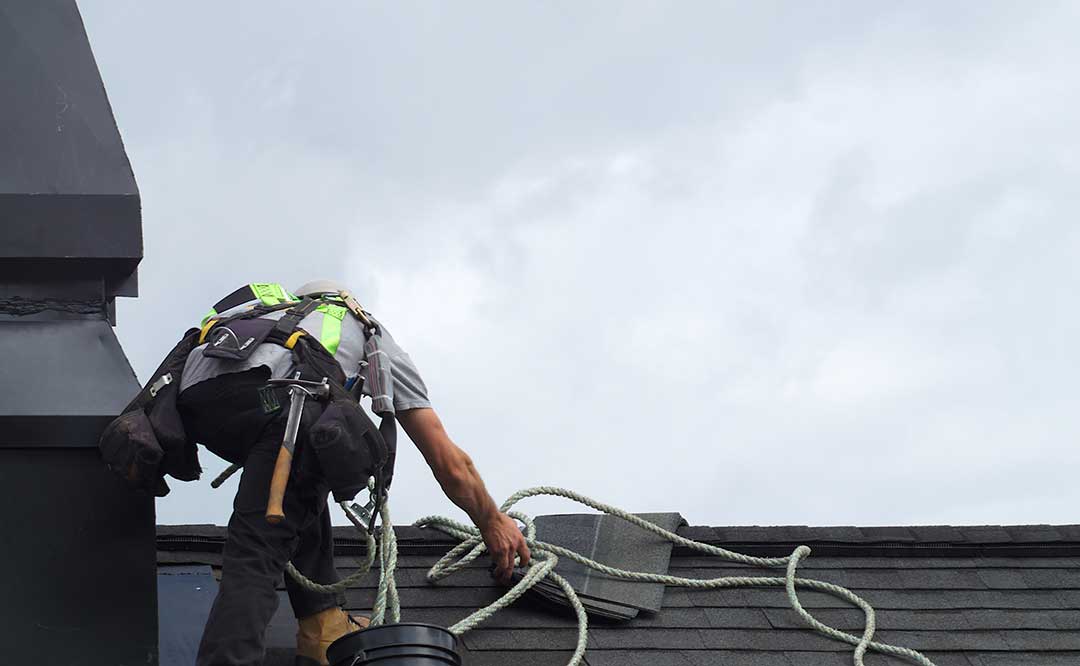
If access is available, the inspector may examine the attic for daylight through the roof deck, damp insulation, staining, mold-like growth, rusted fasteners, damaged wood, or inadequate airflow. The underside of the roof can reveal problems that are not visible from above.
Interior ceilings and upper walls may also be checked for discoloration, bubbling paint, peeling materials, or soft areas. A stain does not always indicate an active leak; it may reflect an older event, condensation, plumbing, or a leak that travels before becoming visible.
How does seasonal weather affect an inspection?
Four-season weather can place repeated stress on roofing materials. Snow, freeze-thaw cycles, wind, rain, and ice can expose weaknesses that are not obvious during mild conditions.
Freeze-thaw movement may enlarge small cracks or loosen flashing. Heavy snow can add temporary weight, especially where drifts form beside higher roof sections or around roof projections. Ice dams may develop when heat escapes into the attic and melts snow unevenly, allowing water to refreeze near the eaves.
A roof inspection may document evidence of these conditions, but it may not be possible to confirm every winter-related problem during warm or dry weather. Seasonal evidence, interior staining, attic conditions, and occupant observations can help complete the picture.
What does the inspector’s report usually include?
A useful report explains observed conditions in plain language and separates urgent concerns from routine maintenance. It may include photographs, locations of defects, approximate severity, and recommendations for further evaluation.
Common findings may be grouped into categories such as:
- Immediate safety or active water-entry concerns
- Repairs that should be addressed in the near term
- Maintenance items that can extend service life
- Conditions to monitor during future inspections
- Areas that could not be inspected because of limited access or unsafe conditions
The report should not treat every imperfection as an emergency. Minor granule loss, isolated aging, or cosmetic discoloration may have a different significance from exposed roof decking, active leakage, or structural sagging.
An inspection also cannot determine the exact remaining life of a roof with certainty. Roof life depends on material quality, installation, ventilation, weather exposure, maintenance, and the history of repairs.
What should residents do during the inspection?
Occupants can make the process more useful by identifying rooms with stains, describing when leaks occur, and pointing out areas where snow, ice, or wind have caused problems. It is helpful to clear access to an attic hatch, mechanical area, or interior space that may need to be examined.
For safety, residents should keep children and pets away from ladders and work areas. They should also avoid climbing onto the roof themselves, particularly when surfaces are wet, icy, steep, or covered with debris.
After the inspection, questions should focus on evidence: What was observed? Where is it located? Is water entering now? What could happen if the condition remains? Does the issue involve the roof covering, flashing, drainage, ventilation, or structure?
When is a roof inspection especially useful?
An inspection is particularly valuable after high winds, fallen branches, hail, or heavy snow; before purchasing a home; before listing a property; after a leak; or when a roof is approaching the later part of its expected service life.
It can also be useful when indoor symptoms are difficult to explain. Musty odors, recurring ceiling stains, peeling paint, damp attic insulation, and unexplained moisture may justify examining both the roof and the building’s ventilation or drainage conditions.
The most useful result is not simply a statement that the roof is “good” or “bad.” A detailed inspection provides a clearer record of present conditions, identifies safety concerns, and helps residents decide which issues require prompt attention and which can be monitored as part of normal home maintenance.
