
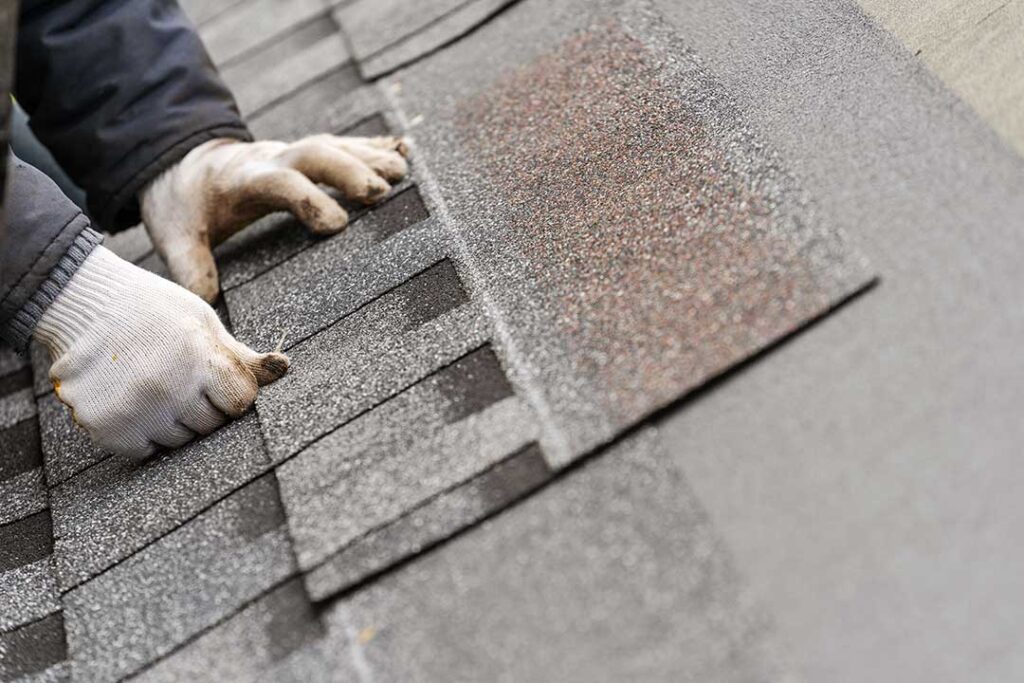
A roof affects more than protection from rain and snow. Its insulation, air sealing, ventilation, color, condition, and design all influence how much energy a home uses throughout the year.
For households in Greene, the largest energy concern is usually winter heat loss, although summer heat gain can also affect indoor comfort. A roof that is properly insulated and kept dry can help reduce heating demand, prevent uneven temperatures, and protect the building from moisture-related damage.
How does a roof affect home energy use?
A roof influences energy efficiency mainly through the attic and roof assembly. Heat naturally moves from warmer areas toward colder ones. During winter, heated indoor air can escape through gaps around attic hatches, light fixtures, plumbing penetrations, and ductwork. During summer, sunlight can heat the roof surface and attic, increasing the temperature of rooms below.
The most important energy-related parts of a roof system are:
- Attic-floor or roof-deck insulation
- Air sealing at openings and penetrations
- Ventilation that manages heat and moisture
- Roof color and surface temperature
- The condition of shingles, flashing, and underlayment
- The location of heating and cooling equipment or ductwork
A new roof covering alone may improve durability, but it does not automatically make a home more energy efficient. In many homes, the greatest energy gains come from correcting air leaks and improving insulation before or during reroofing work.
Is attic insulation more important than roof color?
For Greene homes, attic insulation generally has a greater effect on annual energy use than choosing a highly reflective roof surface. This is because the local heating season is long enough that reducing heat loss is usually more valuable than reducing summer heat gain.
If the attic floor has thin, compressed, wet, or uneven insulation, heat can move through the ceiling more easily. Adding insulation can help keep heated air inside living spaces and may also reduce cold floors, drafts, and rooms that are difficult to heat.
Insulation should not simply cover unresolved moisture or air-leak problems. Before adding more material, it is useful to check for:
- Water stains or damp insulation
- Mold-like odors or visible growth
- Unsealed openings around wiring and pipes
- Gaps around the attic access panel
- Exhaust fans that discharge into the attic
- Recessed lighting or equipment that requires special clearance
Insulation performs best when it remains dry and when air movement through the ceiling plane is controlled.
What is the difference between air sealing and ventilation?
Air sealing limits unwanted air movement between the house and attic. Ventilation manages air movement within the roof or attic space. They serve different purposes and should not be treated as substitutes.
Air sealing often focuses on the attic floor. Common leakage points include the attic hatch, top plates, plumbing stacks, electrical penetrations, chimneys, and openings around ductwork. Sealing these areas can reduce the amount of heated indoor air entering the attic.
Ventilation helps remove excess heat and moisture from the attic. A balanced arrangement typically allows air to enter near the eaves and exit near the roof ridge or another high point. The exact design depends on the roof shape, insulation location, and existing construction.
Adding a powered attic fan is not automatically an energy improvement. If the attic ceiling is leaky, a fan can pull conditioned air from the home into the attic. It can also create pressure problems or draw air from combustion appliances in some buildings. Ventilation should be designed as part of the whole roof and attic system.
Why does moisture matter for energy efficiency?
A damp roof or attic is less efficient and more vulnerable to damage. Wet insulation loses performance, wood components may decay, and repeated winter condensation can contribute to staining, frost, or deterioration.
In cold weather, warm indoor air can reach cold roof surfaces if the ceiling plane is not adequately sealed. Moisture may then condense on the underside of the roof deck. Bathroom and kitchen exhaust should discharge outdoors through properly installed ducts rather than into the attic.
Snow and ice can also expose weaknesses in the roof system. Ice buildup along eaves may occur when heat escapes into the attic, warms the underside of the roof, and causes snow to melt and refreeze near colder roof edges. Insulation and air sealing can reduce this heat transfer, although roof slope, weather conditions, gutters, and drainage also play roles.
Are dark roofs less energy efficient?
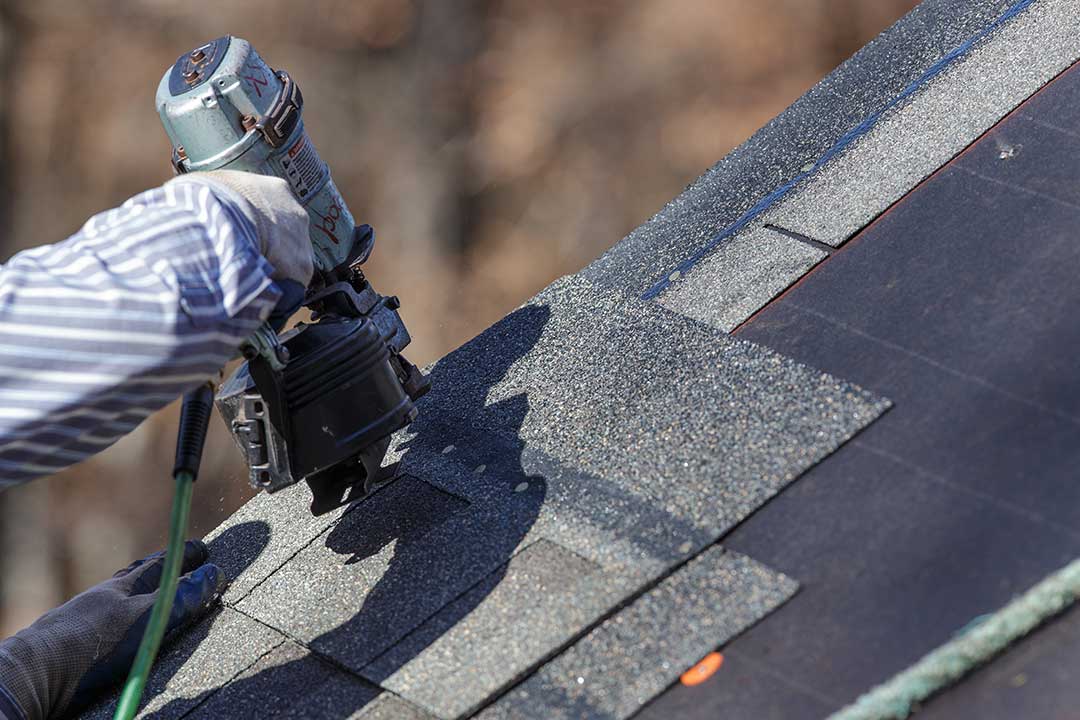
Roof color can affect summer heat absorption, but its importance depends on insulation levels, attic design, roof orientation, and the amount of air conditioning used.
Dark roof surfaces generally become hotter in direct sunlight than lighter or more reflective surfaces. In a poorly insulated attic, that heat can contribute to higher attic temperatures and warmer upper rooms. In a well-insulated home, the effect on indoor temperatures may be smaller.
Highly reflective “cool roof” materials are typically most beneficial in hot, sunny climates with substantial cooling demand. In Greene, winter heat loss is often the more significant concern. Roof color should therefore be considered alongside insulation, ventilation, durability, snow performance, and the home’s overall energy design rather than treated as the primary efficiency decision.
Can solar panels improve roof energy performance?
Solar panels generate electricity, but they do not replace insulation or correct roof problems. A roof should be evaluated for remaining service life, structural condition, flashing, and moisture issues before panels are installed.
Panel placement can also affect future roof maintenance. If a roof needs replacement soon, installing panels beforehand may create additional work and expense. Roof penetrations must be properly detailed to prevent leaks, and snow, shading, roof orientation, and structural capacity all influence the usefulness of a solar array.
Energy production and roof efficiency are related but separate questions: insulation reduces heating and cooling demand, while solar panels generate electricity.
What should homeowners check before replacing a roof?
A roof replacement is an opportunity to inspect the entire roof assembly, not just the exposed shingles. Useful questions include:
- Is the attic insulation deep, dry, and evenly distributed?
- Are there visible air leaks at the attic floor?
- Does the roof have a balanced intake and exhaust ventilation system?
- Are bathroom and kitchen exhaust ducts vented outdoors?
- Is the roof deck sound, or are there soft, stained, or deteriorated areas?
- Are flashing and penetrations properly integrated?
- Will proposed work meet the current New York State building and energy requirements?
- Are roof-mounted mechanical equipment or solar panels affecting the design?
The applicable code requirements can depend on the type of work, the building, and whether the project involves structural changes or a major renovation. Permit and inspection requirements should be confirmed before work begins.
Which roof improvements usually provide the greatest value?
For many older homes, the most useful sequence is to address moisture problems first, seal major air leaks, improve insulation, and then evaluate ventilation and roof-surface choices. Replacing damaged materials is essential because leaks can undermine both energy performance and structural safety.
A practical assessment should consider the entire enclosure rather than focusing on one product or feature. A roof that is durable, dry, well insulated, properly air sealed, and correctly ventilated will usually provide more dependable energy benefits than a roof selected only for its color or surface rating.
In Greene, seasonal changes make this whole-system approach especially useful. Winter cold, wind-driven rain, snow, summer humidity, and occasional rapid temperature swings can all affect how a roof performs over time.
