
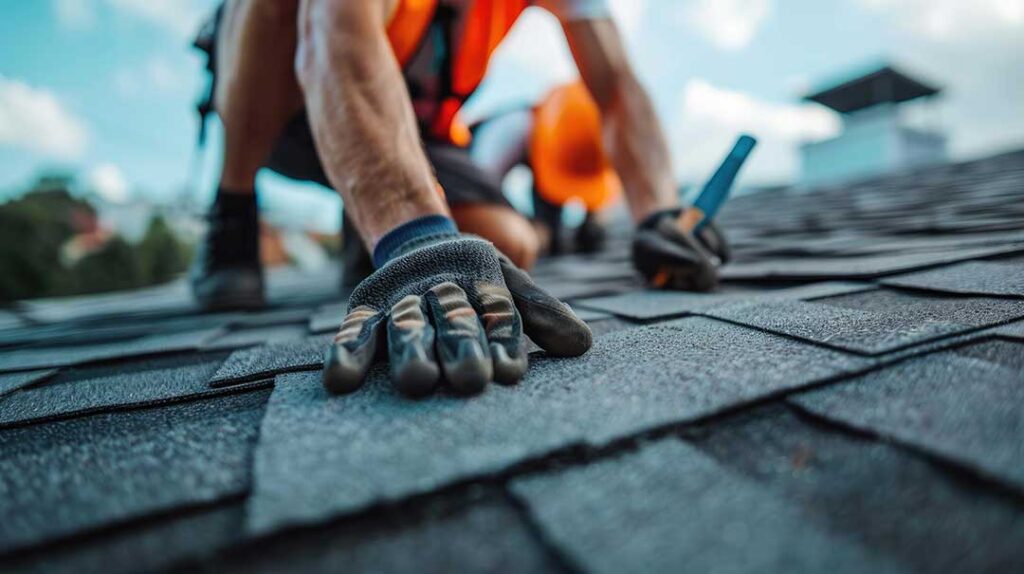
Old roofing materials should be separated by type, kept dry when possible, and taken only to a facility that accepts the specific material. Asphalt shingles may qualify for construction and demolition recycling, while asbestos-containing roofing, treated wood, insulation, and mixed debris require different handling.
What roofing materials can usually be recycled?
The most commonly recyclable roofing material is clean, asphalt-based shingle waste. Recovered shingles can sometimes be processed for use in asphalt pavement and other construction products. Recycling is more likely when the load contains mostly shingles rather than a mixture of household trash, soil, insulation, plastic, and wood.
Other roofing materials may also be recoverable:
- Clean metal panels, flashing, gutters, and drip edge can generally be separated as scrap metal.
- Untreated wood shakes or shingles may be accepted as a wood-based construction material, depending on the facility.
- Clean slate, clay tile, and concrete tile may be reusable or recyclable as masonry-like material.
- Cardboard packaging should be kept separate from roofing debris and placed with ordinary recyclable paper and cardboard if clean.
- Roofing paper, underlayment, plastic wrapping, and synthetic membranes are often more difficult to recycle and may need to go with construction and demolition debris.
Recycling rules differ by facility. A material being technically recyclable does not mean every transfer station or recycling center has the equipment or market to accept it.
How should old shingles be prepared?
Preparation affects both safety and whether a facility can process the load. Keep shingles as clean and separated as practical before transporting them.
Remove or separate obvious non-shingle materials such as:
- Large pieces of wood
- Metal flashing and gutters
- Plastic tarps and shrink wrap
- Insulation
- Electrical items
- Household garbage
- Soil, rocks, and concrete
- Paint cans, sealants, and chemical containers
Small amounts of roofing nails are commonly associated with shingle waste, but loose metal should still be separated when practical. Nails can puncture tires, bags, and workers’ gloves, so use sturdy containers or a covered trailer rather than thin household trash bags.
Avoid washing roofing materials. Water can spread dirt, asphalt residue, and other contaminants. If shingles are wet from rain, allow them to drain safely before loading, but do not delay handling if the material may contain hazardous substances.
During spring and fall roof work, wind can scatter lightweight underlayment and plastic. A covered load helps prevent roadside litter and keeps debris from entering drainage systems.
Where can residents take roofing debris in Greene?
Greene County transfer stations accept construction and demolition debris, including many types of roofing waste. Roofing materials are generally handled as a loose construction and demolition load rather than as ordinary bagged household trash.
The county operates transfer stations with locations and operating schedules that vary by day. Rules, fees, holiday closures, and acceptance conditions can change, so residents should verify the current requirements before hauling a large load. Loads that are mixed, unusually large, contaminated, or difficult to identify may be directed to a different disposal method.
A practical approach is to sort the material into separate groups before leaving the property:
1. Asphalt shingles and roofing paper
2. Scrap metal
3. Reusable tile or slate
4. Wood roofing materials
5. Mixed or contaminated debris
6. Suspected asbestos-containing materials
Residents should not assume that a location accepting construction debris is also a dedicated shingle-recycling facility. Some loads may be transferred for disposal rather than processed into a new product.
Can old roofing materials be reused?
Reuse is possible when materials are intact, clean, and suitable for another purpose. Salvaged slate, clay tile, metal panels, and some wood roofing products may have value for repairs, garden structures, sheds, decorative work, or small maintenance projects.
Asphalt shingles are less commonly reused after removal because they may be curled, brittle, nailed, weathered, or contaminated with roofing cement. Reusing damaged shingles can create leaks or leave loose pieces that become airborne during heavy wind.
Before setting materials aside for reuse, inspect them for:
- Cracks, splitting, severe curling, or missing granules
- Rot, insect damage, or mold
- Embedded nails or sharp edges
- Oil, chemical, or biological contamination
- Signs of asbestos-containing products
A material that has been exposed to years of moisture or freezing and thawing may look usable but fail quickly. Reuse should not create a safety hazard or transfer contaminated material to another property.
What should be done with metal roofing and gutters?
Metal roofing, flashing, valleys, drip edge, and gutters should be separated from shingles whenever possible. Clean metal is usually easier to recover than mixed roofing waste and may be accepted through a scrap-metal or construction-debris channel.
Before transport, remove attached wood, insulation, excessive roofing cement, and large amounts of roofing felt. Keep sharp edges contained. Bundling long panels can make loading safer, but bundles should remain manageable enough to unload without dropping or sliding.
Aluminum and galvanized steel may be handled differently from other metals. Sorting is not always required for acceptance, but separating clean metal from general debris can improve recovery and reduce disposal costs.
How should asbestos-containing roofing be handled?
Suspected asbestos-containing roofing should not be placed in ordinary trash or mixed with recyclable shingles. Older roofing products, cement roofing sheets, roofing felt, asphalt products, and certain coatings may contain asbestos, especially in buildings with older construction materials.
Do not break, grind, cut, drill, sweep, or pressure-wash material that may contain asbestos. Disturbing it can release hazardous fibers. The absence of a label does not prove that an old roofing product is asbestos-free.
New York waste rules distinguish asbestos-containing material from ordinary construction and demolition debris. Facilities that accept uncontaminated asphalt shingles generally require that the material contain no friable asbestos. Suspect material may require evaluation, specialized removal, packaging, transport, and disposal under applicable state requirements.
This is one situation where a qualified asbestos professional may be necessary for safety and legal compliance. Roof age alone cannot confirm asbestos content, and visual inspection is not a reliable substitute for proper testing.
What happens to roofing materials that are not recycled?
Roofing debris that cannot be recycled may be sent to a permitted construction and demolition disposal facility. This can include heavily mixed loads, wet or contaminated materials, non-recyclable membranes, insulation, damaged wood, and debris that cannot be economically separated.
Illegal dumping, burning shingles, or placing construction debris in roadside collection areas is unsafe and may violate local or state rules. Burning asphalt products can release harmful smoke, and buried or dumped debris can create long-term problems with soil, drainage, and property maintenance.
For households in Greene, sorting roofing waste before transport is usually the most useful step. It makes hazardous materials easier to identify, keeps recoverable metal and shingles from being buried unnecessarily, and reduces the chance that a load will be rejected because it contains prohibited items.
A simple checklist before transporting roofing waste
- Identify the roofing material and its approximate age.
- Separate metal, wood, tile, shingles, packaging, and mixed debris.
- Keep suspected asbestos-containing material isolated.
- Remove household garbage, liquids, chemicals, and electrical items.
- Use a covered, stable vehicle or trailer.
- Secure loose materials against wind.
- Confirm the receiving facility’s current rules, hours, fees, and load requirements.
- Keep children and pets away from piles containing exposed nails or sharp fragments.
The safest disposal method depends less on the amount of roofing waste than on what the waste contains. Clean, separated materials have the greatest chance of reuse or recycling; hazardous or uncertain materials require identification before they are moved or discarded.
