
How long does a roof usually last?
A roof’s service life depends on its material, installation quality, ventilation, weather exposure, and maintenance. Asphalt shingle roofs commonly last about 15 to 30 years, while metal, slate, tile, and other systems may last longer when properly installed and maintained.
Age alone does not determine whether replacement is necessary. A well-maintained roof may continue performing beyond its expected range, while a roof exposed to repeated wind, ice, poor attic ventilation, or installation problems may fail earlier.
For a home in Greene, NY, seasonal temperature changes, snow, ice, wind, rain, and freeze-thaw cycles can gradually weaken roofing materials. A roof that is approaching the end of its expected life deserves closer attention, even if it has not yet developed an obvious leak.
What are the clearest signs that a roof needs replacement?
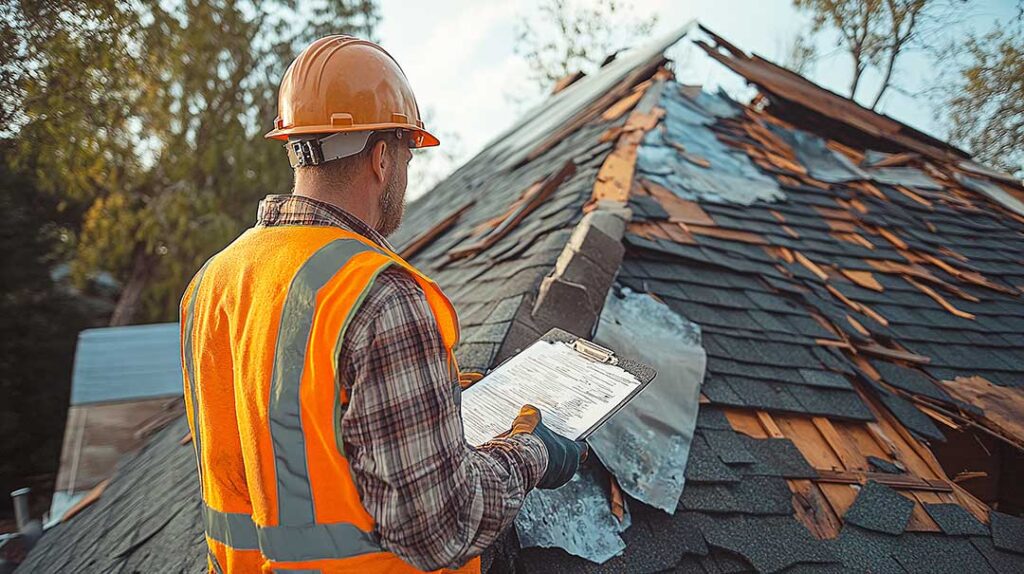
The most reliable signs are widespread deterioration, repeated leaks, or damage affecting the roof’s underlying structure. A few isolated defects may be repairable, but problems across several roof areas often indicate that replacement is becoming more practical.
Look for:
- Shingles that are cracked, curled, blistered, loose, or missing
- Bald areas where shingle granules have worn away
- Shingles that appear unusually thin, brittle, or uneven
- Sagging along the roofline or between rafters
- Dark streaks, moss, or algae combined with moisture damage
- Exposed underlayment, fasteners, or roof decking
- Water stains on ceilings, walls, or attic framing
- Daylight visible through the roof deck
- Flashing that is loose, corroded, or separating around chimneys, vents, and roof edges
A small amount of granule loss from newer shingles can be normal, particularly after installation. Extensive granules collecting in gutters or bare patches across many shingles are more serious signs of aging.
Does a roof need to be replaced if it leaks?
Not always. A single leak caused by damaged flashing, a puncture, or a small section of missing shingles may be repairable. The key question is whether the leak is isolated or part of a larger pattern.
Replacement becomes more likely when:
- Leaks occur in multiple locations
- The same area has been repaired repeatedly
- Water has damaged the roof deck, insulation, or framing
- Shingles are deteriorating across most of the roof
- The leak source cannot be reliably isolated
- The roof is already near the end of its expected service life
A ceiling stain does not always appear directly below the entry point. Water can travel along rafters, decking, insulation, or wall cavities before becoming visible indoors. For that reason, painting over a stain without finding the source does not solve the underlying problem.
How can homeowners tell the difference between repair and replacement?
Repair is generally more reasonable when the roof is relatively young, most materials remain in good condition, and the damage is limited to a clearly defined area.
Replacement deserves consideration when the roof has several types of deterioration at once. For example, an older roof with curling shingles, deteriorated flashing, repeated leaks, and soft decking may require more work than a small repair can address effectively.
The condition of the roof deck matters as much as the visible covering. If the wood beneath the shingles has become weakened by long-term moisture, installing new shingles over it may not provide a dependable result. A proper evaluation should consider the covering, flashing, drainage, ventilation, and structural condition together.
What damage can winter cause in Greene, NY?
Winter weather can expose weaknesses that are less noticeable during warmer months. Snow and ice add weight, while repeated freezing and thawing can enlarge small cracks and openings.
Ice dams may form when heat escapes into a poorly insulated or inadequately ventilated attic. Meltwater can refreeze near the roof edge and back up beneath shingles. This does not mean every ice dam requires a new roof, but recurring ice dams may point to problems involving insulation, air sealing, ventilation, roof geometry, or drainage.
Wind can also lift or loosen shingles, especially along edges, ridges, and roof transitions. After a severe storm, visible damage may be limited to a few shingles even though fasteners or flashing have also been affected.
Are roof stains, moss, and algae signs of failure?
They can be warning signs, but they do not automatically mean replacement is required.
Moss can hold moisture against roofing materials and may lift or displace shingles as it grows. Algae and dark streaking may be mostly cosmetic, particularly when the roof remains watertight. However, staining combined with soft shingles, rot, leaks, or persistent dampness deserves closer examination.
Roof surfaces should not be scraped, pressure-washed, or walked on casually. These actions can remove protective granules or cause hidden damage. Inspection from the ground, attic, or a safe access point is less likely to create additional problems.
Should a roof be replaced before selling a home?
That depends on the roof’s condition, age, and the likely concerns of buyers or inspectors. A roof that is visibly near failure can affect negotiations and may create problems during a property inspection. A newer roof is not always necessary before selling, especially if the existing system has useful service life remaining and its condition is documented honestly.
If replacement is being considered for this reason, evaluate the entire roof rather than focusing only on appearance. Buyers are generally more concerned with watertight performance, structural condition, remaining life, and evidence of deferred maintenance than with minor cosmetic imperfections.
What should be checked before replacing a roof?
Before making a replacement decision, gather basic information about the existing system:
- Approximate installation date
- Roofing material and number of existing layers
- History of leaks or repairs
- Condition of attic insulation and ventilation
- Evidence of rot or moisture in the roof deck
- Areas with recurring ice buildup
- Condition of flashing, valleys, eaves, and roof penetrations
- Whether gutters and drainage routes are working properly
Roof replacement work in New York must comply with applicable state and local building requirements. Permit rules, inspection requirements, disposal rules, and requirements for roof coverings can vary by project and jurisdiction. These details are especially relevant when replacing multiple layers, repairing structural components, or altering ventilation.
Older homes may also contain materials that require special handling. Roofing work involving suspected hazardous materials should not be approached as ordinary do-it-yourself maintenance.
Is it safe to wait?
Waiting may be reasonable when the roof is stable, the damage is minor, and temporary protection is preventing water entry. Waiting is risky when there is active leaking, sagging, exposed decking, widespread shingle failure, or wet insulation and framing.
Water damage often spreads beyond the original leak. Damp wood can decay, insulation can lose effectiveness, and concealed moisture can contribute to unhealthy indoor conditions. A roof does not have to look dramatically damaged from the ground for replacement planning to be justified.
For many households, the most practical approach is to plan before failure occurs. A roof that is aging but still watertight allows more time to compare repair and replacement options, address attic ventilation or drainage problems, and avoid making decisions during an emergency leak.
