

A roof does more than keep rain and snow out. Its insulation, air sealing, ventilation, surface color, and condition all influence how much energy a home uses throughout the year. For households in Greene, NY, roof-related energy performance matters especially because buildings must manage cold winters, snow, wind, spring moisture, and increasingly hot summer days.
How does a roof affect household energy use?
A roof affects energy efficiency mainly by controlling heat flow and air movement. In winter, heat naturally moves from the heated interior toward colder spaces outside. In summer, sunlight can heat the roof and attic, increasing indoor temperatures.
The most influential parts of the roof assembly are:
- Insulation, which slows heat transfer
- Air sealing, which limits warm or conditioned air escaping through gaps
- Ventilation, which helps manage moisture and attic temperatures
- Roofing materials, which affect solar heat gain and durability
- Roof condition, since leaks and damp materials reduce performance
A roof with excellent shingles but inadequate attic insulation may still allow substantial heat loss. Similarly, adding insulation without addressing air leakage can leave cold drafts, moisture problems, and uneven temperatures.
Is attic insulation more important than roofing material?
For many homes in a cold-weather climate, attic insulation and air sealing usually have a greater effect on heating efficiency than the color or type of the outer roofing material. A roof covering protects the structure, but the insulation layer is what helps separate indoor temperatures from outdoor conditions.
In an unfinished attic, insulation is commonly placed at the attic floor, between or above the ceiling below. In a finished attic, insulation may instead be installed along the sloped roof assembly. The correct location depends on how the space is used and how the roof is designed.
Signs that an attic may need attention include:
- Rooms directly below the roof are unusually hot in summer or cold in winter
- Snow melts unevenly across the roof during cold weather
- Ice forms along the lower roof edge
- Heating or cooling costs seem high compared with the home’s size
- Attic insulation appears thin, compressed, wet, or disturbed
- Light is visible around attic penetrations, ducts, wiring, or plumbing
Insulation should not block required airflow at soffit vents. Blocking those channels can trap moisture and interfere with the roof’s ability to dry.
Why are air sealing and ventilation both necessary?
Air sealing and ventilation serve different purposes. Air sealing keeps household air from escaping into the attic, while ventilation allows the attic itself to exchange air with the outdoors.
Common air-leakage locations include:
- Attic hatches
- Recessed lights not rated for insulated ceilings
- Plumbing and electrical penetrations
- Chimney and flue openings
- Gaps around ductwork
- Open wall cavities
- Bathroom fans that discharge into the attic instead of outdoors
Warm indoor air entering a cold attic can carry moisture. That moisture may condense on roof sheathing, insulation, nails, or framing. Over time, this can contribute to staining, mold growth, wood deterioration, and reduced insulation performance.
A properly designed venting system often uses low intake vents near the eaves and high exhaust vents near the ridge or upper roof area. The goal is steady airflow through the attic, not simply installing the largest possible number of vents. Intake and exhaust openings need to work together, and vents should not be covered by insulation or blocked by stored items.
Can a roof prevent ice dams?
A roof cannot guarantee that ice dams will never form, but a well-insulated, air-sealed, and ventilated attic can reduce the conditions that cause them.
Ice dams form when heat escaping from the living space warms portions of the roof. Snow melts on the warmer upper roof, then refreezes near colder eaves. As ice builds up, water may collect behind it and move under roofing materials.
The most effective long-term approach is to reduce uneven roof temperatures by improving the building envelope. That may involve correcting air leaks, improving insulation, maintaining clear soffit airflow, and addressing areas where heat concentrates.
Snow removal can sometimes reduce immediate weight or drainage concerns, but walking on a roof or using sharp tools can damage roofing materials and create fall hazards. Roof work during icy conditions should be treated as hazardous.
Are dark roofs less energy efficient?
Not necessarily. Roof color influences solar heat gain, but it is only one part of overall performance. A light-colored or specially reflective roof can stay cooler in direct sunlight, which may reduce summer heat entering the building. However, reflective roofing generally provides greater annual benefit in hot, cooling-dominated climates than in colder regions.
For homes in Greene, NY, winter heating demand is usually a major consideration. A highly reflective roof may reduce some summer heat gain, but it does not replace adequate insulation or air sealing. The best choice depends on roof slope, attic design, existing insulation, amount of air conditioning, tree shade, and the condition of the current roof.
A roof should not be selected based on color alone. The full assembly matters more than appearance.
Does roof ventilation make a house colder in winter?
Proper attic ventilation should not make the living space noticeably colder if the ceiling plane is well insulated and air-sealed. Ventilation is intended for the attic, not the occupied rooms below.
Problems can occur when ventilation is used as a substitute for insulation or when insulation is installed poorly. For example, large gaps in the ceiling may allow heated indoor air to enter the attic, where ventilation then carries away some of that heat. The underlying problem is the air leakage, not the existence of properly designed vents.
Ventilation also helps reduce moisture and temperature extremes that can shorten the life of roof sheathing, insulation, and roofing materials.
What should homeowners check before replacing a roof?
A roof replacement is an opportunity to examine energy performance, but replacing the outer covering alone may not solve comfort or heating problems. Before work begins, it is useful to understand:
- Whether the attic has continuous insulation
- Whether insulation is wet, compressed, or uneven
- Where air leaks occur at the ceiling plane
- Whether soffit and upper-roof ventilation paths are clear
- Whether bathroom and kitchen exhaust fans discharge outdoors
- Whether roof sheathing shows moisture damage
- Whether the roof has areas of persistent snow melt or ice buildup
- Whether the home has adequate ventilation if the attic is converted into conditioned space
New York’s residential construction and energy requirements address roof-ceiling insulation, ventilation, and related building-envelope details. Requirements can vary depending on the project, the age of the structure, and whether the work is a repair, reroofing project, alteration, or new construction. Work involving structural changes, electrical systems, combustion equipment, or difficult roof access may require code review and qualified assistance.
What are practical roof energy improvements?
The most useful improvement is usually the one that addresses the actual source of energy loss. Depending on the home, that may include:
- Sealing attic-floor penetrations before adding insulation
- Restoring clear airflow at soffit vents
- Replacing wet or badly compressed insulation
- Improving the fit and insulation of the attic hatch
- Repairing roof leaks promptly
- Ensuring exhaust fans terminate outdoors
- Adding insulation during an attic renovation
- Using roofing materials appropriate for the roof slope and regional conditions
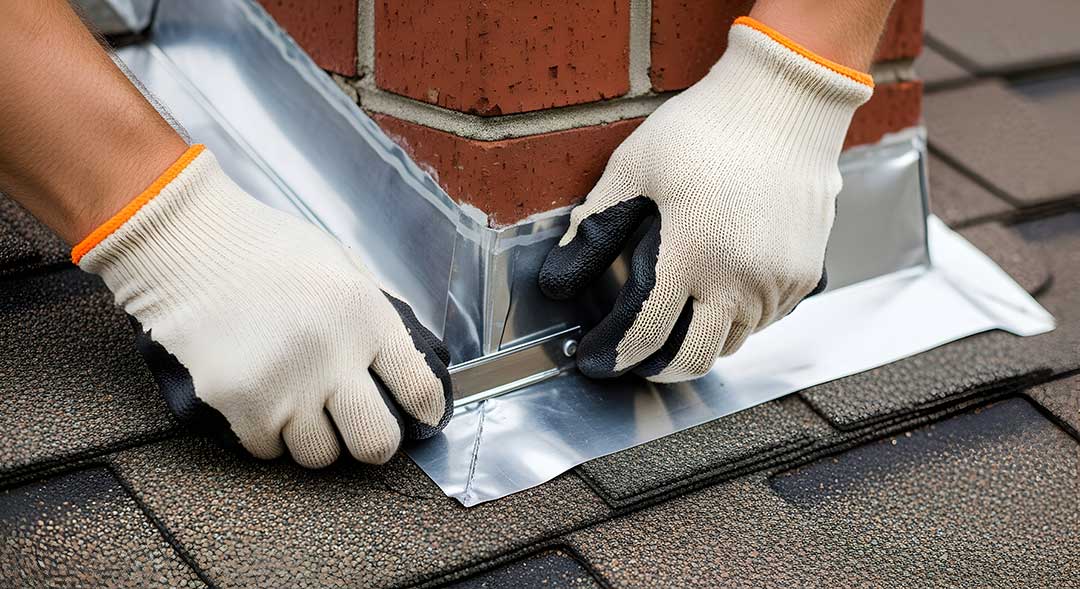
- Inspecting areas around chimneys, valleys, skylights, and roof-to-wall transitions
Energy efficiency should be considered together with moisture control and roof durability. An improvement that saves heat but traps water vapor can create a more serious building problem later.
For local households, the most balanced roof strategy is usually straightforward: keep the roof watertight, maintain a continuous insulation layer, limit air leakage, preserve proper attic airflow, and choose roofing materials based on the home’s full-year conditions rather than summer appearance alone.
