

What is roof flashing?
Roof flashing is thin, water-resistant material installed around roof joints, edges, and penetrations where water could otherwise enter. It directs rain and melting snow away from vulnerable areas and into drainage paths such as gutters or downspouts.
On homes in Greene, NY, flashing commonly appears around:
- Chimneys
- Plumbing vent pipes
- Skylights
- Roof-to-wall intersections
- Valleys where two roof sections meet
- Dormers
- Roof edges and transitions
- Sidewalls and end walls
- Areas where additions connect to the main structure
Flashing may be made from aluminum, galvanized steel, copper, stainless steel, or flexible membrane materials. The correct material and installation method depend on the roof design, surrounding materials, expected movement, and exposure to weather.
Flashing is not usually the most visible part of a roof, but it performs one of the most important water-management functions.
Why does roof flashing matter?
Flashing matters because most roof leaks begin at details rather than in the middle of an intact field of shingles. Roof surfaces shed water effectively, but joints and interruptions create places where water can collect, run sideways, or work beneath roofing materials.
Properly installed flashing helps:
- Keep water out of wall cavities and attic spaces
- Protect roof decking from rot
- Reduce the chance of insulation becoming wet
- Prevent staining on ceilings and interior walls
- Protect framing around chimneys, windows, and roof intersections
- Limit damage from freeze-thaw cycles
- Guide water toward gutters or safely down the roof surface
A small failure may not produce an immediate ceiling stain. Water can travel along rafters, roof decking, or framing before becoming visible inside the home. By the time a stain appears, surrounding materials may already have been exposed to repeated moisture.
Where are the most common flashing problem areas?
The highest-risk locations are places where the roof changes direction or meets another structure.
Chimneys
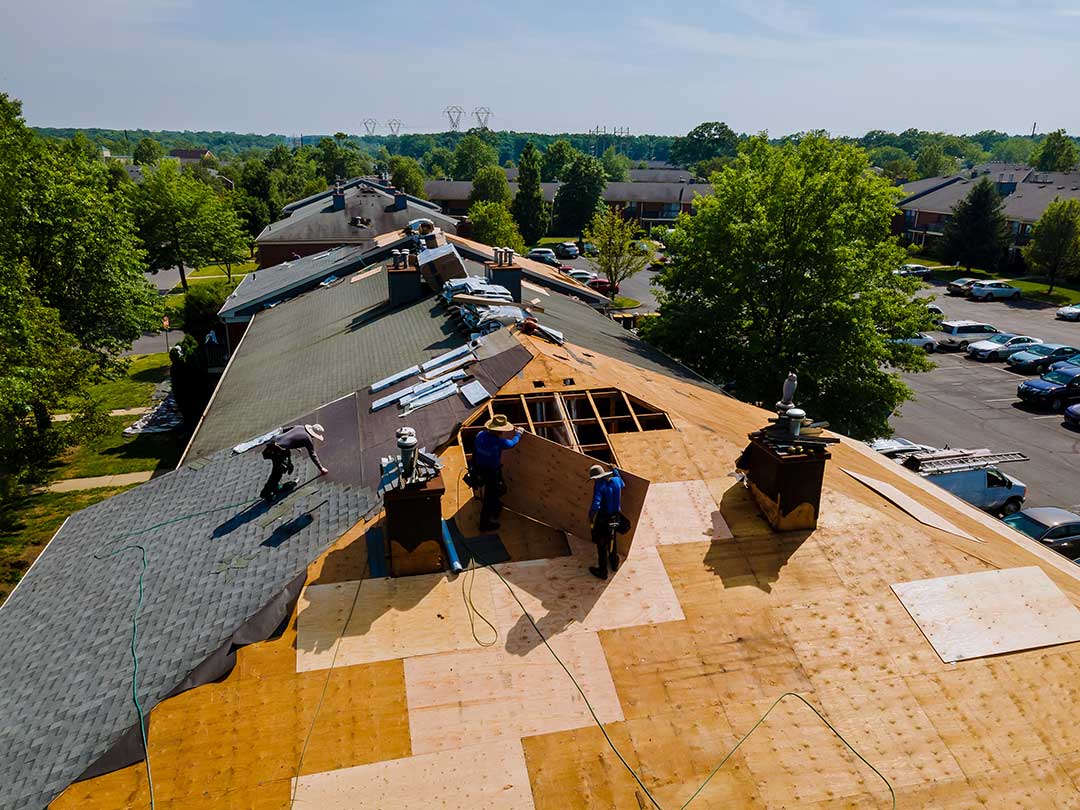
Chimneys require several layers of protection. Step flashing is placed along the sides where the chimney meets the roof, while a larger piece called counterflashing is usually built into or attached to the chimney masonry. A properly formed chimney cap also helps prevent water from entering from above.
Cracked mortar, loose metal, or improperly installed replacement roofing can all contribute to chimney leaks. Water may show up near the chimney even when the actual opening is higher on the roof slope.
Roof-to-wall intersections
Where a sloped roof meets a vertical wall, water can run behind siding or trim if flashing is missing, damaged, or covered incorrectly. Step flashing is typically installed in individual sections that overlap as the roof rises.
This area deserves careful attention on homes with dormers, attached porches, enclosed additions, or complex rooflines.
Valleys
A valley collects water from two roof slopes, making it one of the busiest drainage areas on the roof. Valley flashing may be exposed metal, a specialized membrane, or part of a woven or cut shingle installation.
Debris, ice, leaves, and poorly aligned roofing materials can restrict drainage. In snowy conditions, repeated freezing and thawing may worsen small gaps or loosen surrounding materials.
Plumbing vents and skylights
Pipes and skylights create openings through the roof surface. Each requires a properly fitted flashing assembly that seals around the penetration while allowing for normal movement.
Rubber components around plumbing vents can become brittle over time. Skylight flashing may fail because of age, installation problems, blocked drainage channels, or deterioration of nearby roofing.
What does damaged flashing look like?
Some flashing problems are visible from the ground, while others require a closer inspection. Possible warning signs include:
- Rusted, bent, loose, or missing metal
- Gaps between flashing and masonry
- Lifted shingles near chimneys or walls
- Cracked sealant used as a temporary patch
- Water stains on ceilings or upper walls
- Damp insulation or musty attic odors
- Peeling paint near roof intersections
- Rotting wood around roof edges or wall connections
- Repeated leaks after rain or snowmelt
Sealant can be useful in limited applications, but it is not a substitute for correctly layered flashing. A bead of caulk may slow water temporarily while the underlying defect remains.
Can roof flashing be repaired, or does it need to be replaced?
The answer depends on the type and extent of damage. A small issue, such as a loose fastener or a limited separation at a joint, may be repairable. Flashing that is heavily corroded, incorrectly installed, cracked, or hidden beneath deteriorated roofing may need replacement.
Replacement is more involved when flashing is integrated with shingles, siding, masonry, or underlayment. Removing only the visible section may leave older defective material underneath.
A sound repair should address the path water takes, not just the location where water becomes visible indoors. For example, sealing the ceiling stain does not correct a leak around an upper roof intersection.
How does winter weather affect flashing in Greene, NY?
Seasonal weather places repeated stress on roof flashing. Snow accumulation can keep roof surfaces wet for extended periods, while melting and refreezing can test seams, overlaps, and fasteners.
Ice dams may form when heat escapes into the attic and melts snow on the warmer upper roof surface. The water can refreeze near colder eaves and back up beneath shingles or flashing. Flashing does not cause ice dams, but weak or poorly integrated flashing may allow backed-up water to enter more easily.
Summer heat also matters. Metal expands and contracts, roofing materials move at different rates, and sealants can dry or crack with age. These seasonal changes are normal, but flashing must be installed with appropriate overlaps and movement allowances.
Is flashing the same as waterproofing?
No. Flashing is one part of a roof’s water-resistance system. It works together with shingles or other roof coverings, underlayment, ice-barrier materials, ventilation, gutters, siding details, and properly sealed penetrations.
Waterproofing generally refers to a broader effort to keep moisture out. Flashing is the shaped or layered material that manages water at specific vulnerable points.
A roof can have relatively new shingles and still leak if its flashing details are missing or poorly installed. Conversely, good flashing cannot compensate for widespread roof-covering deterioration.
What should homeowners check safely?
A homeowner can look for obvious concerns from the ground and from accessible interior spaces, but walking on a roof is hazardous and may damage roofing materials. Useful checks include:
- Looking at chimney and wall intersections from the ground with binoculars
- Checking attic areas for daylight, damp insulation, or staining
- Inspecting ceilings and upper walls after heavy rain
- Keeping gutters and downspouts clear so water does not back up near roof edges
- Watching for recurring leaks in the same area
- Recording when a leak appears, such as during wind-driven rain or snowmelt
Roof access may be unsafe because of steep slopes, wet surfaces, hidden weak decking, or icy conditions. Professional evaluation is warranted when water is entering the living space, masonry flashing is involved, structural damage is suspected, or temporary measures are not stopping the leak.
How long does roof flashing last?
Flashing life varies widely. Material quality, installation, roof design, exposure, nearby trees, moisture, and maintenance all affect performance. Copper and stainless steel may remain serviceable for many decades, while thinner or poorly protected materials can deteriorate sooner.
The surrounding roof may also determine when flashing must be addressed. Even durable flashing can be disturbed during roof replacement, siding work, chimney repairs, or additions.
The most reliable approach is to inspect flashing whenever the roof is evaluated, especially around penetrations, valleys, chimneys, and roof-to-wall transitions. A roof’s visible surface may look satisfactory while a hidden flashing detail is already allowing moisture into the structure.
