
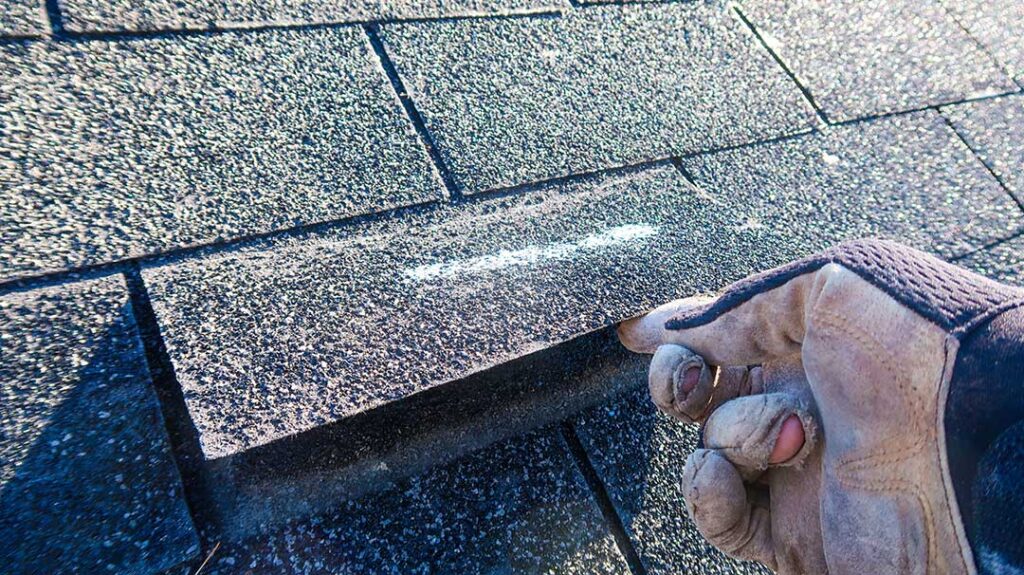
Why small roof problems deserve prompt attention
A roof rarely fails all at once. In many cases, damage begins with a loose shingle, cracked flashing, a lifted edge, or a small leak around a vent. If the problem is left untreated, water and seasonal weather can gradually affect materials that were not designed to stay wet.
For households in Greene, NY, roof maintenance can be especially important because roofs face repeated cycles of snow, ice, rain, wind, and temperature changes. These conditions can enlarge minor defects and make repairs more complicated than they would have been when the damage first appeared.
Neglect does not always mean ignoring a major leak. It can also mean postponing an inspection because the problem seems cosmetic, assuming a ceiling stain is old, or waiting until the next storm exposes a weakness.
What happens when a small roof leak is ignored?
A small leak can spread beyond the point where water first enters. Roofing materials may direct water sideways along roof decking, rafters, insulation, or interior framing before it becomes visible inside the home.
The first signs may include:
- Brown or yellow ceiling stains
- Peeling paint or bubbling drywall
- Damp insulation
- Musty odors
- Darkened wood in an attic
- Drips that appear only during heavy rain or melting snow
A roof may appear dry during an inspection from inside the living area while moisture is still entering near a chimney, plumbing vent, skylight, valley, or roof edge. Water can also remain hidden beneath underlayment or insulation.
Over time, continued moisture can weaken roof decking and framing. It may also create conditions for mold growth, particularly where air circulation is limited. The longer the source remains unresolved, the more difficult it can be to identify the original entry point.
Can delayed roof repairs cause structural damage?
Yes. Persistent moisture can damage the wood components that support the roof system. Roof decking may soften, sag, or lose its ability to hold fasteners securely. Rafters and trusses can also be affected if water reaches them repeatedly.
Structural damage does not always produce an immediate dramatic warning. Possible indicators include:
- A section of roof that appears uneven
- Sagging between rafters
- Doors or windows that begin sticking near a water-damaged area
- Cracked or separating interior finishes
- Visible wood decay in the attic
- Fasteners pulling loose from roof decking
Snow adds another concern because accumulated weight is carried by the roof structure. A roof already weakened by rot or long-term moisture may have less reserve capacity during a heavy winter storm. Ice buildup near eaves can also force water beneath shingles and into areas that normally remain protected.
If a roof is visibly sagging, a ceiling is bulging, or electrical fixtures have been affected by water, occupants should avoid the area and seek qualified assistance promptly. These conditions may present safety hazards beyond ordinary maintenance.
How can neglected repairs affect insulation and energy use?
Wet insulation performs poorly. Fiberglass, cellulose, and other insulation materials can lose effectiveness when damp, compressed, contaminated, or displaced by leaking water.
This may make upper rooms feel colder in winter and warmer in summer. It can also increase the workload on heating and cooling equipment. In a home with attic insulation, a leak may remain unnoticed until energy costs rise or indoor comfort changes.
Air leakage is another overlooked issue. Damaged roof penetrations, missing insulation, and openings around vents can allow conditioned air to escape. Moisture and air movement together can contribute to condensation on roof sheathing, especially when warm indoor air reaches a cold attic surface.
Repairing the visible roofing defect without checking nearby insulation and ventilation may leave part of the problem unresolved. Materials that have been wet for an extended period may need assessment for drying, cleaning, or replacement.
Why are roof edges, flashing, and gutters common trouble spots?
Many roof leaks begin at transitions rather than in the middle of a shingle field. Flashing protects areas where the roof meets a wall, chimney, vent, skylight, or another roof plane. If flashing is cracked, corroded, lifted, or improperly sealed, water can enter through a narrow opening.
Roof edges also face wind exposure. Shingles that are loose or missing near the eaves and rakes may allow rain to reach underlayment or decking. Once one section is lifted, nearby shingles may become more vulnerable during another storm.
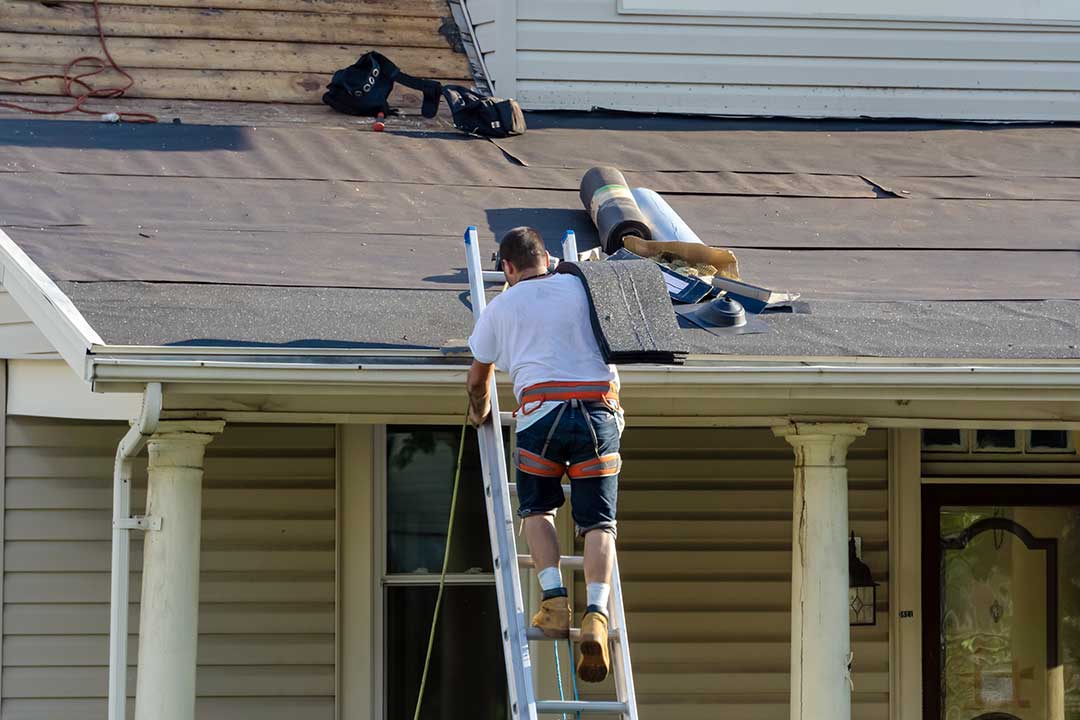
Gutters and downspouts can contribute to damage when they are clogged, detached, or poorly directed. Overflowing water may run behind gutters, soak fascia boards, or collect near the foundation. In colder weather, standing water can freeze and expand, placing additional stress on roof-edge materials.
A roof inspection should therefore look beyond missing shingles. Drainage paths, flashing, penetrations, roof edges, and attic conditions all help determine whether a repair addresses the actual source of risk.
What damage can winter weather cause if repairs are postponed?
Cold weather can turn existing defects into larger problems. Water entering a small crack may freeze and expand, widening the opening. Repeated freezing and thawing can loosen roofing materials, split sealants, and deteriorate masonry or flashing around roof penetrations.
Ice dams may form when heat escapes into a poorly insulated or unevenly ventilated attic and melts snow on the warmer sections of the roof. The water can refreeze near colder eaves, creating a barrier that redirects meltwater beneath shingles.
Not every roof experiences ice dams in the same way, but homes with uneven roof temperatures, inadequate attic insulation, or restricted ventilation may face greater exposure. Clearing snow from a roof can also be hazardous. Walking on a sloped, icy surface can result in serious injury, and improper removal can damage shingles.
Are roof repairs safe to postpone until spring?
That depends on the condition and location of the damage. A minor issue that is securely protected from weather may not require the same immediate response as an active leak, exposed underlayment, or loose material that could fall.
Repairs deserve prompt attention when there is:
- Active water entry
- Exposed wood or underlayment
- Missing or widely displaced shingles
- Damage around a chimney or vent
- A sagging roof surface
- Large sections affected by wind
- Water near electrical wiring or fixtures
Temporary measures may reduce additional exposure, but they should not be treated as a permanent repair. Covering a leak without correcting the underlying defect can trap moisture or shift water into another part of the roof system.
How can residents recognize roof problems early?
Regular visual checks from the ground can identify obvious changes without requiring anyone to climb onto the roof. After strong wind, heavy rain, or a major snow event, look for missing shingles, debris, exposed flashing, damaged gutters, and new stains in upper rooms.
An attic check can reveal problems before they reach finished ceilings. Look for damp insulation, daylight through the roof deck, water marks, rusted fasteners, mold-like discoloration, and unusual odors. These inspections should be performed only where the area can be accessed safely.
Documentation also helps. Photographs taken before and after severe weather can show whether a roof feature has changed. Tracking when stains appear—during wind-driven rain, snowmelt, or freeze-thaw conditions—may provide useful clues about the source.
Roof repairs are not only about preserving shingles. Timely attention helps protect structural wood, insulation, interior finishes, household belongings, and the people who live beneath the roof. In a climate with recurring winter stress and wet weather, recognizing early warning signs can prevent a limited repair from becoming a broader building problem.
