
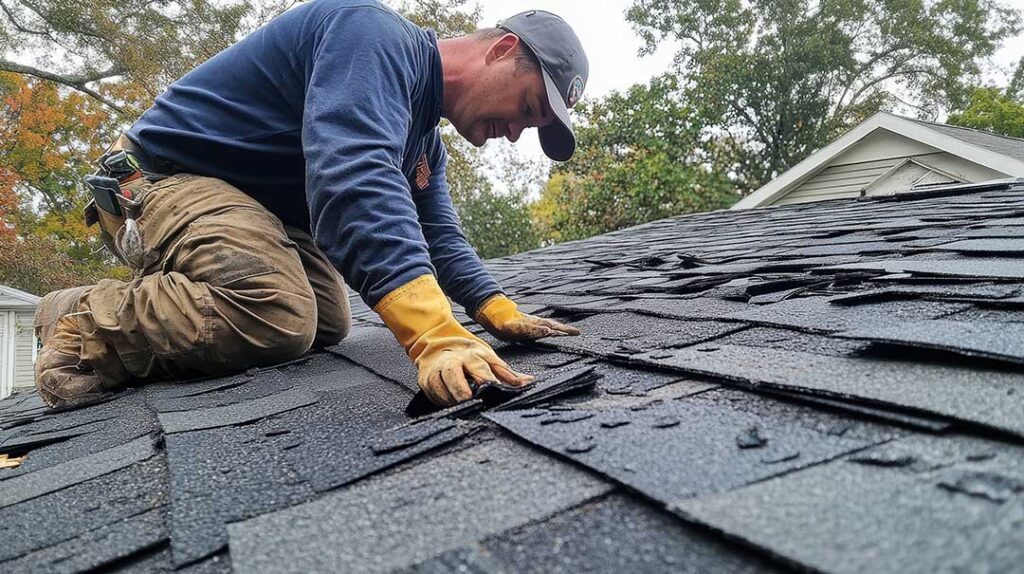
Roof damage does not stop during a pandemic, severe storm, supply shortage, or other emergency. For residents in Greene, NY, the safest response is to separate urgent damage from repairs that can wait, reduce exposure risks, and protect the building from additional water intrusion.
How can a homeowner tell whether roof damage is urgent?
A roof problem generally needs prompt attention when it allows water to enter, threatens structural components, or creates an immediate safety hazard. A small stain that appeared after heavy rain may not require the same response as an active leak near electrical wiring or a section of roof that has partially collapsed.
Urgent warning signs include:
- Water dripping through a ceiling or running down a wall
- A ceiling that is sagging, bubbling, or visibly discolored
- Missing shingles or exposed underlayment after high winds
- A damaged chimney flashing area allowing repeated leaks
- Tree limbs resting on the roof
- A roof section that appears depressed, separated, or unstable
- Water near light fixtures, outlets, appliances, or electrical panels
- Strong drafts or daylight visible through the attic or upper floors
If water is near electrical equipment, avoid touching wet switches, fixtures, or wiring. Keep people away from sagging ceilings and unstable roof areas. A bucket can catch limited drips, but it should not be placed beneath a ceiling that may collapse.
What should be done first during a crisis?
The first step is to limit danger and document the condition without climbing onto the roof. Roof inspections are especially risky during rain, snow, ice, high winds, or poor visibility.
From the ground, note:
- Where the damage appears to be located
- Whether water is still entering
- Whether shingles, metal panels, gutters, or flashing are displaced
- The date and weather conditions connected to the problem
- Any rooms, insulation, furniture, or equipment affected by water
Photographs taken from a safe location can help explain the situation later. Indoor photos should show both close details and the wider area around the damage. Written notes are useful if several days pass before a full repair can occur.
Temporary actions may include placing containers under active drips, moving belongings away from wet areas, and covering furniture with plastic sheeting. Avoid sealing a wet ceiling or wall with paint or other materials before the area has dried and been checked for hidden moisture.
Can roof repairs take place during a pandemic?
Many roof repairs can be completed with limited contact between occupants and workers, but the exact process depends on the nature of the emergency and the public-health conditions at the time. A repair involving outside roof access may require less indoor interaction than work that includes attic spaces, ceilings, or occupied rooms.
Before anyone enters the home, clarify basic procedures such as:
- Whether the inspection can begin from outside
- Which rooms, if any, must be accessed
- Whether occupants can remain in a separate area
- How doors, railings, and other shared surfaces will be handled
- Whether anyone in the household is ill, medically vulnerable, or isolating
- How photographs, measurements, and repair details will be exchanged
If someone in the household has symptoms of a contagious illness or is following isolation guidance, that information should be shared before an indoor visit. It may be possible to delay non-urgent work, use remote communication, or limit access to only the area necessary for preventing further damage.
Emergency conditions can change quickly. Public-health instructions, building access rules, and workplace safety procedures should be confirmed through current official guidance rather than relying on assumptions from an earlier stage of a crisis.
What repairs can usually wait?
Cosmetic problems and minor deterioration often can be postponed if the roof remains watertight and stable. Examples may include:
- A few worn shingles without active leakage
- Faded roofing materials
- Minor gutter appearance issues
- Small areas of moss or surface debris
- Non-structural trim damage that is not allowing water inside
Postponement does not mean ignoring the issue. Record the condition and monitor it after rain, snow, and freeze-thaw cycles. In Greene, seasonal weather can turn a small opening into a larger problem when moisture enters beneath roofing materials and repeatedly freezes and thaws.
A repair should receive more attention if the affected area is growing, a ceiling stain is spreading, insulation is wet, or the same leak returns after temporary measures.
How can a leak be controlled temporarily?
Temporary protection is intended to reduce additional damage until permanent work is possible. It is not a substitute for a proper roof repair.
Depending on the situation, temporary measures may include:
- Clearing water from floors and moving items away from the leak
- Placing a container beneath an active drip
- Covering vulnerable belongings with plastic
- Using a properly secured exterior covering only when it can be installed without climbing into danger
- Clearing leaves or small debris from ground-level drainage areas, if safe
- Keeping interior ventilation available so damp areas can begin drying
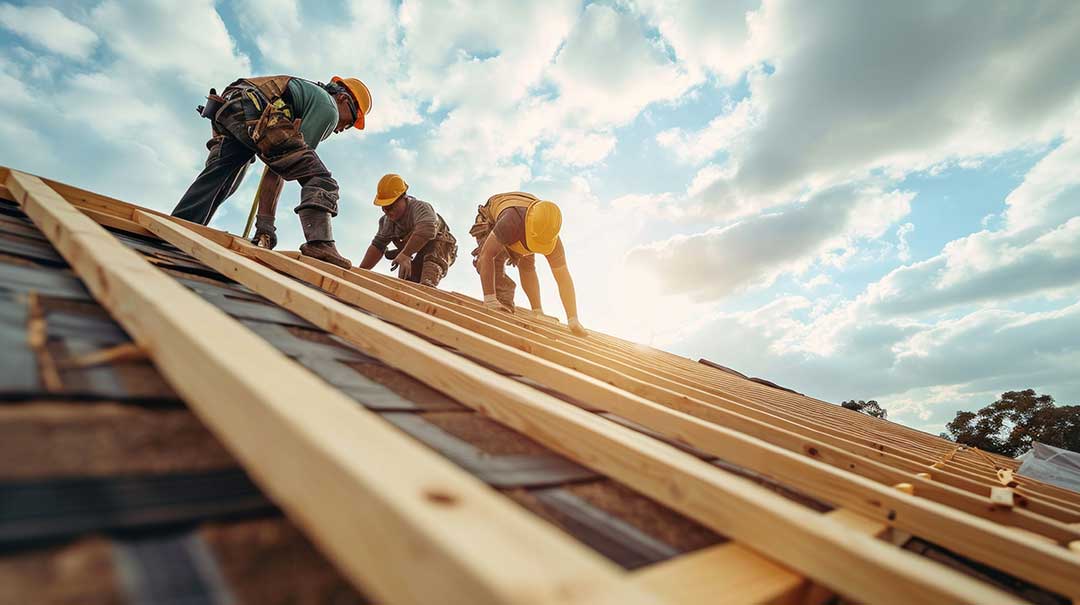
Do not walk on a wet, icy, steep, or visibly damaged roof. Do not use tarps, ladders, or makeshift supports during high winds. Improperly placed coverings can tear, collect water, damage shingles, or create a fall hazard.
How do supply shortages and restricted access affect repairs?
During a crisis, roofing materials may be delayed and repair schedules may change. A temporary repair may need to remain in place longer than expected, so it should be checked after major rainfall and strong wind.
Ask for clear written information about:
- What damage has been observed
- Which work is temporary and which is permanent
- What materials are unavailable or delayed
- How the building will be protected while waiting
- What signs would require faster action
- Whether the repair affects ventilation, flashing, gutters, or attic moisture control
A shortage of one roofing material does not automatically make every substitute appropriate. Roofing systems are designed as assemblies, and changes to underlayment, flashing, ventilation, fasteners, or shingles can affect performance and warranties. The condition of the existing roof should be considered before accepting a temporary substitute.
What should renters and landlords consider?
Renters should report active leaks in writing as soon as possible and keep copies of messages, photographs, and dates. If water reaches electrical fixtures, heating equipment, or areas that may be unsafe, occupants should explain the immediate hazard rather than reporting it only as a cosmetic stain.
Landlords or property managers should address conditions that threaten habitability, structural safety, or additional property damage. During a health crisis, communication should also cover entry procedures, household illness, protective measures, and whether the repair can be completed without entering occupied rooms.
Neither occupants nor property owners should assume that a visible ceiling stain is the entire problem. Moisture may be traveling along framing, insulation, or roof decking before becoming visible indoors.
How can homeowners prepare before another emergency?
A basic roof emergency plan reduces confusion when access, materials, or communication are limited. Keep a record of the roof’s approximate age, past repairs, leak locations, and any areas that have previously required temporary protection.
It is also useful to:
- Know where the main electrical shutoff is located
- Keep containers and plastic sheeting available for interior protection
- Store roof photographs taken from ground level
- Trim hazardous branches before storm season when permitted and safe
- Check attic areas for damp insulation, mold-like odors, or daylight
- Keep gutters and downspouts clear of leaves and seasonal debris
- Review insurance documents without assuming every type of damage is covered
The safest approach during a crisis is practical and measured: protect people first, stop additional water damage where possible, document the condition, and delay nonessential exposure until the situation allows. A roof that remains dry and stable can often wait; a roof allowing water into the building or showing structural instability should be treated as an urgent safety matter.
