
Does a new roof increase home value?
A new roof can improve a home’s value, but the financial effect is rarely equal to the full replacement cost. Its strongest benefit is often reducing buyer concern, preventing inspection problems, and making the property easier to evaluate.
For homeowners in Greene, NY, a roof replacement may be especially meaningful because local houses face changing weather throughout the year. Snow, ice, wind, summer heat, heavy rain, and repeated freeze-thaw cycles can gradually affect shingles, flashing, gutters, and roof decking.
A roof that is in good condition gives buyers greater confidence that the home will not require a major repair soon after closing. That confidence can support the asking price and reduce pressure for repair concessions.
How does roof condition affect a home appraisal?
An appraiser generally considers the roof as part of the home’s overall condition, remaining useful life, and market appeal. A newer roof may contribute to a favorable assessment when it is properly installed, visibly maintained, and consistent with the quality of the rest of the property.
A roof does not automatically add a fixed dollar amount to an appraisal. Value depends on factors such as:
- The roof’s age and expected remaining life
- The condition of shingles, metal, membrane, or other roofing materials
- Evidence of leaks, sagging, damaged decking, or poor ventilation
- The size and design of the roof
- Local buyer expectations
- The condition of comparable homes
- Whether permits or required records are available
An appraiser may treat a roof near the end of its service life as a liability even if it is not actively leaking. A roof with visible deterioration can suggest that other hidden maintenance issues may exist.
Why does a new roof matter during a home inspection?
A home inspection often gives buyers a detailed look at roof surfaces, attic conditions, drainage, flashing, and signs of moisture. Roof defects can become one of the most noticeable concerns in an inspection report.
A new or recently replaced roof may help avoid problems such as:
- Active leaks around chimneys, vents, skylights, or roof valleys
- Missing, lifted, cracked, or deteriorated shingles
- Water staining on attic framing or ceilings
- Soft or damaged roof decking
- Inadequate attic ventilation
- Overflowing or poorly directed roof drainage
- Snow and ice damage that has not been repaired
A roof can look attractive from the ground while still having hidden issues. For that reason, age and documentation can matter almost as much as appearance. Buyers may ask when the roof was installed, what materials were used, whether the decking was replaced, and whether related drainage or ventilation work was completed.
Does a new roof help a home sell faster?
A new roof can make a home more appealing, particularly when buyers are comparing properties with similar layouts and prices. Many buyers prefer a property with fewer immediate maintenance decisions, and a roof replacement is one of the more expensive projects a homeowner may face.
The effect on selling speed is not guaranteed. Location, price, floor plan, condition of the kitchen and bathrooms, taxes, lot characteristics, and overall maintenance may have a greater effect on buyer interest.
Still, a roof in good condition can reduce hesitation. A buyer who sees an older roof may mentally subtract the expected repair cost from the offer or request a credit. A newer roof may help preserve the property’s full market appeal by removing that concern.
Will the full cost of a roof replacement be recovered?
Usually, homeowners should not assume that every dollar spent on a new roof will return as an equal increase in sale price. The return depends on the roof’s condition before replacement and the expectations of the local market.
Replacing a severely damaged roof may protect value more than it creates additional value. In that situation, the work restores the home to a competitive condition rather than adding a luxury feature.
A basic, durable roof that matches neighboring homes may offer better value than an unusually expensive roof system that buyers do not expect or cannot easily recognize. The goal is generally a sound installation, appropriate materials, proper water management, and a finished appearance that fits the house.
Is repairing the roof better than replacing it?
The answer depends on the extent and pattern of the damage. Repairs may be reasonable when the problem is limited to a small area, isolated flashing, a damaged vent, or a few missing shingles.
Replacement becomes more likely when problems are widespread or the roof is near the end of its expected life. Warning signs include:
- Repeated leaks in different areas
- Extensive shingle loss or granule loss
- Widespread curling, cracking, or brittleness
- Sagging roof lines
- Damaged or rotted decking
- Persistent attic moisture
- Several layers of old roofing material
- Repairs that have become frequent or difficult to match
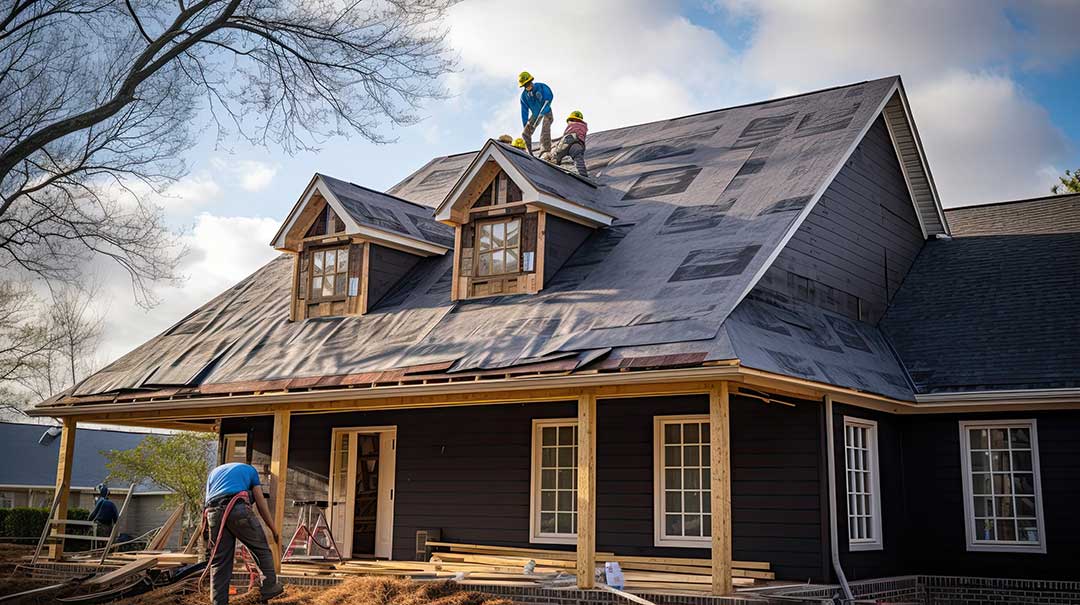
A patchwork roof can be less reassuring to buyers than an older but consistently maintained roof. If repairs are performed, records and clear explanations can help show that the work addressed a defined problem.
What roof features influence buyer perception?
Buyers often pay attention to more than the roof covering itself. Water must be directed away from the structure, and the attic must be able to manage heat and moisture.
Important related features include:
- Properly installed flashing around penetrations and roof-to-wall transitions
- Gutters and downspouts that move water away from the foundation
- Adequate attic ventilation and insulation
- Secure drip edges and roof edges
- Sound chimney, vent, and skylight details
- Clean, functional drainage paths
- No visible staining or moisture damage inside the attic
In a region with winter snow and freeze-thaw conditions, these details can affect long-term performance. Ice buildup, blocked drainage, and repeated expansion and contraction can expose weaknesses that may not be obvious during mild weather.
What documentation should a homeowner keep?
Roofing records can support a home’s value by making its history easier to verify. Useful documents include installation dates, material information, permits when applicable, inspection reports, repair invoices, and transferable product or workmanship documents when available.
Photographs taken during replacement can also be useful, especially if they show the condition of the decking, flashing, ventilation, and underlayment before the roof was covered.
Documentation does not guarantee a higher sale price, but it can reduce uncertainty. Buyers, inspectors, appraisers, insurers, and lenders may all have questions about the roof’s age and condition.
Can a new roof affect insurance or financing?
A roof’s condition may influence insurance availability, policy terms, or underwriting decisions, although requirements vary by insurer and property. Older roofing materials or visible damage can create additional questions during the purchase process.
Financing may also become more complicated if a roof is actively leaking, severely deteriorated, or considered near failure. A sound roof can help reduce the chance that roof repairs become a condition of the transaction.
Homeowners considering replacement before selling should compare the roof’s actual condition with the likely concerns raised by an inspection. Replacing a roof solely for appearance may not produce the same value benefit as correcting documented structural, moisture, or safety issues.
How should homeowners think about roof replacement and value?
A new roof is best viewed as both a home improvement and a form of risk reduction. It can protect the structure, improve buyer confidence, support a smoother inspection, and help the property compete with homes in similar condition.
The value effect is strongest when the previous roof was clearly worn, leaking, or difficult to insure. A well-documented, properly installed roof that fits the home and manages water effectively can make the property feel more dependable without overstating its market value.
For area households, regular observation after heavy rain, strong wind, and winter weather can help identify problems before they become larger structural or interior repairs. A roof that remains dry, properly drained, and well maintained is likely to support home value better than one replaced only after damage has spread.
