
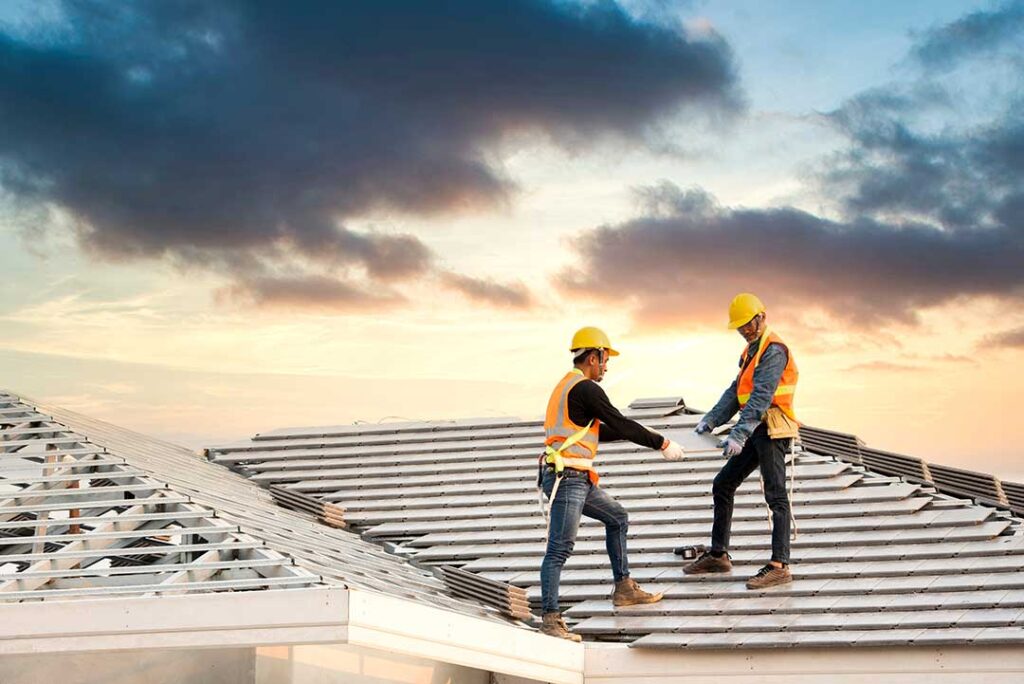
Roof decking is the structural layer beneath a roof’s underlayment and shingles. It creates a flat, continuous surface that supports the roofing system and helps transfer the weight of snow, ice, wind, and maintenance activity to the roof framing.
For homeowners in Greene, NY, understanding this hidden part of the roof can make roofing problems easier to recognize and help explain why some repairs involve more than replacing shingles.
What is roof decking?
Roof decking, also called roof sheathing, is the material fastened across the rafters or roof trusses. Shingles or other roofing materials are installed above it, while attic insulation and ventilation are generally found below it.
Common decking materials include:
- Plywood
- Oriented strand board, commonly called OSB
- Solid wood boards, especially in older homes
- Specialty structural panels used in particular roof designs
The decking is more than a surface for attaching shingles. It helps keep the roof plane stable, spreads loads between framing members, and provides a base for underlayment and roof coverings.
A roof can have attractive shingles on top and still have a decking problem underneath. Because the material is mostly hidden, damage may not become visible until the roof covering is removed or a weak area is discovered during an inspection.
How does roof decking support the rest of the roof?
A complete roofing system has several layers, and each performs a different job. The decking supports the underlayment, flashing, and outer roof covering. The underlayment provides an additional moisture barrier, while shingles or another roof covering protect the assembly from rain, snow, sunlight, and wind.
The decking also connects the roof covering to the structural frame. If the sheathing is sound and properly fastened, the roof surface remains relatively uniform. If it has softened, warped, or separated, the outer roofing materials may not lie flat or remain securely attached.
Roof decking is not the same as roof framing. Rafters and trusses create the primary structural shape of the roof. Decking spans across those members and distributes loads across them. Damage to either component can affect roof performance, but they are separate parts and require different evaluations.
What causes roof decking to deteriorate?
The most common cause is long-term moisture exposure. Water may enter through damaged shingles, failed flashing, roof penetrations, ice-related leakage, or poorly sealed transitions. A small leak can affect a limited area, but repeated wetting can lead to more extensive deterioration.
Other causes include:
- Condensation caused by inadequate attic ventilation or air leakage
- Persistent roof leaks around chimneys, vents, valleys, or skylights
- Snow and ice remaining on the roof for extended periods
- Improperly installed roofing materials
- Old fasteners that no longer hold securely
- Heavy organic debris that keeps the roof surface damp
- Structural movement or excessive loading
Seasonal changes can increase stress on roofing materials. In Greene, NY, freezing temperatures, winter precipitation, and repeated thawing can expose weak areas that may not be noticeable during dry weather. Moisture that enters a small opening can also freeze and expand, worsening gaps or cracks over time.
What does damaged roof decking look like?
Some signs can be seen from inside the attic or from the roof surface, but not every problem is visible without removing roofing materials.
Possible warning signs include:
- A soft or spongy area underfoot
- Roof sections that appear to sag or dip
- Stains, dark discoloration, or water marks on the attic side
- Mold-like growth or a persistent musty odor
- Rusted nails or fasteners
- Shingles that appear uneven or wavy
- Nails that pull out easily or fail to hold
- Ceiling stains that return after rain or snow
A ceiling stain does not always appear directly below the leak. Water can travel along rafters, insulation, or the underside of the decking before entering the living space. For that reason, the visible interior mark may be several feet from the actual entry point.
Does every roof leak require decking replacement?
No. A leak does not automatically mean that all roof decking must be replaced. If the sheathing remains firm, dry, and structurally sound after the source of the leak is corrected, it may not need to be removed.
Replacement is more likely when the decking is:
- Soft, swollen, or crumbly
- Delaminated, meaning its layers are separating
- Warped enough to prevent a flat roof surface
- Unable to hold roofing fasteners properly
- Showing extensive rot or long-term moisture damage
- Structurally compromised around a roof opening or edge
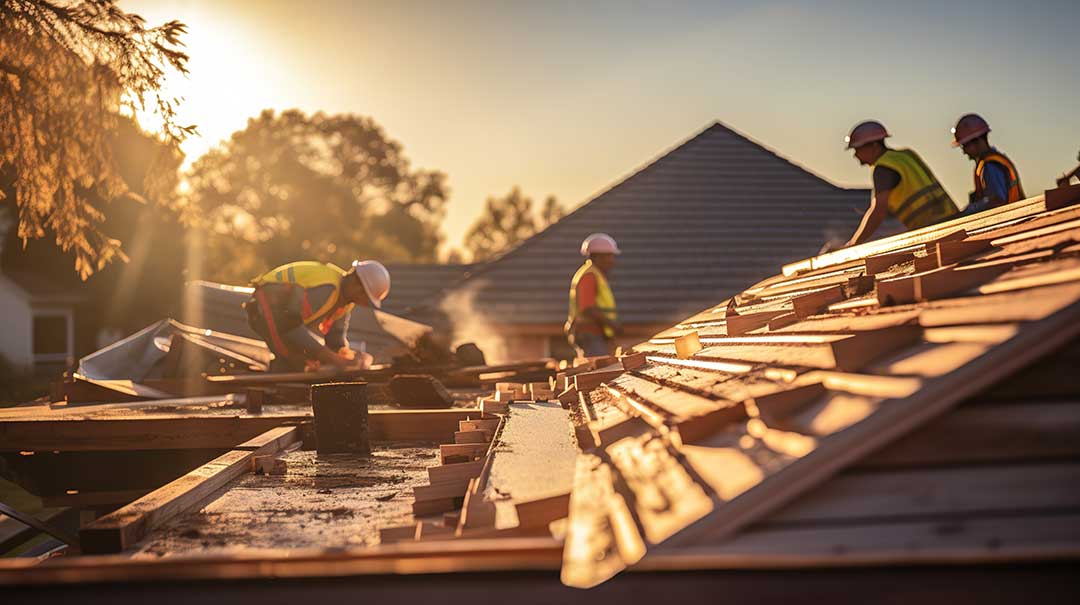
Localized damage may affect only a few panels or boards. More extensive deterioration can occur when a roof has leaked for a long time, especially around valleys, eaves, wall intersections, and penetrations.
How is roof decking inspected?
A basic inspection may begin in the attic, where the underside of the decking can be viewed for staining, daylight, sagging, or signs of condensation. The roof surface can also be examined for uneven areas, exposed fasteners, damaged flashing, and other clues.
A more complete evaluation often occurs when the outer roofing material is removed. At that stage, the decking can be checked directly for firmness, flatness, fastener holding strength, and moisture damage.
Moisture meters and probing tools may help identify questionable areas, but these tools do not replace sound judgment. A panel may look acceptable from below while being weakened near its upper surface. Conversely, an old stain may remain after the decking has dried and stabilized.
Can new shingles be installed over damaged decking?
Roofing materials should not be installed over decking that is too weak, wet, warped, or deteriorated to support them properly. New shingles depend on the decking for a stable base and secure fastening.
Covering damaged sheathing can create several problems:
- Shingles may not lie flat
- Nails may fail to hold
- Wind resistance may be reduced
- Moisture problems may remain hidden
- Uneven areas may shorten the life of the new roof
- Future repairs may become more difficult
Building requirements and accepted installation practices generally require roof sheathing to provide adequate support. Exact requirements can vary based on the roof design, material, and applicable code provisions, so concealed structural damage should not be ignored simply because the roof covering appears serviceable.
What happens when roof decking is replaced?
Damaged roofing materials above the affected area are removed first. The compromised plywood, OSB, or boards are then taken out, and the framing is checked for damage or movement.
Replacement decking should be properly sized, aligned, fastened, and installed with appropriate spacing where required by the material and roof design. The underlayment, flashing, and roof covering are then restored over the repaired surface.
The repair should also address the source of moisture. Replacing sheathing without correcting a leaking flashing detail, ventilation issue, or roof penetration may allow the same damage to return.
How can homeowners reduce decking problems?
Regular observation is useful even when no active leak is visible. After major storms or periods of heavy snow, look for missing roofing materials, damaged flashing, sagging areas, and interior stains. In the attic, check for damp insulation, daylight, frost, or unusual odors.
Keeping gutters and drainage paths clear can also reduce moisture exposure along roof edges. Interior humidity should be controlled, and attic air leaks around fixtures, ducts, and access openings should not be overlooked. Proper ventilation helps limit condensation, but ventilation alone cannot correct an active roof leak.
The most useful question during a roofing inspection is not simply whether the shingles look old. It is whether the complete roof assembly—including the decking beneath the visible surface—remains dry, flat, securely fastened, and structurally sound.
