
Why does attic insulation matter in Greene, NY?
Proper attic insulation helps a home stay warmer in winter, cooler in summer, and less vulnerable to moisture-related roof problems. It slows the movement of heat between the living space and the attic, reducing the amount of energy needed to maintain a comfortable indoor temperature.
The attic is one of the most influential areas of a house because heat naturally rises. During cold weather, warm indoor air can escape through the ceiling if insulation is thin, compressed, uneven, or interrupted. During warmer weather, heat absorbed by the roof can move downward into the rooms below.
For homes in Greene, NY, insulation is especially relevant because buildings must handle cold winters, temperature swings, wind, snow, and humid summer conditions. Older houses may have insulation that has settled over time or was installed before modern energy standards became common.
How does attic insulation improve comfort?
Attic insulation reduces uneven temperatures throughout the home. Without enough insulation, upper-floor rooms may feel much colder in winter and noticeably warmer in summer than rooms on lower levels.
A well-insulated attic can help:
- Keep ceilings and upper rooms closer to the desired indoor temperature
- Reduce drafts caused by air movement through ceiling openings
- Limit the formation of cold surfaces where condensation may occur
- Make heating and cooling more consistent from room to room
- Reduce the workload placed on a furnace or air-conditioning system
Insulation does not stop all heat movement. Instead, it slows that movement. The improvement depends on insulation depth, material, installation quality, air sealing, ventilation, windows, ductwork, and the overall condition of the building envelope.
What is the difference between insulation and air sealing?
Insulation slows heat transfer, while air sealing limits the movement of air. Both are necessary for an attic to perform properly.
Warm indoor air can pass through small openings around plumbing pipes, electrical wiring, ceiling fixtures, attic hatches, chimneys, and duct penetrations. That air carries moisture. If it reaches cold roof framing or the underside of the roof deck, the moisture can condense and contribute to damp insulation, wood deterioration, or mold growth.
Common areas that may need attention include:
- Gaps around attic access panels
- Openings around recessed lights or electrical boxes
- Plumbing and wiring penetrations
- The tops of interior partition walls
- Gaps around chimneys and flues
- Duct connections and mechanical penetrations
Air sealing materials must be appropriate for the location and the surrounding heat source. Openings near chimneys, flues, or other hot components require special care because ordinary sealants may not be suitable.
How much insulation should an attic have?
The appropriate amount depends on the insulation material, the construction of the home, and current energy standards. In general, attic insulation should form a continuous, evenly distributed layer without large bare areas, compressed sections, or visible gaps.
Depth alone does not tell the entire story. Different materials provide different resistance to heat flow, often described as R-value. Insulation that is deep in one location but thin near the eaves may leave important parts of the attic underprotected.
The insulation should also remain dry. Wet insulation generally performs poorly and may indicate a roof leak, plumbing leak, interior air leakage, or ventilation problem. Replacing insulation without addressing the moisture source can allow the same problem to return.
Does attic insulation affect roof ventilation?
Yes. Insulation and ventilation perform different jobs, and both need to be installed correctly.
Attic ventilation helps remove heat and moisture from the attic space. Insulation belongs at the boundary between the heated living area and the unconditioned attic. In many homes, ventilation depends on air entering near the eaves and leaving through higher areas of the roof.
Insulation should not block intended airflow channels near the eaves. If insulation is pushed into these areas, air may no longer move through the attic as designed. This can contribute to trapped moisture, uneven roof temperatures, and problems with winter snow and ice.
Ventilation does not replace insulation. A well-ventilated attic can still lose substantial heat if the ceiling insulation is inadequate. Likewise, thick insulation cannot correct blocked or poorly planned ventilation.
Can insulation help prevent ice dams?
It can reduce the conditions that contribute to ice dams, but it cannot guarantee that ice dams will never form.
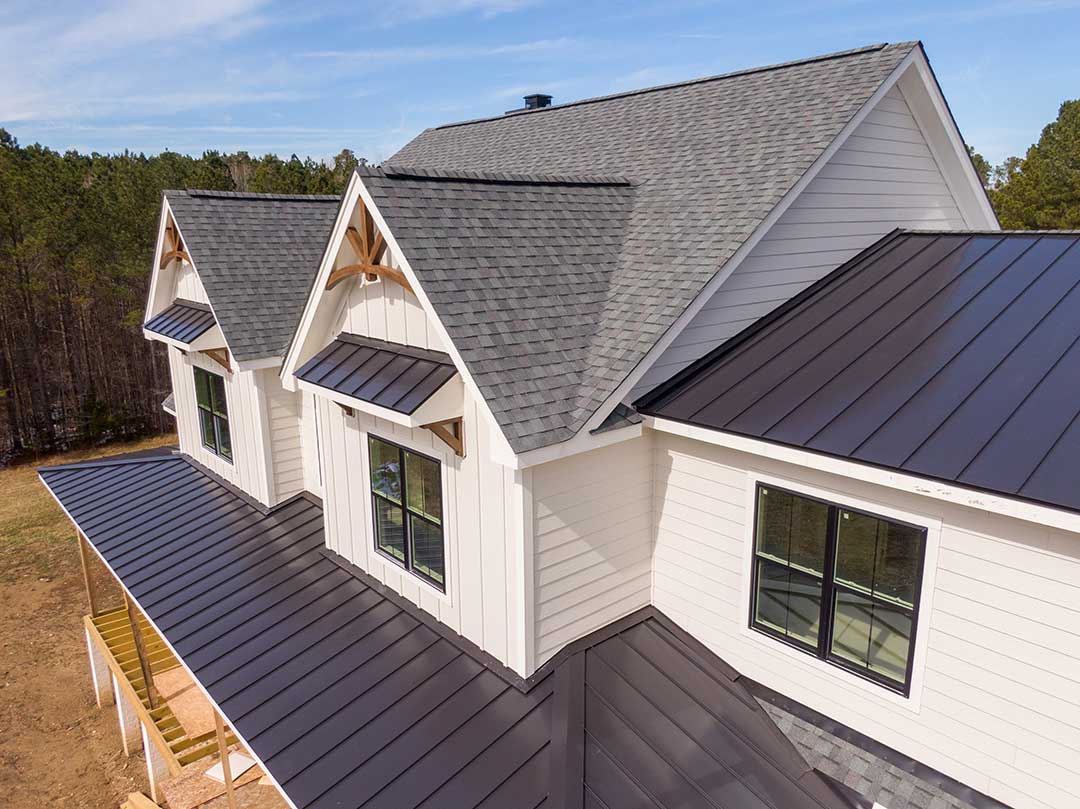
Ice dams develop when heat escaping from the living space warms portions of the roof while snow remains on colder roof edges. Meltwater can then refreeze near the eaves. More uniform roof temperatures, combined with adequate air sealing and ventilation, may reduce this uneven melting pattern.
Roof shape, snow depth, weather conditions, shading, gutters, and exterior drainage also affect ice dams. Removing snow from a roof can involve fall and structural hazards, so it should not be treated as a routine do-it-yourself task without appropriate equipment and knowledge.
What are signs that attic insulation may be inadequate?
Several clues can suggest that the attic needs closer inspection:
- Large temperature differences between floors
- High heating or cooling use without an obvious explanation
- Snow melting unevenly across the roof
- Frost or moisture on attic nails and roof framing
- Damp, compressed, or discolored insulation
- Drafts around attic access panels
- Cold ceilings or unusually hot upper rooms
- Icicles that form repeatedly in the same areas
- Visible gaps around wires, pipes, ducts, or wall tops
These signs do not always prove that insulation is the cause. Air leakage, roof leaks, duct problems, inadequate ventilation, and mechanical-system issues can create similar symptoms.
Should old attic insulation be removed?
Not always. Existing insulation may be left in place if it is dry, clean, evenly distributed, and free from contamination. Adding compatible insulation over a sound existing layer is often more practical than removing it.
Removal may be necessary when insulation has been affected by water, pests, mold, fire damage, or other contamination. Some older insulation materials may also require special handling. Disturbing unknown materials can release irritating fibers or dust, so caution is appropriate before moving or removing them.
The attic should be inspected for leaks and air leakage before new insulation is added. Otherwise, the new material may conceal problems rather than solve them.
What should homeowners check before improving insulation?
A basic attic review should include the roof deck, insulation, ventilation paths, electrical components, ductwork, and signs of moisture. Look for wet areas, staining, compressed sections, exposed ceiling surfaces, and gaps around penetrations.
Safety also matters. Attics may contain unstable flooring, exposed nails, low-clearance framing, wiring, sharp fasteners, and inadequate ventilation. Insulation near heat-producing equipment requires proper clearances, and some work may involve building-code requirements.
For residents managing an older home, keeping records of roof repairs, leaks, insulation work, and ventilation changes can make future maintenance easier. Attic insulation is most effective when treated as part of the entire roof and ceiling system rather than as an isolated layer of material.
