
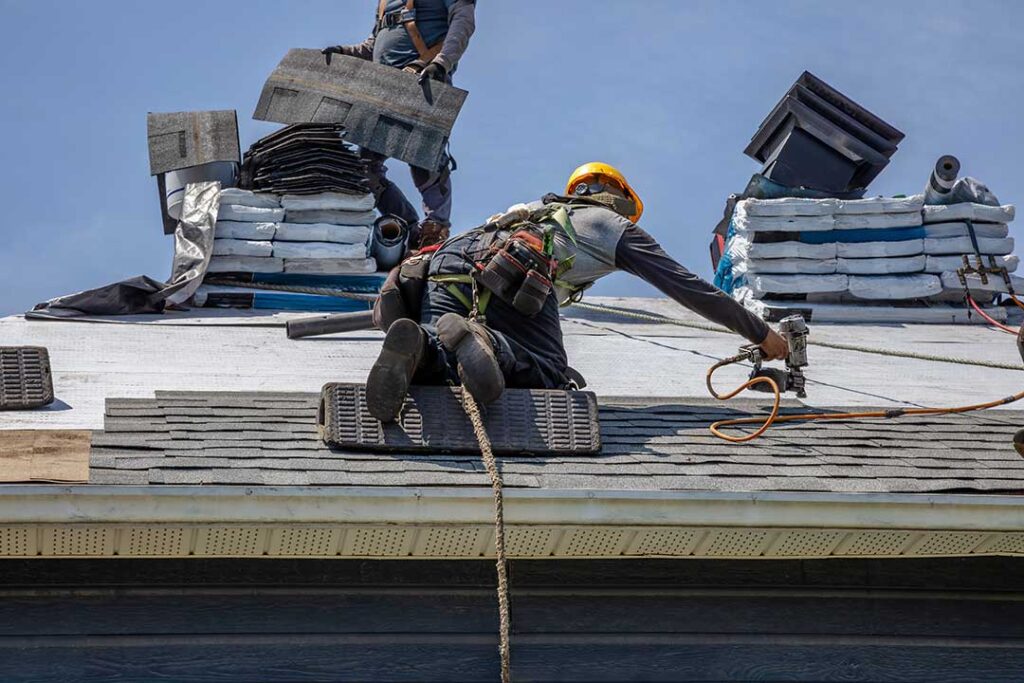
Why Weather Matters to a Roof
A roof in Greene, NY must handle repeated changes in temperature, moisture, wind, snow, and sunlight. These conditions do not usually damage roofing materials in a single day; instead, problems often develop through many small cycles of expansion, contraction, wetting, drying, freezing, and thawing.
The roof’s performance also depends on its design. Slope, drainage, ventilation, flashing, insulation, and the condition of nearby trees all affect how well it manages local weather.
How Winter Cold and Freezing Temperatures Affect Roofing
Cold weather can make some roofing materials less flexible and more vulnerable to cracking during handling or impact. The larger concern, however, is the repeated freeze-thaw cycle.
When water enters a small opening, seam, crack, or exposed edge, freezing temperatures can cause that water to expand. Over time, this may enlarge the opening and allow more moisture to enter. Masonry, flashing, sealants, and roof-adjacent materials can all be affected by this cycle.
Winter conditions may also produce:
- Brittle or cracked sealants around roof penetrations
- Loosened flashing near chimneys, vents, and wall intersections
- Ice forming around clogged gutters or poorly draining roof edges
- Interior stains that appear after snow begins to melt
A roof leak may not show up directly below the original entry point. Water can travel along decking, rafters, insulation, or interior framing before becoming visible inside the home.
What Snow and Ice Can Do to a Roof
Typical seasonal snow does not automatically mean a roof is unsafe. Roofs are designed with structural loads in mind, but the amount of stress depends on snow depth, snow density, roof shape, drainage, and whether older snow has hardened beneath a newer layer.
Wet snow weighs considerably more than loose, dry snow. Areas where snow collects repeatedly, such as lower roof sections, additions, valleys, and locations below a higher roof slope, may experience more concentrated loading.
Ice dams are another winter concern. They form when heat escapes into the roof space and melts snow on the warmer upper portion of the roof. The water then flows toward a colder eave, where it refreezes. As the ice grows, water may back up beneath roofing materials and enter the structure.
Proper attic insulation and ventilation can help reduce uneven roof temperatures. Keeping gutters and downspouts clear also supports drainage, although clean gutters alone cannot prevent every ice dam.
Snow or ice should not be removed by walking on a steep or slippery roof. Improvised tools can tear shingles, damage protective coatings, or create a fall hazard. Heavy accumulations, visible structural sagging, or unusual cracking sounds require immediate attention and may justify evaluation by a qualified roofing or building professional.
How Wind and Severe Storms Cause Damage
Strong wind can lift or loosen roofing materials, especially at exposed edges, ridges, eaves, and corners. Damage may begin with a single missing shingle or a lifted section that allows water to reach the underlayment and roof decking.
Wind-driven rain can enter through openings that might not leak during ordinary rainfall. It can also push moisture behind siding, trim, flashing, or roof-to-wall transitions.
After a major windstorm, useful observations from the ground include:
- Missing, curled, or displaced shingles
- Pieces of roofing material in the yard
- Bent or detached metal flashing
- Damaged vents or exposed fasteners
- Tree limbs resting on the roof
- New ceiling stains or damp attic insulation
A roof can suffer damage without obvious signs at ground level. For safety, roof inspections after severe weather should not involve climbing onto wet, icy, or visibly damaged surfaces.
How Rain Affects Roof Drainage
Rain itself is not usually harmful to a properly maintained roof. Problems occur when water cannot move off the roof efficiently or when the roof surface has openings that allow moisture into the structure.
Leaves, twigs, pine needles, and windblown debris can block gutters, downspouts, valleys, and roof drains. Water may then overflow against fascia boards, siding, foundation areas, or roof edges.
Low-slope sections deserve particular attention because they drain more slowly than steeper surfaces. Ponding water that remains for extended periods may accelerate deterioration of roofing membranes, seams, flashing, and roof decking.
Rain-related warning signs include:
- Water marks on ceilings or upper walls
- Peeling paint near exterior walls
- Damp insulation or musty attic odors
- Overflow marks below gutters
- Sagging areas along the roof edge
- Repeated leaks in the same interior location

A leak that stops after a storm still needs to be understood. Dry weather can hide the problem without correcting the damaged material.
What Summer Heat and Sunlight Do
Summer sunlight and heat affect roofs through ultraviolet exposure and thermal movement. Dark roofing surfaces can become much hotter than the surrounding air, especially during clear, sunny conditions.
Repeated heating and cooling cause materials to expand and contract. Over many seasons, this movement can contribute to:
- Shingle curling or surface wear
- Cracked or shrinking sealants
- Deteriorated rubber components around vents
- Separations at flashing joints
- Premature aging of exposed membranes
Attic temperature also matters. Poor ventilation can trap heat and moisture, increasing stress on roof materials and potentially affecting sheathing, insulation, and framing. Ventilation should work with adequate insulation; adding vents without addressing air leakage or insulation gaps may not solve the underlying problem.
Storm debris can make summer damage worse. Branches, hail, and falling objects may bruise or fracture roofing materials, even when the damage is not immediately visible.
Why Spring and Fall Are Useful Inspection Seasons
Spring and fall often reveal problems created during the previous season. Spring inspections may uncover winter damage, ice-related moisture entry, or gutter problems. Fall checks can identify loose materials, blocked drainage paths, and tree limbs that could become hazardous during wind or snow.
A practical seasonal review can include:
- Looking for missing, damaged, or unusually worn roofing materials
- Checking whether gutters and downspouts drain freely
- Examining flashing around vents, chimneys, skylights, and wall intersections
- Looking for moss or organic buildup that holds moisture
- Checking the attic for daylight, damp insulation, staining, or condensation
- Trimming branches that touch or overhang the roof, where permitted and safe
Roofing materials should not be cleaned with pressure washers or harsh methods that remove protective granules or damage the surface.
How Homeowners Can Distinguish Weather Damage from Normal Aging
Weather damage is often sudden or localized, while normal aging tends to appear as broader, gradual wear. A single missing shingle after a windstorm suggests a different problem than widespread granule loss, brittle surfaces, or general curling across a roof.
Some conditions overlap. Older materials are usually less able to withstand severe weather, and storm damage may expose weaknesses that already existed.
Photographs from the ground, dates of storms, interior leak records, and notes about when symptoms appeared can help clarify whether a problem is isolated or recurring. Safety should take priority over inspection effort, particularly during icy conditions, high winds, or after a tree impact.
Understanding how weather interacts with roofing materials makes it easier to notice early warning signs. In Greene, seasonal maintenance is less about reacting to one dramatic storm and more about managing the repeated effects of water, wind, snow, ice, heat, and changing temperatures.
